

Most of us wait until a warning light comes on before we think about what is going on under the hood. In a short maintenance checklist shared by @almanitechnical, the creator suggests a different approach: take a look at five small but important parts around the 25,000 mile mark, before little problems have a chance to grow into annoying ones.
The list is simple, and none of the items are exotic. They are the kind of parts that quietly do their job for years, which is exactly why they tend to be forgotten. Here is what the creator says to keep an eye on, and what can happen when each one is neglected.
1. The MAF sensor
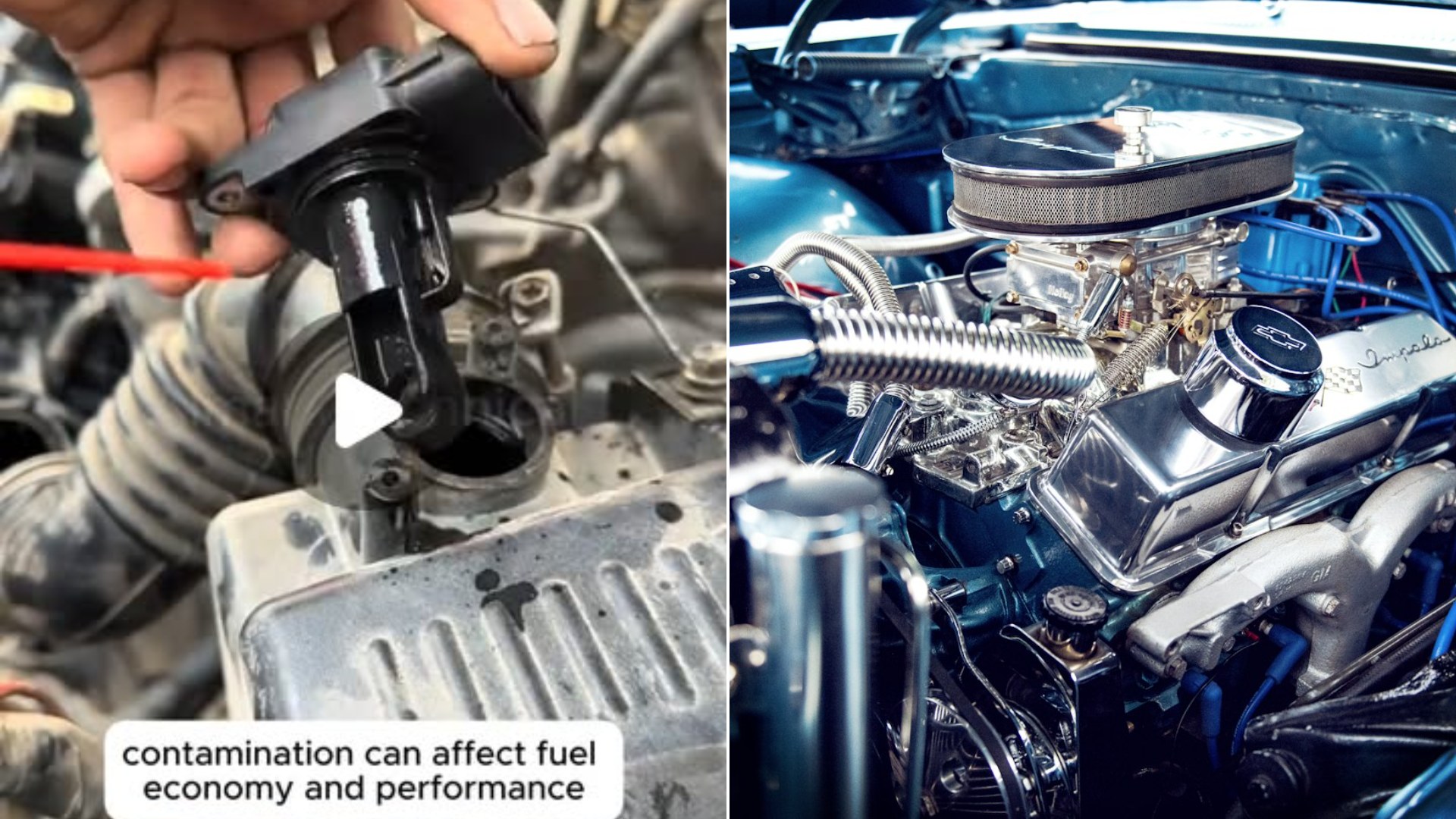
First on the list is the mass airflow sensor, often called the MAF sensor. According to the creator, contamination on this part can affect both fuel economy and performance. Many drivers have never heard of it, but it sits in the air intake path and helps the engine computer figure out how much air is coming in. When it gets dirty, that picture can get fuzzy, and the engine may not run as smoothly or as efficiently as it should.
2. The PCV valve
Second is the PCV valve, short for positive crankcase ventilation. The creator says a clogged one can lead to oil leaks, rough idling and oil consumption. In plain terms, this valve helps manage pressure and fumes inside the engine, and when it cannot do that properly, oil may end up where it should not be, or the engine may seem to be using more oil than expected.
3. The VVT solenoid
Third is the variable valve timing solenoid, usually shortened to VVT solenoid. The creator warns that sludge can cause a rattling sound and weak acceleration. Many modern engines use variable valve timing, and this small part helps control it. If the oil is dirty or has not been changed on schedule, sludge can build up, and a part like this is often one of the places where it shows.
4. The camshaft sensor
Fourth is the camshaft sensor. This one gets the most serious warning in the clip. The creator says a failing camshaft sensor can cause hard starts, misfires and stalling. Anyone who has had a car quit on them at a stoplight or refuse to start on a cold morning knows how stressful that can be, and the creator is making the point that a small sensor can be behind it.
5. The fuel injectors
Last on the list are the fuel injectors. Deposits, the creator says, can cause hesitation when you press the gas pedal. The suggested remedy in the clip is to use a suitable quality injector cleaner. The word suitable matters there, and we will come back to it below.
Why this list is worth a second look
Look at the symptoms the creator names across all five parts: reduced fuel economy, rough idling, oil use, rattling, weak acceleration, hard starts, misfires, hesitation and stalling. They are all things drivers often shrug off at first. A car that idles a little rough or hesitates when pulling away can feel like it is just showing its age, so people put up with it. The idea behind a mileage checkpoint is to catch these things early, when they are usually easier and cheaper to deal with.
It is also worth being honest about what a short video can and cannot tell you. The clip is a quick checklist, not a repair manual, and every vehicle is different. How soon a part needs attention can depend on the engine, how the car is driven, the fuel and oil used, and how regularly it has been serviced. Treat the list as a conversation starter for your next service visit rather than a rule that applies to every car at exactly 25,000 miles.
What to do with this information
- Start with the owner’s manual. The manufacturer’s maintenance schedule is the best guide for your specific vehicle. Some of these parts may be listed for inspection at certain intervals, and some may not be listed at all.
- Ask your shop about it. At your next oil change or service visit, you can ask whether these items are worth inspecting on your particular car and what the shop would recommend at your mileage. A good shop should be able to explain its reasoning in plain language.
- Pay attention to symptoms. If you notice a rough idle, a rattle, slow acceleration, or a car that is harder to start than it used to be, mention it. Describing when it happens, such as cold starts or low speeds, helps a technician narrow things down.
- Do not skip oil changes. Since the creator ties sludge to the VVT solenoid, it is a good reminder that regular oil changes using the oil your manual calls for are one of the simplest ways to protect an engine.
- Choose additives carefully. The creator recommends a suitable quality injector cleaner. Many manufacturers have their own guidance on fuel system products, so it is smart to check your manual or ask a professional before pouring anything into the tank.
- Keep records. A simple log of services, dates and mileage makes it much easier to see what has been done and what might be coming due.
The bottom line
The creator’s message is that small parts can cause big headaches when they are ignored. Whether you check these five items at 25,000 miles or follow the schedule in your owner’s manual, the common thread is paying attention before a minor issue becomes a roadside problem. You do not need to be a mechanic to ask good questions, and a few minutes spent on prevention can save a lot of frustration later.
More from Steel Horse Rides
- He Paid $748.63 For Three Hours Of Dealership Work That Mostly Tightened Bolts, Including $454.49 For A Loose Tail Light
- He Was Maybe 10 Years Old Sweeping The Shop When The Crew Sat Him In A Truck To Shift Gears For 10 Minutes, And He Accidentally Found The Problem
- His Dad Paid $500 For A Chevy That Sat In An Indiana Barn For 30 Years, Then Set It On Fire Trying To Add A Four Speed