

Mention a hybrid or an electric car at a family dinner and watch the table split. Somebody has heard the batteries die early. Somebody else is sure you have to plug the thing in every night. Another person swears they are all golf carts with fancy paint. A few of these beliefs were closer to true years ago. Others never were. If you are over sixty and have been dismissing these cars, or you are tempted to buy one because a neighbor raves about theirs, it pays to sort the myths from the facts before you spend a dime.
This is not a sales pitch for or against. A hybrid or an electric car is not right for everyone. The goal is simply to make sure the reason you say yes or no is a good one.
Myth: You Have To Plug In A Hybrid
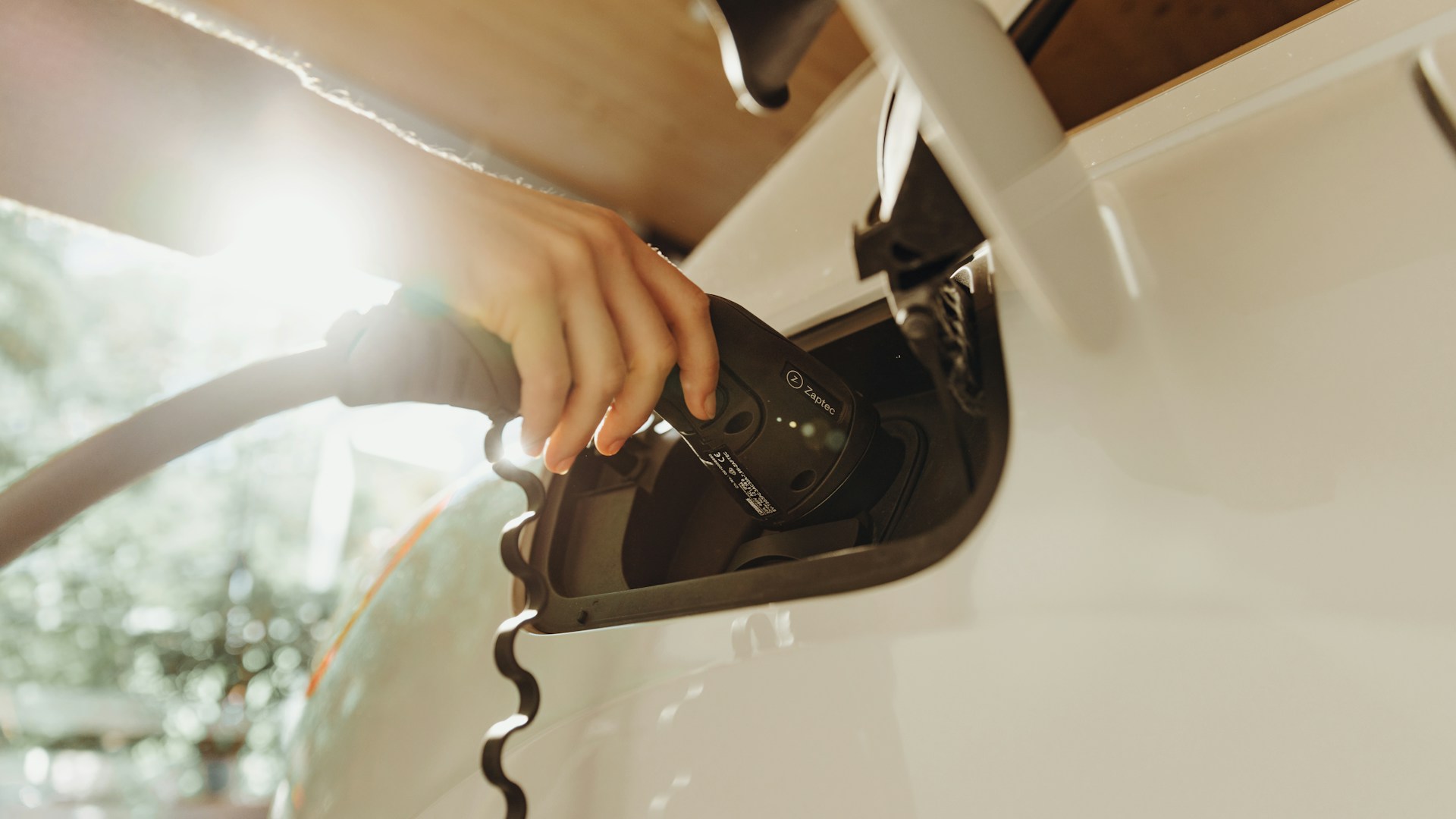
A regular hybrid never needs a plug. It carries a small battery that is charged by the gas engine and by capturing energy when you brake, which is known as regenerative braking. You fill it with gasoline like any other car, and the car manages the rest on its own.
The confusion comes from plug-in hybrids, which are a different kind of vehicle. These have a bigger battery that you can charge from an outlet for some electric driving, and they also run on gas when needed. If a car you are looking at is called a plug-in hybrid, plugging in is optional but is how you get the most from it. Ask the dealer which type you are looking at.
Myth: The Battery Will Die And Cost A Fortune
This is the fear that stops a lot of people. Batteries in hybrids and electric cars are built to last a long time, and manufacturers back them with warranties that are meant to give buyers peace of mind. The terms differ by maker, model and state, so read the battery warranty on any specific vehicle you consider, and ask what it covers and for how long.
Keep in mind that every car, gas or electric, also has an ordinary 12-volt battery for starting and accessories, and that one can fail like it can in any vehicle. A hybrid is not immune to a dead battery on a cold morning.
Myth: Hybrids Are Slow And Boring
Electric motors deliver their pulling power right away, and that gives many hybrids and electric cars a quick, smooth feel when you press the pedal, especially around town. They are also very quiet. Some people love that, and some find it strange at first. Do a test drive and decide for yourself instead of relying on what you heard at the barbershop.
Myth: Electric Cars Cost A Fortune To Maintain
The truth leans the other way for some things. An electric car has no engine oil to change, and it has fewer moving parts in the drivetrain than a gas car. Hybrids and electric cars also use regenerative braking, which can reduce wear on the brake pads.
That does not mean zero maintenance. Tires, brakes, suspension, cabin air filters, wiper blades, coolant and the rest still need attention, and tires can wear faster on some heavy electric vehicles. Repairs after a crash can also be pricey, so it is smart to talk with your insurance agent before you buy. Get a quote for the exact vehicle first.
Myth: Cold Weather Makes Them Useless
Cold weather does affect electric cars. Batteries do not like extreme cold, and running the heater uses energy, so you can expect less range in winter than in summer. That is a real thing, and it matters if you live somewhere with hard winters or you take long trips.
Useful, though, does not mean useless. Many owners precondition the car, warming the cabin while it is still plugged in, so they do not drain the battery on the road. A hybrid keeps its gas engine, so cold weather mainly means somewhat lower fuel savings, not a stranded driver.
Myth: Charging Is Impossible Unless You Live In A City
Most electric car owners do the bulk of their charging at home, overnight, when the car is parked anyway. A standard household outlet will charge an electric car very slowly, and many owners install a faster home charger, which usually means hiring an electrician. If you live in an apartment or rent, or do not have a place to plug in, charging becomes a bigger hurdle, and that alone can decide whether an electric car makes sense for you.
Road trips take more planning than with gas, because you need to know where the chargers are along the way and how fast they charge. Apps and the car’s own navigation can help. If you take long drives often, think hard about how that fits your habits.
What Is Often Left Out: It Depends
Hybrids tend to save the most fuel in stop-and-go driving, where the electric motor does a lot of the work. On steady highway cruising, the gap with a regular car can be smaller. Electric cars can lower your fuel costs, but how much depends on what you pay for electricity, how far you drive, and what the vehicle costs to begin with. If you tow a trailer, remember that many electric cars are not built for heavy towing, and pulling a load reduces range.
Tax credits and other incentives change from time to time, and what you qualify for can depend on the vehicle and your own situation. Check current information from official sources before you count on any savings. The federal government’s fueleconomy.gov site is a good place to compare vehicles and look into current details.
Before You Say Yes Or No
- Think about how many miles you drive and where. Short, local trips favor hybrids and electric cars more than long highway hauls do.
- Check whether you have a place to charge at home if you are considering an electric car or a plug-in hybrid.
- Read the battery warranty and ask the dealer to explain it in plain words.
- Get an insurance quote for the exact vehicle before you buy.
- Take a long test drive, on roads you actually use.
- Read the owner’s manual for anything you are unsure about, including car washes, towing and winter driving.
The bottom line is that old stories about these cars deserve a fresh look, but so do the stories told by the folks who love them. Neither side has the whole picture. Run the numbers for your own driving, and let the facts, not the dinner table, make the call.
More Stories You May Like
- Toyota V6 Twin Turbo Problems and a New Recall Have a Mechanic Warning Owners About What to Watch For
- Car Buying Expert Lists The Sleazy Dealership Tricks That Take Advantage Of Shoppers From Add Ons On The Final Paperwork To Forcing You Into Their Financing
- Detailer Shares How a One Man Team Can Finish a Full Car Interior in Just Two Hours, and Step One Happens Before the Vacuum Ever Comes Out