

Brakes rarely fail without warning. They usually whisper first, then talk, then shout, and the trick is to listen while they are still whispering.
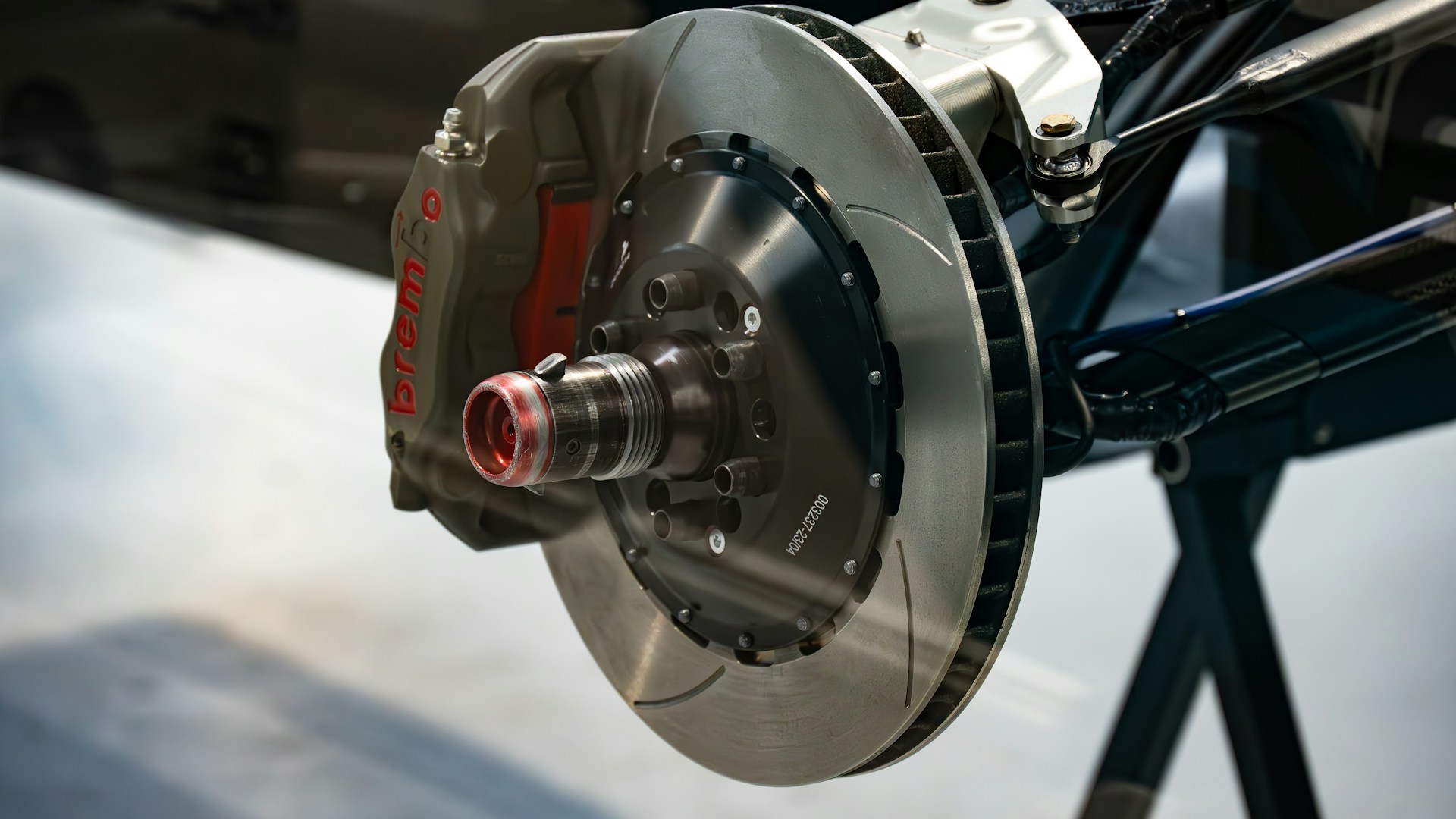
AAA’s guide “5 Ways To Know You May Need Brake Repair” goes through the signs a car gives when its brakes need attention. Taken together, it works as a checklist for any driver who wants to stay ahead of a costly repair.
Here are 10 brake warning signs you should never ignore, based on AAA’s guide.
A High-Pitched Or Grinding Noise
AAA says a wear indicator touching the rotor means very little pad thickness is left. Left alone, it can damage other parts.
That squeal is the pads begging for attention. Do not wait for the grinding.
A Vibrating Brake Pedal
According to AAA, pedal vibration usually indicates warped rotors. An inspection will determine whether they need resurfacing or replacement.
If you feel a pulse through your foot every time you stop, book that inspection.
A Low Or Spongy Pedal
AAA says a low or spongy pedal that takes more effort can signal a brake system problem that should be diagnosed promptly.
The pedal should feel the same every day. A change in feel is the car telling you something.
A Parking Brake With Little Resistance
AAA notes that a parking brake with little resistance may need adjustment or repair. It recommends applying it before exiting the vehicle, whether the car is automatic or manual.
Using it regularly keeps you aware of how it feels.
Pads Or Rotors That Look Worn
AAA says you can check the pads between the wheel spokes. Pads under about a quarter inch likely need replacing, and cracks or grooves in the rotor are also a warning.
A flashlight and a quiet minute in the driveway will do it.
A Longer Stopping Distance
AAA says longer stopping distance can result from worn pads, low pad-to-rotor friction, leaking fluid or mechanical issues.
If you find yourself braking earlier than you used to, that is not just old age or caution. It deserves a check.
Veering To One Side When You Brake
According to AAA, a car that veers to one side suggests uneven lining wear, typically from a caliper issue that needs adjustment.
Pay attention to how the steering wheel behaves during a gentle stop on a straight road.
Fluid Puddles Under The Car
AAA describes brake fluid as clear-yellow and oily. Leaks may come from brake lines, the master cylinder or a caliper.
A dark or oily spot on the garage floor near a wheel is worth a closer look.
A Burning Smell
AAA says a burning smell may indicate overheating, a fluid leak or brake dust buildup. Do not shrug it off, especially after a long downhill stretch.
Pull over safely and let things cool if you notice it while driving.
An ABS Warning Light
AAA says an ABS warning light, usually yellow, means you should get the system inspected as soon as possible. ABS keeps wheels from locking during hard stops.
The light is there for a reason, so do not treat it like a harmless decoration on the dash.
AAA says brakes typically need replacing about every 30,000 miles, although hard braking and stop-and-go traffic shorten pad life. It suggests having them checked at each tire rotation, usually every other oil change.
The guide puts the cost of pads and rotors at $250 to $500 per axle, or $500 to $1,000 for the whole car. It warns that driving on worn brakes can damage the whole braking system, leading to costlier repairs, and can also wear tire tread.
AAA advises taking the car to a trusted mechanic, such as an AAA Approved facility, as soon as any sign appears.
Brake work is one place where waiting costs money. A set of worn pads is a relatively simple fix, but a ruined rotor or caliper adds to the bill quickly.
Keep a short note in the glove box with the date of your last brake inspection and the mileage at that time. It gives you something to compare against at the next visit.
If you drive with a spouse or a friend, ask them to listen for sounds you may have grown used to. A fresh pair of ears often catches a squeal long before the driver does.
Lastly, do not be shy about asking questions at the shop. A good mechanic will show you the worn pad or scored rotor and explain what needs replacing and why.
Many drivers put off a brake check because the car still stops. But stopping is only part of the story, and the quality of the stop matters just as much as whether it happens.
Think of it like a dentist visit. A small problem found early is cheap, and a big one found late is not.
Share this list with the people in your household who drive. Everyone who rides in your car depends on those pads, rotors and fluid lines doing their jobs every time you press the pedal.
When in doubt, have a professional take a look. A short inspection can give you peace of mind or catch a problem while it is still small.
More Stories You May Like
- Spongy Brake Pedals, Pulling To One Side And Steering Shimmy Are Suspension And Brake Warning Signs That Are Cheap To Fix Early And Very Costly To Ignore
- Pouring The Wrong Coolant Into Your Engine Or Ignoring An Overheating Gauge Can Turn A Small Fix Into A Bill That Runs Into The Thousands, So Know The Warning Signs
- Rotten Metal Around the Brake Servo Turned a Jaguar Restoration Into a Big Disaster of Drilled Out Spot Welds and Hand Made Panels