

The temperature needle on your dashboard sits quietly in the middle almost all the time, so it is easy to forget it is there. That is a shame, because it is one of the most important gauges in the car. When it starts to climb, you may have only a short window to save your engine. And the way many engines get into trouble in the first place is surprisingly ordinary: someone poured the wrong coolant into the system, or ignored an overheating warning and kept driving.
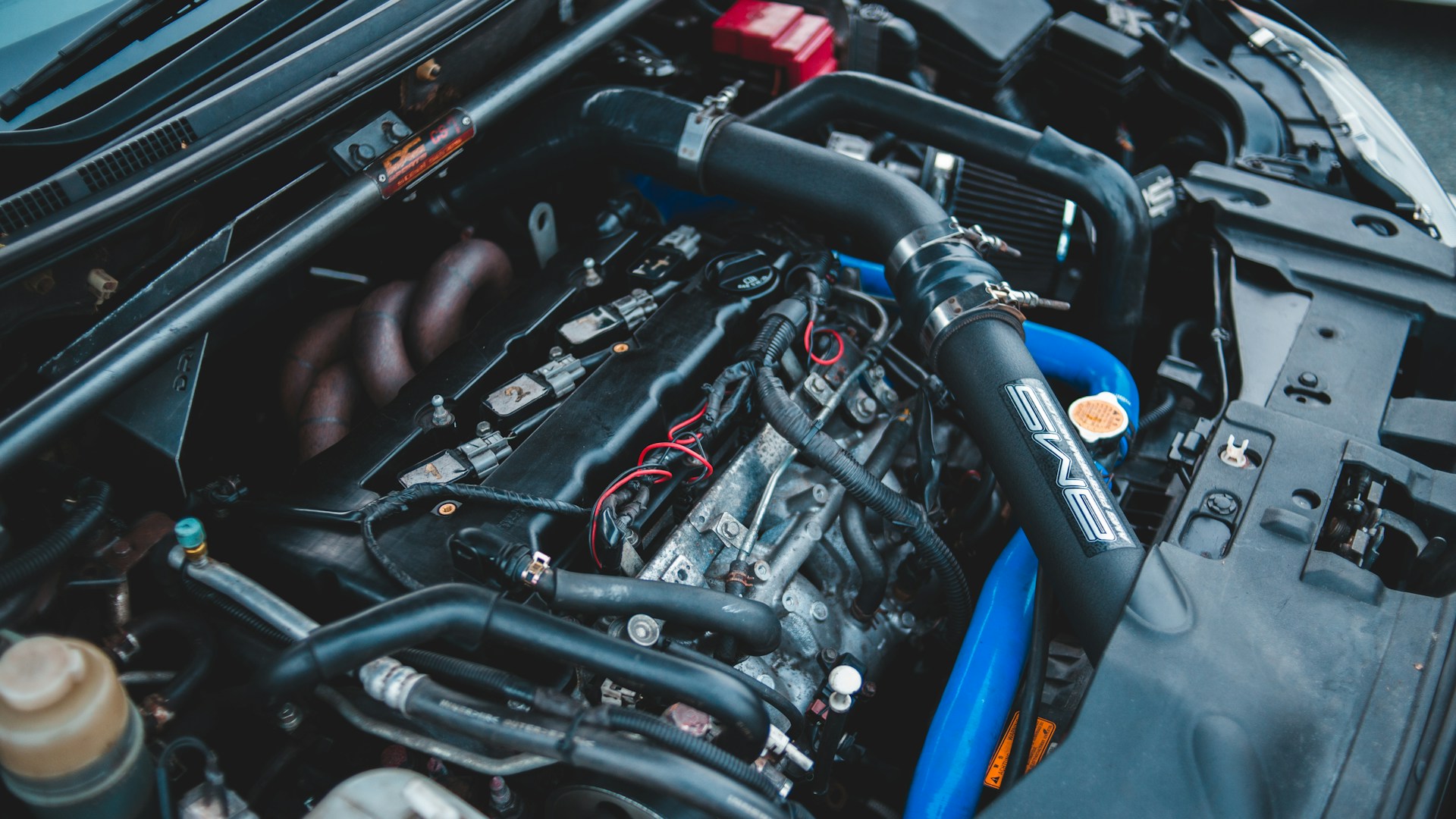
Both mistakes can turn a small fix into a bill that runs into the thousands. Here is how to avoid them.
What Coolant Does
Coolant, often called antifreeze, circulates through the engine and radiator to carry heat away. It also keeps the liquid from freezing in cold weather, raises the temperature at which it boils, and contains additives that protect metal parts from rust and corrosion. It is not just colored water, and the engine depends on it far more than most drivers realize.
Why The Wrong Coolant Is A Problem
Not all coolants are the same. Over the years, manufacturers have used different chemical formulas with different additive packages, and different engines are designed around different types. Pouring in the wrong kind can cause trouble. In some cases, incompatible coolants can react with one another, forming sludge or gel that clogs narrow passages in the radiator and heater core. Others may simply not protect the particular metals and gaskets in your engine the way the right one does, which can lead to corrosion and leaks over time.
Here is the catch: color is not a reliable guide. Coolants come in many shades, and the colors are not standardized across brands. A bottle that looks like the stuff already in your car may be a different formula. The only trustworthy source is the owner’s manual, which names the type of coolant your vehicle requires. Many bottles also list the vehicle makes they are made for, and a dealer parts counter can confirm the right one.
A few more habits help:
- Do not mix different types unless the label clearly says it is compatible with what is in your system.
- If you buy concentrated coolant, mix it with distilled water in the ratio the label calls for. Tap water can leave mineral deposits. Many people simply buy the premixed kind for topping off.
- Never use plain water as a long-term fix. It does not protect against freezing, boiling or rust.
- If the level keeps dropping, there is a leak somewhere, and adding more coolant over and over is not a repair.
Warning Signs Of Trouble
Engines usually send signals before they overheat for real. Learn to notice them:
- The temperature gauge reading higher than normal, or a warning light on the dashboard.
- Steam or a sweet smell coming from under the hood. Coolant has a recognizable sweet odor when it leaks.
- Puddles under the car, often bright or colorful, after it has been parked.
- A heater that blows cold air when the engine should be warm, which can mean low coolant.
- The coolant reservoir sitting empty, or a low-coolant warning.
- Strange noises, a loss of power, or a rough-running engine.
What To Do If The Gauge Climbs
If the needle moves toward hot, act right away. Do not try to make it to the next exit if you can safely stop sooner.
- Turn off the air conditioning. It adds load to the engine.
- Turn the heater on high with the fan blowing. It feels miserable, but it pulls some heat out of the engine and into the cabin.
- Find a safe place to pull over as soon as you can, and shut the engine off.
- Let the engine cool completely before you touch anything. Never open the radiator cap or the coolant reservoir cap on a hot engine. The system is under pressure, and scalding liquid and steam can shoot out and cause serious burns.
- Once it has cooled, check the coolant level and look for obvious leaks. If it is low, you can add the correct coolant, or water in an emergency, to get to a shop, but have the system checked right away.
- If the engine overheats again or you see steam, call for a tow.
Driving on an overheating engine, even for a short distance, is the move that turns a modest repair into a disaster. Extreme heat can warp metal parts, damage the cylinder head, and blow the head gasket. In the worst cases it can ruin the engine altogether. A hose, a thermostat, a water pump or a radiator is a far cheaper problem than a damaged engine, and it is the one you usually have if you stop in time.
Prevention Is The Cheap Route
The best protection is routine care. Check the coolant level when the engine is cold, look over the hoses for cracks or bulges, and watch for leaks. Follow the service schedule in your owner’s manual for coolant changes, because the additives wear out over time even when the level looks fine. Have the system inspected before summer heat or long trips, and before towing, when the engine works harder.
For more general vehicle safety guidance, the National Highway Traffic Safety Administration has resources at nhtsa.gov.
The takeaway is simple. Use the coolant your manual specifies, keep the level where it belongs, and treat the temperature gauge as a gauge that matters. Stopping early costs a tow and a repair. Pushing on can cost an engine. Always check your owner’s manual for the details that apply to your vehicle.
More Stories You May Like
- Five Things Your Car Salesman Should Never Know About You Before the Negotiation Even Starts
- Toyota V6 Twin Turbo Problems and a New Recall Have a Mechanic Warning Owners About What to Watch For
- DIY Mechanic Compares Engine Oil Prices And Finds The Same Bottle At Home Depot Costs Thirteen Dollars Less Than At The Auto Parts Store Across The Parking Lot