

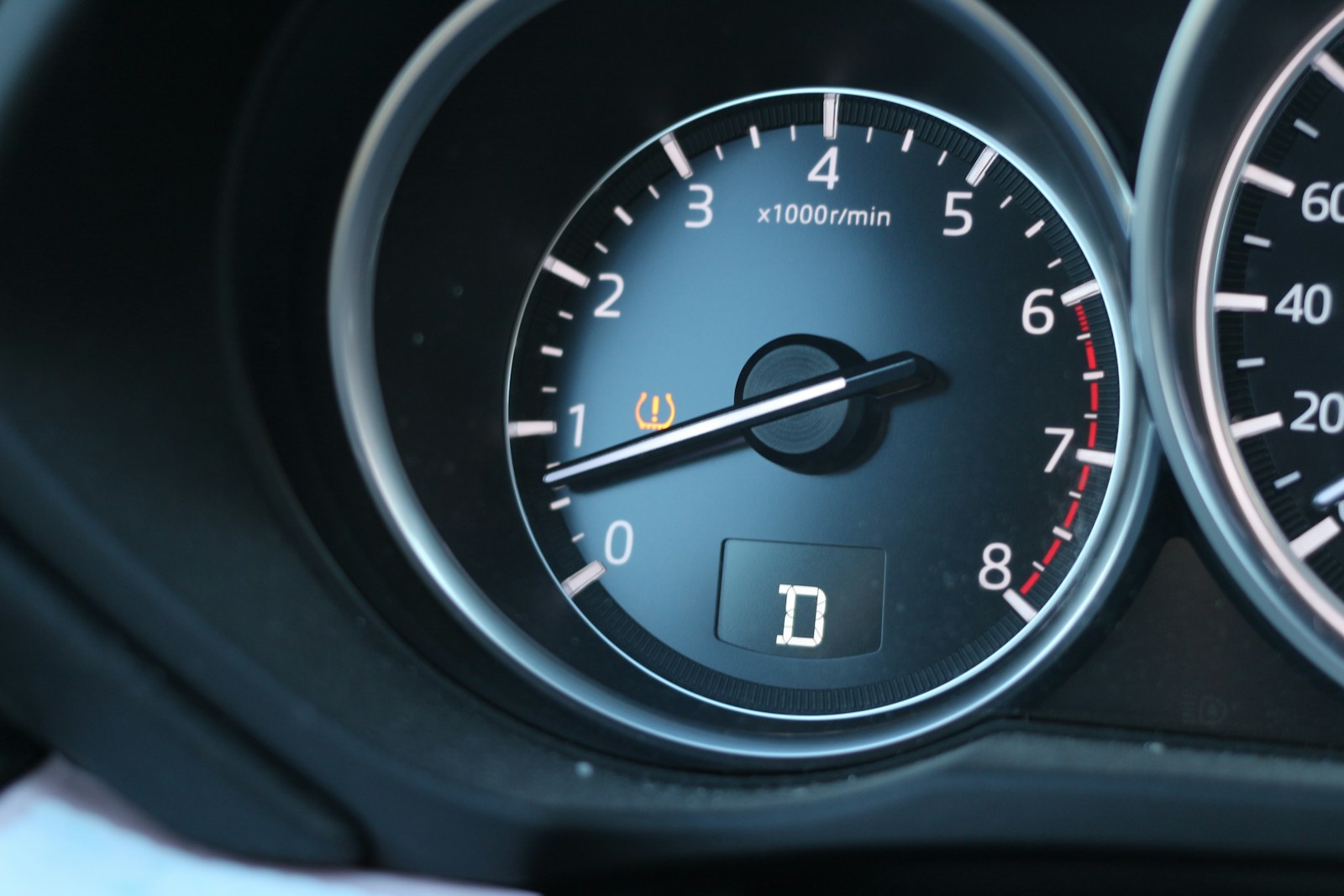
That little yellow tire symbol on your dashboard is supposed to be your early warning. A test by AAA suggests it may be later than you think, and in one vehicle, it never showed up at all.
AAA tested 11 vehicles, models from 2022 to 2024, all equipped with direct tire pressure monitoring systems. The results were released on October 23, 2023, and they are described in the AAA newsroom. It is a few years old now, but the lesson holds up well, and it is worth knowing about.
What the test found
In 5 of the 11 vehicles, the warning light came on when the tire pressure had dropped to 75 percent of the posted pressure. Posted pressure is the number the manufacturer recommends for your vehicle. So a tire that should have 35 pounds of air would have to fall by a quarter before the light came on.
In 5 of the other 6 vehicles, the light came on somewhere between 70.3 percent and 72.9 percent of posted pressure. That means the tire was even lower before the system spoke up.
Then there was the last vehicle. It did not light up even when a tire was down to 65 percent of posted pressure. That is more than a third of the air gone, and the dashboard stayed dark.
Why a late warning matters
A tire that is running low on air wears unevenly, heats up more and uses more fuel. It can also handle differently when you turn or brake. A tire that is far below its recommended pressure is the kind of thing that can lead to a blowout, especially on a hot day or a long highway trip. By the time the dashboard light finally comes on, you may already have been driving on a soft tire for a while.
The light is a safety net, not a substitute for paying attention. Think of it like a smoke alarm. It is a good thing to have, but you would still want to avoid leaving the stove on.
The simple fix: use a gauge once a month
The takeaway is not to ignore the light. When it comes on, take it seriously and check your tires. The takeaway is to stop relying on the light alone. A tire pressure gauge costs very little, fits in your glove box and takes only a minute or two to use.
Here is a simple routine:
- Find the recommended pressure. It is printed on a sticker on the driver’s door jamb, and it is also listed in your owner’s manual. Do not use the number molded into the tire’s sidewall, since that is the tire’s maximum, not what your vehicle needs.
- Check the tires when they are cold. That means before you drive, or after the vehicle has been parked for a few hours. Driving warms the air inside and gives a higher reading.
- Press the gauge firmly onto each valve stem and read the number. Compare it to the recommended pressure.
- Add air if it is low. Most gas stations have an air pump, and many tire shops will help you for free or very little.
- Do not forget the spare, if your vehicle has one. A flat spare is no help when you need it.
Make it a habit. Pick the first Saturday of the month, or tie it to something you already do, like refilling the gas tank or paying a bill.
Other signs your tires need attention
- The vehicle pulls to one side or feels sluggish in turns.
- One tire looks lower than the others when you walk around the car.
- You notice a steady drop in your fuel mileage.
- You see uneven wear on the tread, with one edge more worn than the other.
A note about changing weather
Air pressure in tires changes when the temperature changes. Many drivers notice the warning light comes on during the first cold snap of the season. This is a common experience, and it is a good reminder to check your tires whenever the weather shifts a lot. Do not just add a puff of air and forget it. Measure first, then adjust.
The bottom line
In the AAA test, no vehicle warned the driver before the tires had lost a quarter of their recommended pressure, and one stayed silent even when the loss was greater than a third. Keep that in mind the next time you walk past your car. A gauge, a couple of minutes a month and the number on your door jamb will do more for your safety than waiting for a light to tell you something is wrong.
Keep a gauge where you can find it
The best gauge is the one you actually use. Keep it in the glove box or the door pocket, not in the garage where you will forget it. A simple pencil-style gauge works fine, and so does a digital one with an easy-to-read screen, which many people find friendlier for older eyes. If you would rather not do it yourself, ask a tire shop to check the pressure next time you stop in. Either way, a regular check beats waiting for a warning that may come late.
More Stories You May Like
- Detailer Breaks Down the Exact Order the Pros Use to Wash a Car on a BMW M4 and Says You Should Always Start With the Wheels First Every Time
- True Barn Find 1967 Corvette L71 427 Is Found in Georgia with Only Three Thousand Miles on It
- Classic Car Hunter Chases Down a Rare 1969 Mustang 428 Super Cobra Jet With a $50,000 Asking Price, Then Sees What Kind of Shape It Is Really In