

Walking into a motorcycle dealership can feel like sitting down at a card game where the other side has already peeked at your hand. One rider on the YouTube channel Mike Ball says that is exactly how it works, and then tells the story of the day the tables were turned on a Harley-Davidson dealership in Woodstock.
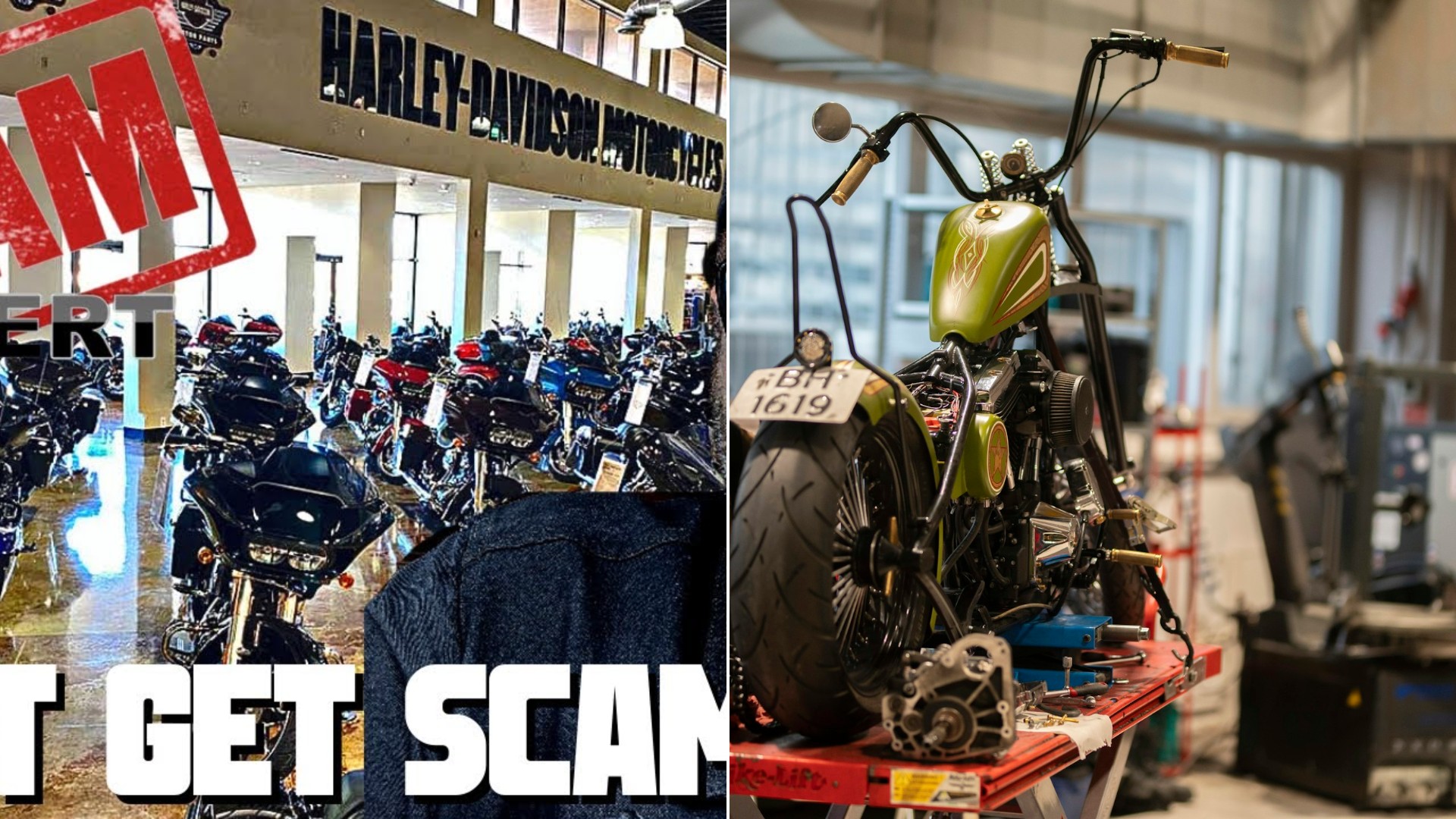
The rider had been hunting for one very specific bike spotted online: a 1998 Harley Classic with an Evo engine and only about 12,000 miles on the odometer. Low miles sound like a dream, but the rider read them differently. A bike with that few miles had clearly sat for a long time, and a bike that sits usually needs something, whether it is gaskets, the charging system or something else. The rider walked in expecting trouble and ready to use it.
The salesman was all giggly enthusiasm about how great the bike was. The rider asked for a test ride, and that is where the sales pitch started to look shaky. The bike showed the effects of sitting contaminated for so long, the rider’s suspicion was confirmed on the spot, and it clearly needed to be cleaned out or rebuilt before it could be trusted.
Haggling Down to $6,000
That mattered when the numbers came out. The dealership wanted about nine thousand dollars for the bike, and the rider was not about to pay that for a 1998 model, no matter how pretty it looked. The rider also made clear there was a limit on the monthly payment. What followed, in the rider’s words, was a word soup, with the salesperson dancing around the numbers every which way to land a sale.
In the end the two sides settled at $6,000 for the bike. Then came the part the rider saw coming, a $1,500 setup fee tacked on at the end. The rider says they had already guessed it would happen, and they sat there signing paperwork with a plan already in mind.
Turning a $1,500 Prep Fee Into Real Work
The rider, who has owned dozens of Harleys over the years, knew how this game is played. The dealer would not budge on the prep fee, since the dealership said it had already taken a big loss on the price. So the rider used the fee instead of fighting it. If the dealership was charging $1,500 to get the bike ready, then the bike had better actually be ready. The deal became: fine, I will buy it, but you rebuild the carburetor.
The dealership agreed to rebuild the carburetor. Then the charging system came up, and the dealership agreed to replace the entire charging system. Then the rider mentioned that the radio was original to 1998 and said, playing dumb on purpose, that they were not sure they wanted to keep it. The dealership offered to throw in a new Rockford Fosgate radio, which the rider values at about a thousand dollars.
By the rider’s count, that added up to roughly $2,500 in work and parts, paid for by the very fee the dealership had added. The rider says the salesman held his head in his hands, as if to say the dealership had just been outplayed. The lesson, according to the rider: go in educated, and know what you are getting into.
The Tricks the Rider Warns About
The rider says this was one of several things dealerships try, and lists the main ones.
- Finding your hot buttons. If you want a certain price for your trade-in, the dealer may give it to you and quietly raise the price of the bike you are buying.
- Focusing on the monthly payment. The rider says it is easy to hit any payment you ask for by stretching the loan, and that some financing lets buyers go as long as 84 months, which means extra interest.
- The “will you buy today” question. If you say you want a bike at $350 a month, expect to be asked whether you will sign today if they can hit that number.
- The phone quote that disappears. A dealer offers an attractive trade-in price over the phone, then does not honor it once the bike is inspected in person. The goal, the rider says, is simply to get you into the showroom.
- The prep fee. It becomes a problem when it is marked up well beyond the cost of the work. The rider offers an example: at $595 per new bike, a big dealer selling 225 bikes in a month would collect $133,875 in prep fees alone. And if the fee is rolled into a loan, $595 at 7% over 48 months costs about $14 a month.
The rider adds that the low-ball on a trade-in is its own trick. Dealers are trying to make a profit, and that is fair, but it does not mean you should settle for a bad offer.
How to Protect Yourself
You do not have to be a veteran of dozens of Harleys to use the same ideas. Here is a simple game plan.
- Ride the bike before you talk price. The rider says one of the biggest mistakes buyers make is negotiating before they have ridden it. A test ride can reveal problems the salesperson never mentions.
- Negotiate the total, not the payment. Ask for the full out-the-door price in writing, including every fee, before you discuss financing.
- Ask what the prep fee actually covers. If it is supposed to pay for getting the bike ready, you are entitled to ask for that work to be done, or to ask for the fee to be lowered.
- Shop your trade-in around. Visit more than one dealership and try selling it online yourself so you know what it is truly worth.
- Watch the loan length. A lower payment stretched over more months usually costs more in the long run.
- Be ready to walk away. A bike that has been sitting for a long time may need real work, so factor that into what you are willing to pay.
Dealers have to make a profit, and the rider says that is fair. But the story shows that a buyer who has done the homework, knows the bike and keeps a cool head can turn a dealer’s own add-on fee into a carburetor rebuild, a new charging system and a brand new radio.
More Stories You May Like
- Classic Car Hunter Chases Down a Rare 1969 Mustang 428 Super Cobra Jet With a $50,000 Asking Price, Then Sees What Kind of Shape It Is Really In
- Dealership Mechanics Reveal the Car Brands They Would Never Park in Their Own Driveway in 2026, and Chevy, Hyundai and Jeep All Get Called Out
- Mechanic’s Dad Crunched Two Years Of Repair Orders And Names The Five Most Expensive Vehicles To Fix Led By Jaguar At More Than Fifteen Hundred Dollars A Visit