

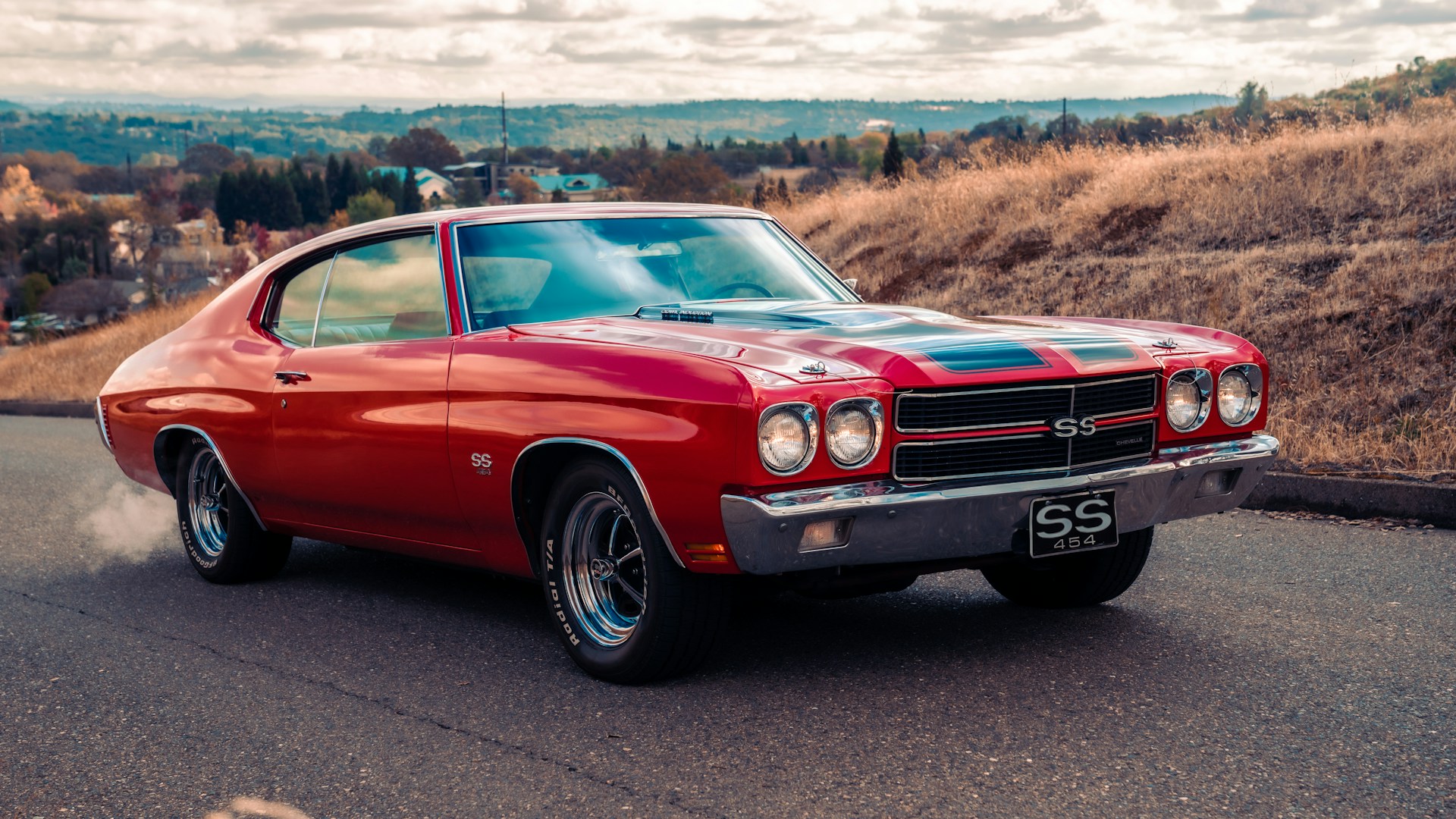
That gleaming 1969 muscle car at the end of the driveway has you hooked before you even shake the seller’s hand. The paint shines, the stance is right, and the rumble when it fires up is the sound of your teenage years. This is exactly the moment when a lot of buyers stop thinking and start reaching for their wallets, and it is exactly the moment to slow down.
Cars from the 1960s and 1970s are now decades old. Paint can hide a lot, and a fresh coat of shine is the cheapest thing in the world to apply. The parts that decide whether a car is a treasure or a money pit are the ones you cannot admire from across the lot: the frame, the identification numbers and the paperwork. Here is how to check all three before you pay.
Start Underneath With The Frame
Bring a good flashlight and be ready to get a little dirty. Many cars of this era were built either with a full frame or with a unibody structure and small subframes, and either way rust and old crash damage can quietly eat the strength of the car. Look along the frame rails and the areas where the suspension mounts to the body. Surface rust on a heavy part is one thing. Flaking, bubbling, soft or patched metal is another.
Check the floor pans, the trunk floor, the rocker panels below the doors and the area around the rear wheel wells. These spots trap water and tend to rot first. If the underside has been freshly sprayed with thick black coating, ask why. Sometimes it is simply good care. Sometimes it is covering welded repairs or rust that was never properly fixed.
Walk around the car and look for uneven gaps between the doors, hood, fenders and trunk. Run your eyes down the body panels in good light and look for ripples, overspray on rubber trim, or paint that does not match from one panel to the next. These are common signs of past bodywork, and bodywork is not always a dealbreaker, but you deserve to know about it and to price the car accordingly.
Read The Numbers Like A Detective
Every car has a vehicle identification number, and on cars from this period it is usually found on a plate you can see through the windshield on the driver’s side of the dash, and often on a tag in the door jamb as well. Here is the catch: the standardized format used on modern cars did not begin until 1981, so older cars carry numbers that differ by manufacturer and by year. That means you cannot simply punch it into a free decoder and trust the result. Look for a reference guide specific to that make and model year, or ask a marque club or a knowledgeable appraiser for help.
Check that the number on the dash matches the number on the title and any other tags. Look at the plate itself. Are the rivets original looking, or do they look tampered with? Are the stamped characters crisp and even? A mismatched, scratched or re-riveted plate is a serious warning sign, and you should walk away until it is explained with proof.
You will also hear the phrase “matching numbers,” which generally means the major original parts, such as the engine and transmission, are the ones the car left the factory with. That can add real value and real bragging rights, but only if it can be shown. Be careful with sellers who say a car is a rare, top-trim model. Many ordinary cars have been dressed up with badges and stripes to look like something more special. Documentation is what separates the real thing from a tribute.
Paperwork Is Part Of The Car
A clean, clear title in the seller’s name is the starting line. Make sure the name on the title is the person selling the car. Be wary of anything described as “title in the mail,” “lost title,” or a title that has been signed over several times without ever being registered. Rules about titles differ from state to state, so check with your state motor vehicle agency before you hand over any money.
Beyond the title, good paperwork can include an original window sticker, a build sheet or factory invoice, past registrations, repair receipts and photos taken during a restoration. These are the receipts of a car’s life. A seller who has kept them is usually a seller who cared. A seller who has nothing at all is not necessarily hiding something, but you should lean harder on the other checks.
It is also smart to check for open safety recalls on any older vehicle. The federal government runs a recall lookup at the National Highway Traffic Safety Administration website, and your manufacturer’s owner resources are worth a look too. Keep in mind that availability of information on very old cars can be limited, so do not treat a blank result as a guarantee.
Before You Pay
- Pay for an independent inspection by a shop or appraiser who knows classic cars, not one recommended by the seller.
- Take a test drive and listen for clunks, notice if the car pulls, and test the brakes carefully.
- Get everything in writing, including any promises about repairs or included parts.
- Do not let a seller rush you with talk of other buyers who are supposedly on the way. A good car will still be a good car tomorrow.
Falling in love is the fun part of buying a muscle car, and nobody is saying you should not. Just let your head check the frame, the numbers and the paperwork before your heart signs the check. The car you are dreaming of is out there, and the one with the documents to prove it is the one worth paying for.
More Stories You May Like
- Car Buying Coach Says Never Buy A Car Until The Last Three Business Days Of The Month, And Explains The Sales Targets Dealerships Do Not Advertise
- Car Buying Expert Lists The Sleazy Dealership Tricks That Take Advantage Of Shoppers From Add Ons On The Final Paperwork To Forcing You Into Their Financing
- Five Car Parts Every Driver Should Check At 25,000 Miles Before Small Sensor Problems Turn Into Hard Starts, Rough Idling And Stalling