
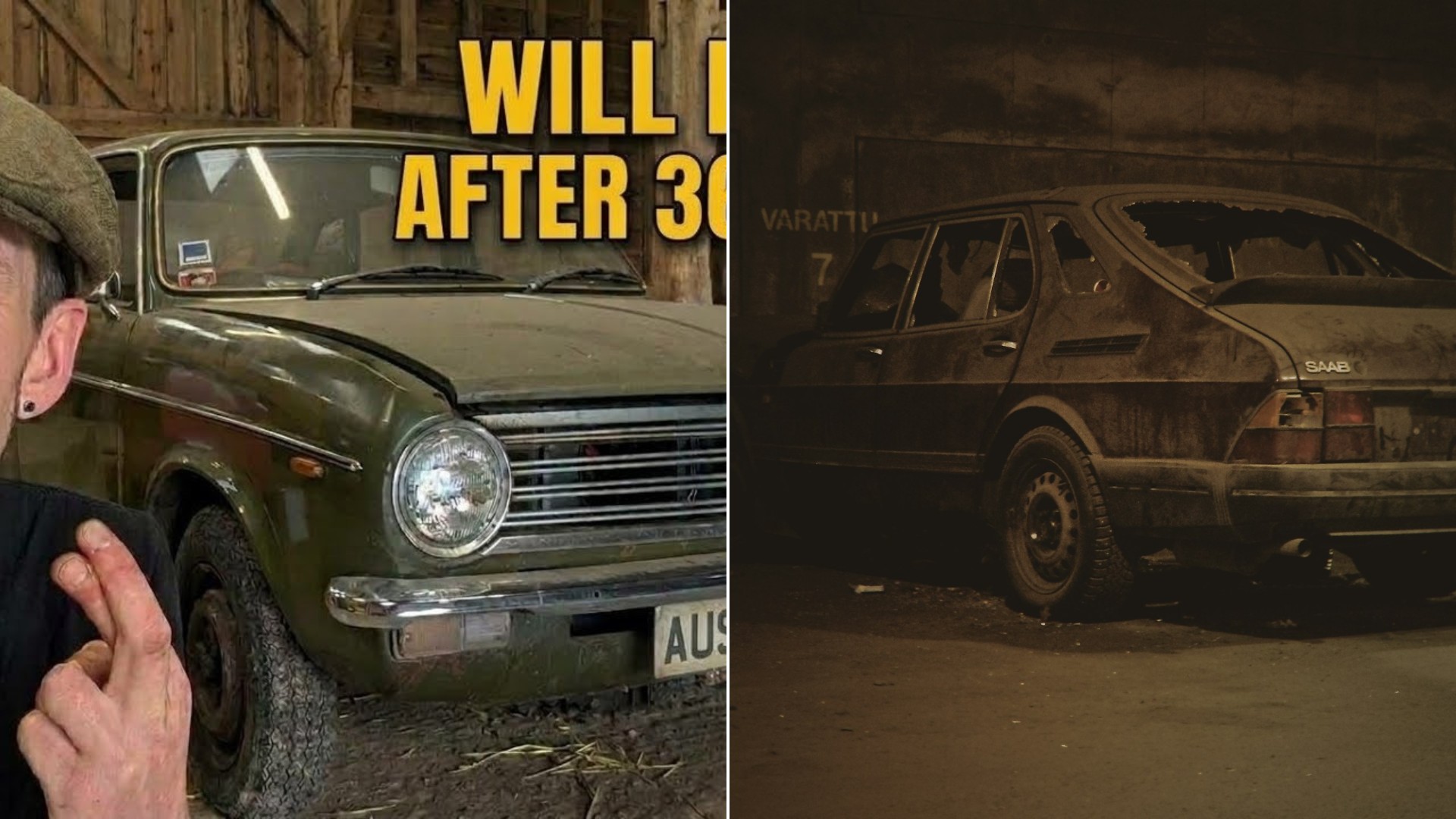

Thirty-six years is a long time for a car to sit in a garage. It is long enough for the paint to age, the rubber to harden and the clutch to weld itself to the flywheel. That is exactly the situation Vaudrey’s Classics faced with a Maxi that was laid up around 1988 or 1989, and the goal for the day was simple: get it to drive out of the garage under its own power, using its own clutch.
Earlier in the year, the host had started the car for the first time in 36 years. Since then he had been busy behind the scenes, replacing a long list of parts. The cooling system was largely redone, with a new water pump, thermostat, housing, gaskets and pipes, some of them new old stock. He also fitted a distributor cap, plugs, points, a new belt and a new battery, and he cleaned up the carburetor.
What Put the Car Away in the First Place
The main reason the car came off the road, the host explains, was that the drive shaft and drive flange on one side stripped, which meant the car could no longer drive. It went into the garage and stayed there for 36 or 37 years. Before the big day, he replaced the drive shaft, the drive flange, the disc and the bearing, with all the parts coming from a pal named Ernie, whom he calls the Maxi guru. He gave thanks to a viewer who recommended Ernie, saying there is very little Ernie cannot get.
He also fitted a new clutch master cylinder, a new slave cylinder and a new brake master cylinder, ready for when the brakes go on. For now the car has no brakes, but the handbrake still works. A viewer tip also paid off: an external fuel tank from STP Race Products, filled with a liter of fuel, runs the engine nicely.
The Stuck Clutch
That left one big problem. It is not uncommon for a clutch to stick after years of sitting, the host says, because it can rust or stick itself to the flywheel, and sometimes the only fix is to take it apart and knock it free. He showed a quick test. With the clutch pedal in and the car in gear, he turned the engine over, and the car moved anyway. That meant the friction plate was sticking to the flywheel and still sending drive to the gearbox.
To get to it, he removed the battery tray, held on by four half inch nuts, and found mud underneath that he joked was older than he is. Next came the starter motor, held by two 9/16 bolts, then the clutch arm pin and the bottom engine mount. He supported the engine with a jack and a block of wood. Luckily, he says, the bolts were kind to him, with only one snapped wheel stud so far.
With the clutch cover held on by nine bolts, off it came, exposing the flywheel and pressure plate. He cleaned the small cover the thrust bearing pushes on and marked it with a Sharpie so it would go back in the same place. Then he cracked off the four bolts holding the flywheel, using a screwdriver in the flywheel to stop it from turning, and the whole unit came away. A friend named John helped, and he spotted signs that someone had been in there before, probably some old chap back in the day.
The plates were well and truly stuck together, just as suspected. With a gentle idea from John, a tap on the flywheel did the job and freed it. The good news was that the clutch looked fine, with plenty of material left on it, so it did not need replacing. The host cleaned up the surfaces and noted that if the job ever needs doing again, he now knows how.
Putting It Back Together
Reassembly had a few hiccups. The first time the clutch went in, a centralizing check showed it was not quite right, because a large dowel on the flywheel had been missed. On take two, it slipped into place, and he fitted the four bolts and torqued them to 60 foot pounds. The clutch cover bolts take 15 to 18 foot pounds, and he finished them with a gentle nip. John suggested a bit of grease on the splines for any future removal. While reaching around the back, the host found a branded beer mat tucked away.
In the end he said that if you want an easy clutch replacement, get a Maxi, calling it technically the easiest clutch he has ever done, though John’s promise of 30 minutes proved optimistic. With the starter motor and battery tray back on, the car was lowered to the ground and fitted with a battery, starter and some fuel in the carburetor.
The Moment of Truth
The host turned the key, gave it some choke, and the engine started. It ran so well that it needed no choke after a moment. Then he put the car in first gear after 35 years or more, and the clutch felt good. The car moved, rolling out of the garage on its own, and he used the handbrake to stop. He called it mission accomplished.
Plenty remains, such as polishing the paint, adding brakes and putting petrol in the tank. The body is in good shape for a British car of its age. The host said it was a successful first test drive, with a laugh that it went backwards too, which is a big plus. For anyone sitting on a long-parked car, the lessons are practical: replace the cooling parts, sort the fuel, and remember that a stuck clutch can often be freed without buying a new one.
More Stories You May Like
- Mechanic Shares the Five Second Test That Tells You If Your Auto Shop Is Lying, and Says If They Refuse It You Should Grab Your Keys and Run
- Mechanic’s Dad Crunched Two Years Of Repair Orders And Names The Five Most Expensive Vehicles To Fix Led By Jaguar At More Than Fifteen Hundred Dollars A Visit
- Car Buying Expert Lists The Sleazy Dealership Tricks That Take Advantage Of Shoppers From Add Ons On The Final Paperwork To Forcing You Into Their Financing