

Walk into a garage full of vintage signs, clocks and license plates and ask the owner what is for sale, and you might get the answer this collector gave: everything is not for sale. In fact, probably most of it is not. But some of it probably is.
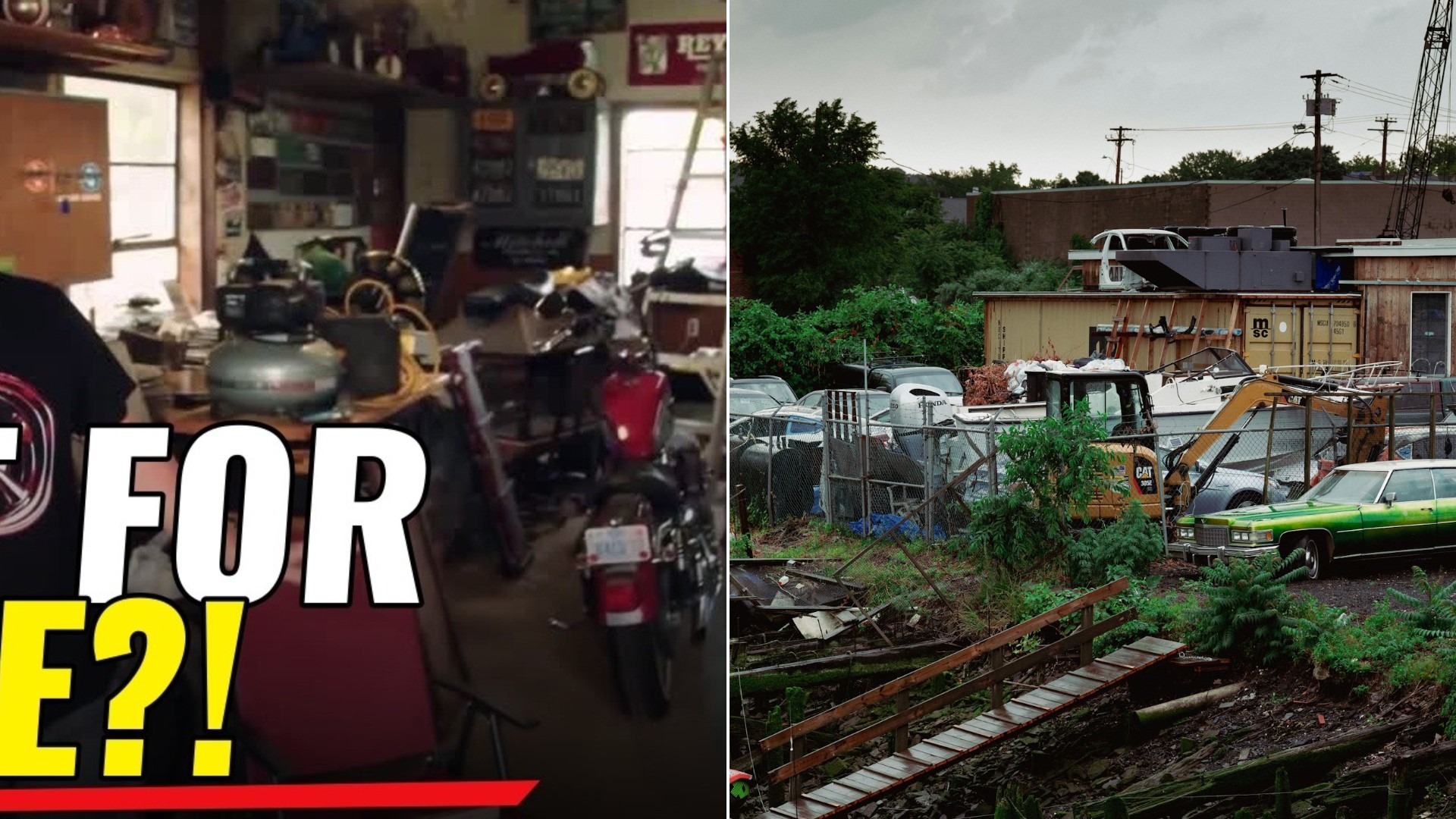
Two pickers named Mike and Chad got that answer on a visit filmed by @289filmco (289 Film Co.). The collector has been in his place for 50 years come January, and he once had a salvage yard that he and his brothers sold. Looking back, he says he should have kept it, because a guy told him it was worth 3 million dollars. As he put it, hindsight is always 20/20.
A Clock That Was Not Going Anywhere
The first thing Mike noticed when he walked into the garage was a Dr. Pepper Pam clock on the wall. Of course he asked about it, and the answer came right away: no. The clock still works, too. The collector picked it up at a flea market for 25 dollars. Would he like to double his money? No. Triple it? No. Not yet.
Mike said Pam clocks are really cool, and that they are probably from the late 1940s or early 1950s. The signs on the wall were a no as well. They are all attached to the wall, so permanent.
Fifty Years And A Salvage Yard
The collector said he would be at his place 50 years in January. Back in the 1970s, he and his brothers had a salvage yard in Claremore. They sold it, he said, and he moved out to where he is now, and he has been there since. A guy told him it was worth 3 million dollars. His verdict: should have kept it.
It is a classic story, and a common one. A family business that seems ordinary when you are living it can look very different decades later, especially when it holds old parts, signs and cars that people now hunt for. The lesson is not that selling was wrong. It is that old things can hold value that is hard to see in the moment, and it is worth asking around before you let go of something with history.
What Was For Sale
Even a collector who says no to most things has a few he will part with, and the pickers found them. Up on the wall were visors. Two of them were for sale, but one was not. The one in the middle, which is from a 1952, stayed. The asking price on the others was about 125 dollars apiece. If the pickers bought both, would he take 200? Yeah, probably. That works for me. There you go, broke the ice.
License plates were next. For an Oklahoma plate, the collector said he would have to ask his son. A guy in Enid gave him that one, and the guy sells tractor parts out there. Hubcaps, on the other hand, went for five dollars. The pickers also took the Chevrolet ones, and one of them was a GMC.
Mike said later that they were able to buy a few items: a couple of novelty license plates and a couple of visors, which was really cool. He did not think the collector was going to let go of the visors, but he did pretty quickly.
Chad had his own stories about what stayed. There was a pair of 1939 California World’s Fair license plates and some really cool license plate frames from Albuquerque. As soon as he asked about them, it was a no, of course. When the pickers asked about the World’s Fair plates, the collector said no, he did not think so.
How To Ask A Collector What Is For Sale
The conversation in this garage is a good model for anyone who wants to buy from a collector without stepping on toes. A few ideas stand out.
- Ask first, then ask again. Starting with a broad question like what is for sale gets the collector talking, and the answer tells you where the line is.
- Accept the walls. Items attached to a wall, or the ones the collector loves, are usually off limits. A calm no keeps the door open for the next question.
- Look at the second tier. The visors, hubcaps and novelty plates were things the collector did not mind letting go. Collectors often have duplicates or pieces they never display.
- Offer a clean number. A bundle price like 200 for two visors made the deal easy, and the collector agreed right away.
- Be curious about the story. A plate that came from a friend in Enid is worth hearing about, even when it is not for sale. The history is part of the hobby.
There is also something to learn from the collector himself. He said no when asked about doubling his money on the clock, and no again to tripling it, and he added not yet. For many collectors, the best pieces are the ones tied to a place, a friend or a time in their lives, and no number changes that. The pickers left with a few good finds, and the collector kept the pieces that matter most to him.
More Stories You May Like
- Classic Car Hunter Chases Down a Rare 1969 Mustang 428 Super Cobra Jet With a $50,000 Asking Price, Then Sees What Kind of Shape It Is Really In
- Professional Detailer Shows the Right Way to Wash Your Car at Home and Says Protecting the Paint Is What Separates a Real Wash From the Car Wash Down the Street
- Business Owner Skips the Most Expensive New Truck and Buys a Used 2021 Nissan Titan Instead, Explaining Why It Is the Smarter Move for Tax Write Offs and Bank Financing