

There is a certain pride in washing your own car on a sunny Saturday. The bucket, the hose, the radio on, the neighbors waving as they pass. It feels like the responsible thing to do, and it saves a trip to the car wash. But here is the uncomfortable truth: a lot of the things people do in the driveway are slowly wearing down the finish they are trying to protect.
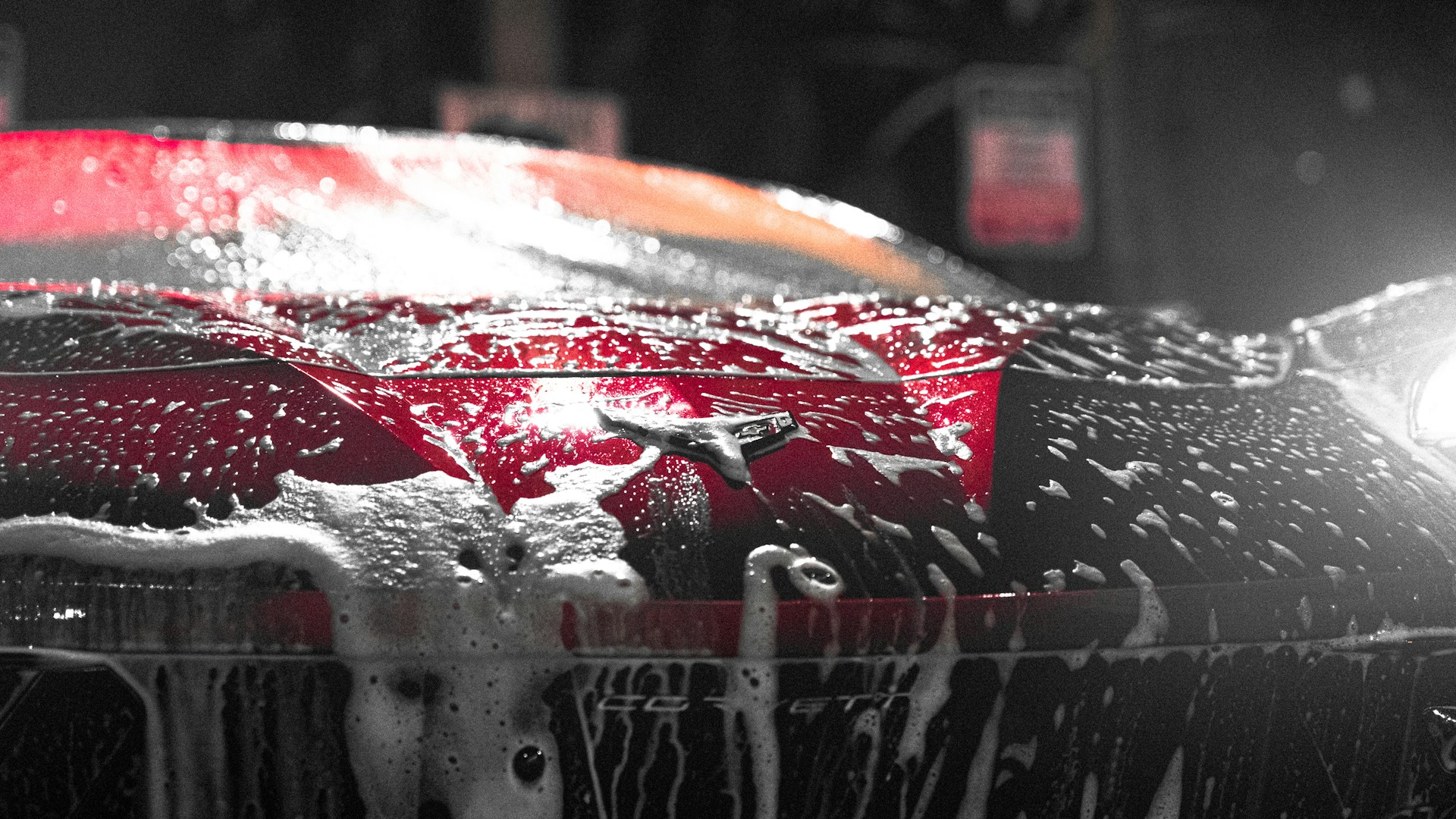
The damage rarely shows up all at once. It arrives as a faint haze, a spiderweb of tiny scratches that show up in the sunlight, a paint job that looks tired well before its time. If your car has started to look dull no matter how often you wash it, your routine may be the reason.
Mistake One: Using Dish Soap
It sits right there under the kitchen sink, it makes plenty of suds, and it cuts through grease like nothing else. That last part is exactly the problem. Dish soap is made to strip oils and grease off dishes, and it can do the same thing to the wax or sealant that protects your car’s paint.
When that protective layer gets stripped away, the paint is left more exposed to sun, water, bird droppings and road grime. The car may look clean for the moment, but you have taken away its armor. Soap made for cars is designed to lift dirt while being gentler on the protection that is already there. It is inexpensive and it lasts a long time, because you only use a little at a time.
Mistake Two: Dirty Towels And Sponges
This is the big one. Dirt on a car is not just dust. It is tiny bits of grit, sand and road grime, and when you wipe it across the paint with a rag or sponge, those bits act like sandpaper. The result is a pattern of fine scratches, often called swirl marks, that catch the light and make the paint look dull.
Here is where the common household items go wrong:
- Old bath towels and shop rags. The fibers can be rough and can hold onto grit.
- Kitchen sponges. A sponge can trap dirt against its surface and drag it across the paint.
- Paper towels. They can leave lint and can scratch when rubbed on a dirty surface.
- Anything dropped on the ground. A towel or mitt that lands on the driveway has picked up grit. Do not use it on your paint again until it has been properly washed.
A soft microfiber wash mitt and clean microfiber towels are the usual choice, because they hold dirt in their fibers rather than dragging it along the surface. Keep one set for paint and another for the dirtiest areas, like the wheels and lower edges, so you do not carry that brake dust and road grime up onto the rest of the car.
A Smarter Way To Wash
Many careful car owners use what is known as the two bucket method. One bucket holds soapy water, and the other holds clean water for rinsing the mitt. After each section of the car, you rinse the mitt in the clean water before dipping it back into the soap. That way the grit you pick up from the car stays in the rinse bucket instead of going back onto the paint.
A few other habits make a difference:
- Rinse the whole car first with the hose to knock off loose dirt before you touch it with a mitt.
- Wash from the top down, saving the dirtiest lower areas for last.
- Use gentle, straight motions rather than hard scrubbing in circles.
- Rinse thoroughly so no soap is left to dry on the surface.
- Dry the car with a clean, soft microfiber towel instead of letting it air dry in the sun.
If you wash your microfiber towels at home, wash them separately from your regular laundry. Many detailing guides advise skipping fabric softener, because it can clog the fibers and make the towels less effective. When in doubt, follow the care instructions on the towel.
Mistake Three: Washing In Direct Sun
It seems logical to wash the car on the sunniest day of the week, but a hot, sun-baked car is a tough place to wash. Heat dries soap and water on the surface before you can rinse or wipe it off. What you are left with are spots and streaks, and the minerals in tap water can leave marks that are hard to remove once they have baked onto the paint.
The fix is easy. Wash in the shade if you can, or choose a cooler part of the day, like early morning or the evening. Let a hot car cool down before washing, especially if it has been parked in the sun or you have just come back from a drive. Work on one section at a time and rinse each part before the soap has a chance to dry.
A Few More Things Worth Knowing
Bird droppings and squashed bugs can harm paint if left on for a long time, so it is best to remove them sooner rather than later. Do not scrub them off dry. Soften them first with water or a quick detailing spray and lift them gently.
Also, do not wipe a dusty car with a dry towel. Dust is gritty, and a dry wipe is the fastest way to leave scratches. If you only need to knock off light dust, rinse first.
After washing, a coat of wax or paint sealant helps put the protection back and makes future washes easier, because dirt does not cling as tightly to a protected surface. Follow the directions on the product, and check your owner’s manual for any advice about your car’s finish.
The Payoff
Nothing here costs much. A bottle of car wash soap, a couple of buckets, a soft mitt and a few clean microfiber towels are not a big investment, and they protect something that costs a great deal more. A finish that is washed gently and protected regularly can stay glossy and look newer for a lot longer than one that has been scrubbed with dish soap and an old bath towel.
So the next time the sun comes out and the urge to wash strikes, give it a little thought. Pick the right soap, keep your towels clean, and wait for the shade. Your neighbors will still wave, and your car will look better for it.
More Stories You May Like
- True Barn Find 1967 Corvette L71 427 Is Found in Georgia with Only Three Thousand Miles on It
- Creator Stumbles on a Massive Classic Car Graveyard in America Where Mustangs, Camaros and Firebirds Are All Selling for Less Than $2,000 Each
- Dealership Mechanics Reveal the Car Brands They Would Never Park in Their Own Driveway in 2026, and Chevy, Hyundai and Jeep All Get Called Out