

Buying a used car is supposed to be a happy milestone. For a lot of people it is also the biggest purchase they make all year, so a car that turns out to be a headache feels especially painful. A woman who posts as @yascuriouschronicles shared a long, frustrated account of what happened after she bought a used Volkswagen T-Roc, and she wants anyone shopping for a second hand car to learn from her experience.
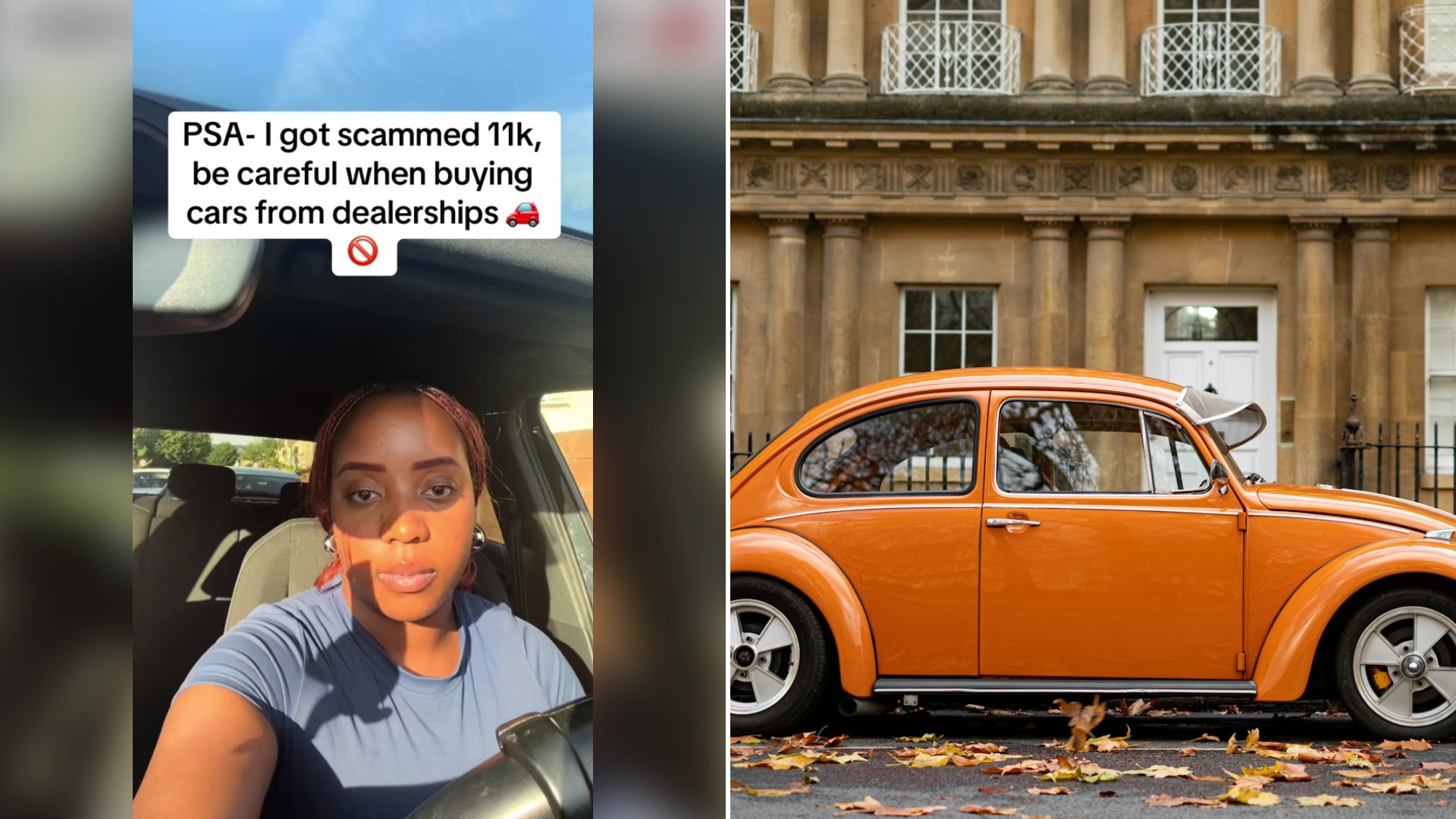
Everything below is her account of events as she described them. The dealership’s side of the story is not heard in her post, and nothing here should be taken as a legal finding. Still, the problems she lists are the kind that many used car buyers will recognize.
@yascuriouschronicles
A burning smell from the very start
She says she has spent more than eleven thousand on the car and it does not work. According to her, the trouble started almost immediately. When she went back for the second time to pick up the car, after paying a deposit, her mother noticed a burning smell. The salesman told them it would go away in a few days, saying it was simply because the car had been revved a lot while it was being brought to the lot.
The smell did not go away. Three months later, she says it was still there. She called back, and the salesman suggested she drive on the motorway to burn it off. That did not help either. People she spoke with told her it sounded like a clutch issue and that she should have it investigated.
Electrical problems pile up
About a month later, she noticed electrical trouble. When she pressed the key fob, the mirrors would not pop open. The driver’s window would not go down. The air conditioning was not working, the screens were glitching and a warning showed up on the dash. She described driving on the motorway and feeling close to fainting because she could not get any fresh air.
She was dealing with all of this within about six weeks of buying the car. Her plan was to go on a holiday, raise a claim with her warranty company, and sort it out when she returned.
A garage she took the car to said there were multiple electrical fault codes and that they did not feel comfortable working on it. An auto electrician then told her there had been a bad repair job on the driver’s side, and that the wiring appeared to be melted. He repaired it and told her it should fix everything, and that she had a one year warranty on his work.
The car stops starting
For about a week, things worked. Then, she says, the car would not start at all. She still had an unresolved clutch concern and that awful burning smell, and now the electrical repair did not seem to be holding. She wondered whether the battery was the culprit but did not know. Dealing with this, she says, within three months of a purchase over eleven thousand was mind blowing.
She called the dealership. According to her, the person she spoke with said she should have called them first and let them fix it. She explained that she had gone through the warranty company because that was the proper channel. She adds that the warranty would not cover the problem anyway because it stemmed from a bad repair job.
She also says the conversation turned unpleasant and that the salesman made remarks about her family, including her nephew who had been climbing around during the visit. She was frustrated that the talk was drifting away from the car. She says she owns the car outright, it is not on finance, and she does not see why she should bring it back to a place that did not repair it to a saleable standard in the first place.
She ends with a warning. She says she is not a rowdy person and has stayed patient and calm while trying to do things the right way. Her message is simply to be careful about where you spend your money.
How to protect yourself when buying used
Whatever the outcome of her case, her story is a useful reminder of the steps that can save a buyer from a very bad year.
Get an independent inspection before you pay. For a modest fee, a mechanic you trust can put the car on a lift, scan it for fault codes, check wiring, fluid levels and the clutch, and tell you what they find. If a seller will not allow an inspection, that alone is a warning sign.
Test drive for longer than a lap around the block. Drive at different speeds, with the air conditioning and every window, mirror and screen in use. Notice smells, noises and warning lights. A burning smell should always be explained before you hand over a deposit.
Understand what your deposit commits you to. Ask in writing whether it is refundable and under what conditions, before you pay.
Read the warranty. Many used car warranties exclude electrical faults, wear items such as clutches, or damage from previous repairs. Ask for the full terms and look at what is covered.
Ask about repairs the dealership performed. If a dealer says a car was prepared for sale, request a record of the work done. Keep copies of everything.
Put problems in writing. If something is wrong, email or write to the seller as soon as you find it, with dates, photos and details. A record helps if you need to escalate.
Know your rights. Consumer protection laws differ widely by country and by state, and some places give buyers a short window to return a faulty vehicle. In the United States, a used car dealer must post a buyers guide in the window that says whether the car is sold as is or with a warranty. Check what applies where you live, and consider contacting a consumer protection office.
Finally, trust your gut. Pressure to decide fast, vague answers and promises that a problem will go away on its own are all reasons to slow down. The story shared by @yascuriouschronicles is one person’s experience, but it is a good reminder to ask every question before you sign.