


They know the term “Manic Monday” because he, she, or they will face it this January 5 when winter-weary vehicles and long idle periods push breakdowns higher than usual. Prepare your car now—check the battery, tyres, fluids, and fuel—to cut the chance of joining the surge of stranded drivers on the first working Monday.
Expect common faults like flat batteries and tyres, plus busy roadside services that can delay help. The next paragraphs explain why the spike happens and give simple, actionable checks to keep their journey moving.
Why ‘Manic Monday’ Causes a Surge in Breakdowns
Drivers face more starting problems, flat tyres and busy recovery services after long holiday periods and cold weather. Millions of commuters returning to the road on the first working Monday increase demand for patrols and expose small issues that went unnoticed during inactivity.
Impact of Winter Weather on Vehicle Reliability
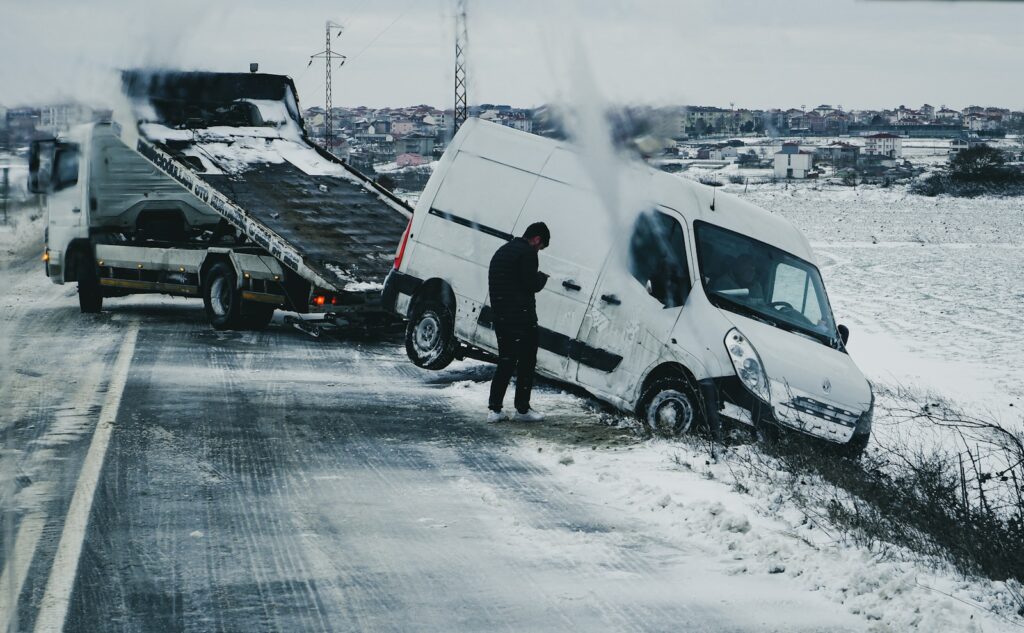
Cold temperatures reduce battery capacity and make engines harder to crank. Batteries that performed adequately in autumn can struggle after weeks of low use, so a 12‑volt battery that was marginal can fail on first start.
Tyre pressure falls with temperature, increasing the risk of underinflation or slow leaks. Drivers who don’t check tyre pressure after cold nights risk punctures or poor handling on the commute.
Fluids behave differently in low temperatures. Thickened oil and reduced screenwash capacity can lead to poor lubrication and visibility problems, which sometimes trigger roadside callouts.
Road salt and moisture also accelerate corrosion on electrical contacts and brake components. That corrosion can cause intermittent faults that show up when drivers begin heavy use again on the first working Monday.
Role of Vehicle Inactivity Over Holidays
Cars left idle for days or weeks develop issues that only appear when they are driven again. Fuel can stagnate, tyres can lose pressure, and batteries slowly self‑discharge even if the car is turned off.
Modern cars draw a small current when parked. Over a prolonged holiday, that parasitic drain can flatten a weak battery, turning a simple start into a breakdown on Manic Monday.
Drivers often skip routine checks during festive days. Small problems like low coolant, worn wiper blades, or a slow puncture go unnoticed at home but become urgent during the morning commute.
High numbers of simultaneous departures amplify the impact. When many drivers discover problems at the same time, recovery services report spikes in callouts and longer waits for assistance.
Statistics: First Working Monday Breakdown Spike
The AA reported a notable rise in callouts on the first working Monday compared with other Mondays. Past data showed roughly a 27% increase in breakdown requests on the comparable first‑week Monday versus a later Monday, driven largely by “vehicle not starting” incidents.
On average days, about one in five breakdowns relate to starting issues; on the first working Monday this proportion can rise toward one in three. Flat batteries and tyre‑related failures dominate these numbers.
Estimates suggest more than 22 million car journeys take place on that Monday in some years, concentrating demand on patrols. That surge in journeys, combined with the winter and inactivity factors, explains why many regions see record daily call volumes.
For advice on preparing vehicles ahead of that busy commute day, the AA published a checklist of practical checks to reduce the risk of being part of the surge: https://www.theaa.com/about-us/newsroom/the-aa-warns-of-a-breakdown-manic-monday
Essential Tips to Avoid Breakdowns This Monday
Check battery health, tyre pressure, fluids and fuel before the morning rush. Small checks the night before often prevent calls to breakdown services and reduce delays on busy return-to-work mornings.
Battery Care and Preemptive Checks
They should test the 12‑volt battery charge and look for corrosion at the terminals. Use a multimeter if available: a resting voltage below 12.4 V indicates the battery may struggle on a cold morning.
If the battery is more than three years old, consider a professional load test or fitting a new battery now rather than waiting for a failure during a commute.
Drivers should clean terminal corrosion and tighten clamps; even a small voltage drop can prevent the car starting. Portable jump packs are helpful; keep one charged and in the boot.
Electric vehicles still depend on a 12‑volt battery for systems and should be driven occasionally and kept above 20% main battery charge to avoid issues referenced by roadside groups like the AA.
Preventing Flat Tyres in Cold Weather
They must check tyre pressure when tyres are cold; pressure drops roughly 1 psi for every 5–7°F (3–4°C) decrease. Inflate to the manufacturer’s recommended pressure listed on the door placard or owner’s manual.
Inspect tread depth and look for cuts, bulges, or embedded objects that may worsen when roads warm and expand.
Carry a compact tyre repair kit, a portable pump, and a pressure gauge. If the spare is a temporary “donut,” confirm the correct torque on the wheel nuts after fitting and note the speed and distance limits.
Tyre-related callouts spike after long idle periods, so a quick weekend check avoids flat tyre problems that often trigger breakdowns on busy Mondays.
Winter Vehicle Checklist for Morning Commutes
They should top up screenwash with a winter-grade fluid and check coolant level and antifreeze concentration to prevent freezes. Wipers older than 12 months deserve replacement to keep visibility high during wet commutes.
Fill the fuel tank to at least half-full overnight to avoid long queues at stations and reduce condensation build-up in the fuel system.
Pack an emergency commute kit: hi‑vis vest, warm blanket, torch with spare batteries, basic tool kit, and a charged phone power bank. Note membership details for breakdown providers like the AA and save their number for quick calls.
Perform a short test drive over the weekend to ensure lights, heater, and demisters work reliably before the Monday rush.
More from Steel Horse Rides: