

He walked into a Ford dealership ready to buy a brand new 2026 F-150 Lobo, a credit score of 700 in his pocket and his heart set on one truck. Two days later he walked out for good, leaving a roughly $60,000 sale on the table. In a frustrated video, @mateocpr explains how a 12 percent interest offer, a slow finance office and a last-minute recall turned an eager buyer into a man who will not even answer the dealer’s calls.
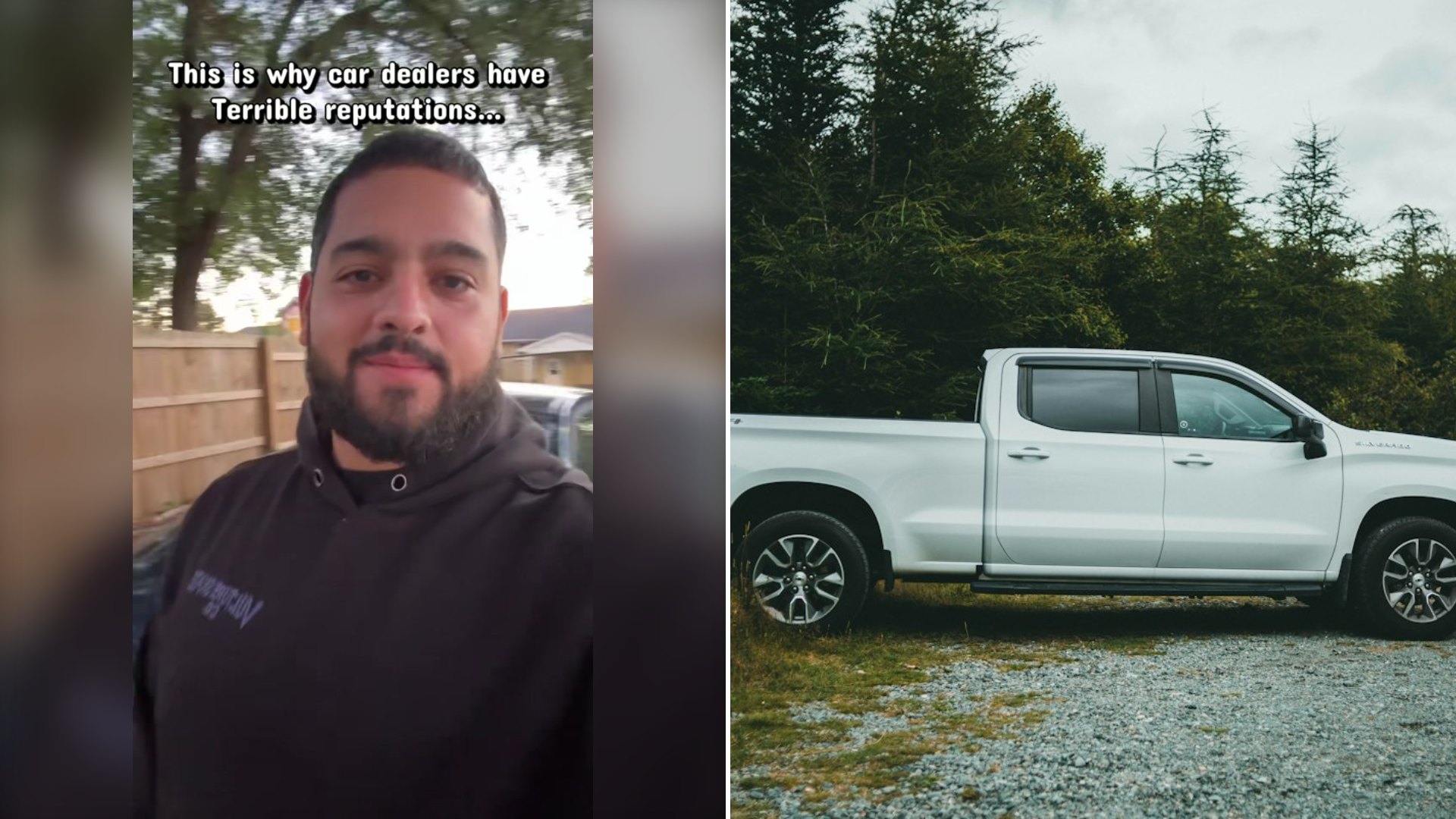
He opens by speaking directly to dealership salespeople and finance managers, because he wants their honest opinion. Normally, he says, he does not finance through a dealer at all. He uses his credit union, which he calls State Employees. But that night he was excited and ready to drive away in the truck, so he let the dealership run his application.
The number that came back stunned him. “They was trying to play me like I got bad credit,” he says. “Mind you, I got a 700.” The finance manager offered him 12 percent interest.
The Interest Rate He Refused to Sign
He did not argue for long. He told the finance manager he would not sign at 12 percent, and that his credit union typically offered between four and seven. If the dealer could match that, great. If not, he asked for a bill of sale so he could come back the next day with his own financing.
Instead of a simple yes or no, the finance manager came back with his credit report and began going through it line by line, explaining why a better rate was not possible. That rubbed him the wrong way. He asked for his keys back and got up to leave. Only then did the finance manager apologize and say he was having a bad day.
Still, the truck had won him over. “The truck is tough,” he says. So the next day he went to his credit union, secured the loan and got his income approved. He stresses that he was fully approved, not merely pre-approved. All the dealer needed to do was send over the paperwork.
Back at the Dealership Before Closing Time
The dealership dragged its feet on getting the bill of sale to the credit union, so he drove over himself to pick it up, leaving around 6:30 that evening. On the way home he remembered his credit union had a toll-free line, called it, and was told they were open until nine and could finish everything that night.
Because he was trading in his own truck, he raced home, swapped vehicles and was back at the dealership around 7:30. The salesman looked surprised to see him. When he said he was ready to finish the deal, he was reminded that the store closed at eight and that working with the credit union could take a couple of hours. According to him, all they needed was the window sticker and the final documents.
Then the salesman checked the computer and said there was a recall on the truck, so he could not take it home that night anyway. When the salesman asked what time he would be back tomorrow, the buyer’s answer was short: “You won’t.” Two days in a row, he says, he had done more work to buy the truck than they had done to sell it.
@mateocpr
His question to the sales world is simple. Would you let a serious buyer, one who came back twice for a single vehicle, walk away from a $60,000 deal? He says that as a salesman himself, he would keep the doors open as long as it took to close. The dealership has kept calling him since. He says he is not going back.
How to Protect Yourself in the Finance Office
The price of the truck is only half of the deal. The interest rate can quietly add thousands of dollars over the life of a loan.
Get pre-approved before you shop. A credit union or bank approval gives you a real number to compare against. Credit unions are member-owned and often offer competitive auto rates. Walking in with an approval letter tells the dealer you know what your credit is worth.
Know your score and what it should earn. A 700 score is generally considered good, though rates also depend on the loan term, the vehicle, your income and current market rates. Pull your own credit reports for free at AnnualCreditReport.com so nothing in the finance office surprises you.
Understand dealer markup. Dealers often arrange financing through outside lenders and may be allowed to add a markup to the rate the lender approves, which becomes extra profit for the store. That is why a quoted rate is often negotiable. Asking for the “buy rate” or simply saying you have a better offer elsewhere is perfectly fair.
Ask about manufacturer incentives. Automakers often run special financing through their own lending arms. Ask whether a promotional rate applies to your exact truck, and whether taking it means giving up a cash rebate.
Before You Sign for Any New Vehicle
Check for recalls yourself. You can enter any vehicle identification number at NHTSA.gov to see open safety recalls. Federal law generally bars dealers from selling a new vehicle with an unrepaired safety recall, which may explain why the truck could not leave the lot that night. Checking ahead of time spares you a surprise at the finish line.
Get the paperwork in writing early. If you plan to use outside financing, ask for a buyer’s order or bill of sale showing the agreed price, fees and trade-in value as soon as you settle on numbers. Your lender will need it, and having it in hand prevents numbers from shifting later.
Be willing to walk. There is almost always another truck and another dealer. As this buyer proved, the customer holds the most power in any deal, and the dealership only gets paid if you sign.
More From Steel Horse Rides
- Dealers Use Lowball Trade In Offers And Bundled Deals To Hide What You Really Pay, So Negotiate Your Trade And Your Purchase Price Separately
- Volkswagen Tells ID.4 Owners To Stop Charging Past 80 Percent While A Battery Fire Recall Waits On A Fix For More Than 22,000 Vehicles
- That Cheap Classic Car Project Can Turn Into A Rust Bucket That Costs More To Restore Than It Will Ever Be Worth, So Budget The Real Cost Of Bodywork Before You Buy