


Buying a car feels exciting, but the thrill fades fast when surprise repair bills show up. You need to know which maintenance costs commonly slip under the radar so you don’t budget only for the sticker price and get hit with weeks or months of unexpected expenses.
Plan for higher insurance and regular maintenance, plus intermittent big-ticket repairs like brakes, tires, and battery or electrical work — these often add hundreds each month if you don’t account for them. This article will walk you through the specific hidden maintenance items and other ownership expenses that quietly drain your wallet, so you can shop smarter and keep your monthly transportation costs under control.
You’ll learn practical steps to estimate yearly maintenance, what to inspect before buying used, and simple moves that lower long-term costs so the car you choose actually fits your budget.
Crucial Hidden Maintenance Costs Beyond the Price Tag
Expect ongoing expenses that affect your monthly budget and resale value. These include routine service, parts that wear out faster than you expect, insurance adjustments tied to the vehicle, and financing choices that inflate what you pay over time.
Routine Maintenance and Repairs
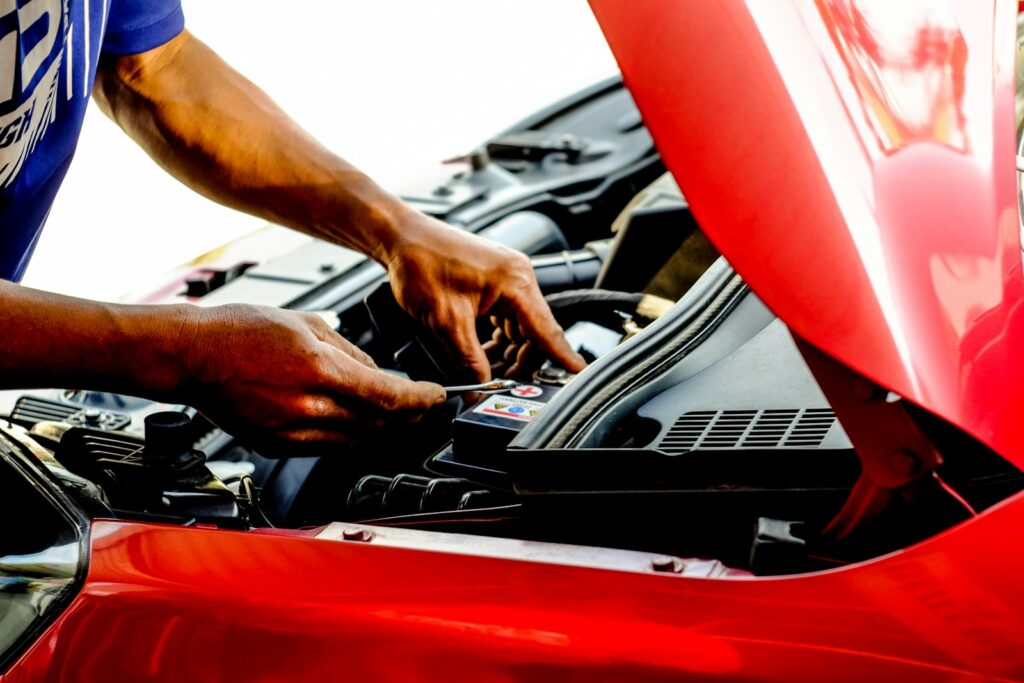
You must budget for oil changes, brakes, tires, and scheduled service intervals specific to the make and model you buy. Luxury and performance cars often cost more: synthetic oil, specialty filters, and dealer labor can double or triple routine-service bills compared with mainstream models.
Tires cost vary by size and type; a set of four mid-range tires can run around $600–$1,200 plus mounting and disposal. Brake pads, rotors, and occasional suspension work add several hundred dollars when they’re due.
Keep an emergency fund for transmission or electronic module failures—these repairs can cost thousands. Follow the manufacturer schedule and compare independent shops to lower long-term maintenance and repair costs.
Depreciation and Value Loss
Depreciation hits hard in the first few years and affects resale and insurance decisions. New cars typically lose 20–30% of value in year one and about half within five years; pick models with strong resale history to reduce that loss.
Depreciation isn’t a monthly bill you pay directly, but it raises your total cost of ownership because you recover less when you sell or trade the vehicle. Higher trim levels and optional equipment can speed up depreciation if demand for those options is weak.
If you care about resale value, research predicted depreciation for specific models and consider certified pre-owned or lightly used vehicles to avoid the steepest drop.
Insurance Premium Surprises
Insurance can vary widely based on the vehicle, your driving record, and coverage choices like comprehensive and collision. Sports cars, luxury SUVs, and models with expensive repair parts often carry higher premiums.
Financing a vehicle usually requires full coverage, which raises cost compared with liability-only policies you might choose when you own the car outright. Shop multiple insurers and get quotes before you buy to ensure the monthly payment plus insurance fits your budget.
Also watch for rate increases after claims, traffic violations, or living in an area with rising theft or accident rates—those can spike premiums unexpectedly.
Unseen Financing Expenses
Loan structure changes your real out-the-door price. A longer loan term lowers monthly payments but increases interest charges; for example, extending a 60-month loan to 72 months can add hundreds or thousands in APR-driven interest.
Down payment size directly reduces financing costs and depreciation exposure. A small down payment can leave you upside-down (owing more than the car’s worth) once depreciation kicks in.
Also compare APRs, lender fees, and dealer-arranged financing. Prequalify with banks or credit unions to know competitive rates and avoid dealer add-ons that inflate the financed amount.
Other Overlooked Ownership Expenses
You’ll face more than the purchase price: recurring fuel bills, the gap between sticker price and real cost, and the need to compare total ownership figures across vehicles. These items can shift a cheap-looking deal into an expensive one over the first few years.
Fuel Costs and Efficiency Factors
Fuel costs vary by engine, weight, and driving patterns, so check EPA mpg ratings and real-world owner reports before you buy. A midsize sedan that lists 30 mpg highway but returns 26 mpg in mixed driving will cost you significantly more in fuel than advertised.
Pay attention to fuel type and tank size. Premium-only engines and large tanks increase per-fill costs and exposure to price swings. Hybrids and plug-in hybrids cut fuel expenses, but factor in battery degradation and charging access.
Driving habits matter. If you do lots of city stop-and-go driving, expect lower fuel efficiency and more brake and tire wear. Use trip estimates (miles per day × fuel price × 1/mpg) to project monthly fuel expenses for each model you consider.
Sticker Price Versus Real Cost
Sticker price only tells part of the story. Add sales tax, registration, dealer fees, and any optional packages that raise insurance and repair costs. Those dealer-installed accessories can push your out-the-door cost well above the MSRP.
Consider depreciation. Two cars with the same sticker price can lose value at very different rates, which affects resale and lease-end costs. Check reliability ratings and historical resale values for comparable trims to estimate depreciation over three to five years.
Also include warranty coverage and anticipated maintenance. A lower sticker price with a short warranty or poor reliability ratings can mean higher repair bills that erase initial savings. Run a five-year cost projection including expected repairs and out-of-pocket warranty items.
Comparing Total Ownership Costs
Compare apples-to-apples by building a simple table: purchase price, estimated annual fuel, insurance, maintenance, repairs, taxes/fees, and expected depreciation. Total those columns for a 3–5 year window to reveal the actual cost of ownership.
Use online calculators and reliability ratings to populate the table. For maintenance and repairs, use model-specific estimates from owner forums and third-party guides rather than manufacturer service schedules alone.
Price-shop insurance quotes for the exact trim and options you plan to buy. Insurance differences between two trims can exceed the cost of a dealer add-on. When you compare totals, you’ll see which vehicle truly costs less to own—not just the one with the lowest sticker.
More from Steel Horse Rides: