

Every morning, a BMW owner starts the car, walks back inside, pours a cup of coffee, and lets the engine idle in the driveway for 10 to 15 minutes. It feels responsible, like being kind to an expensive engine.
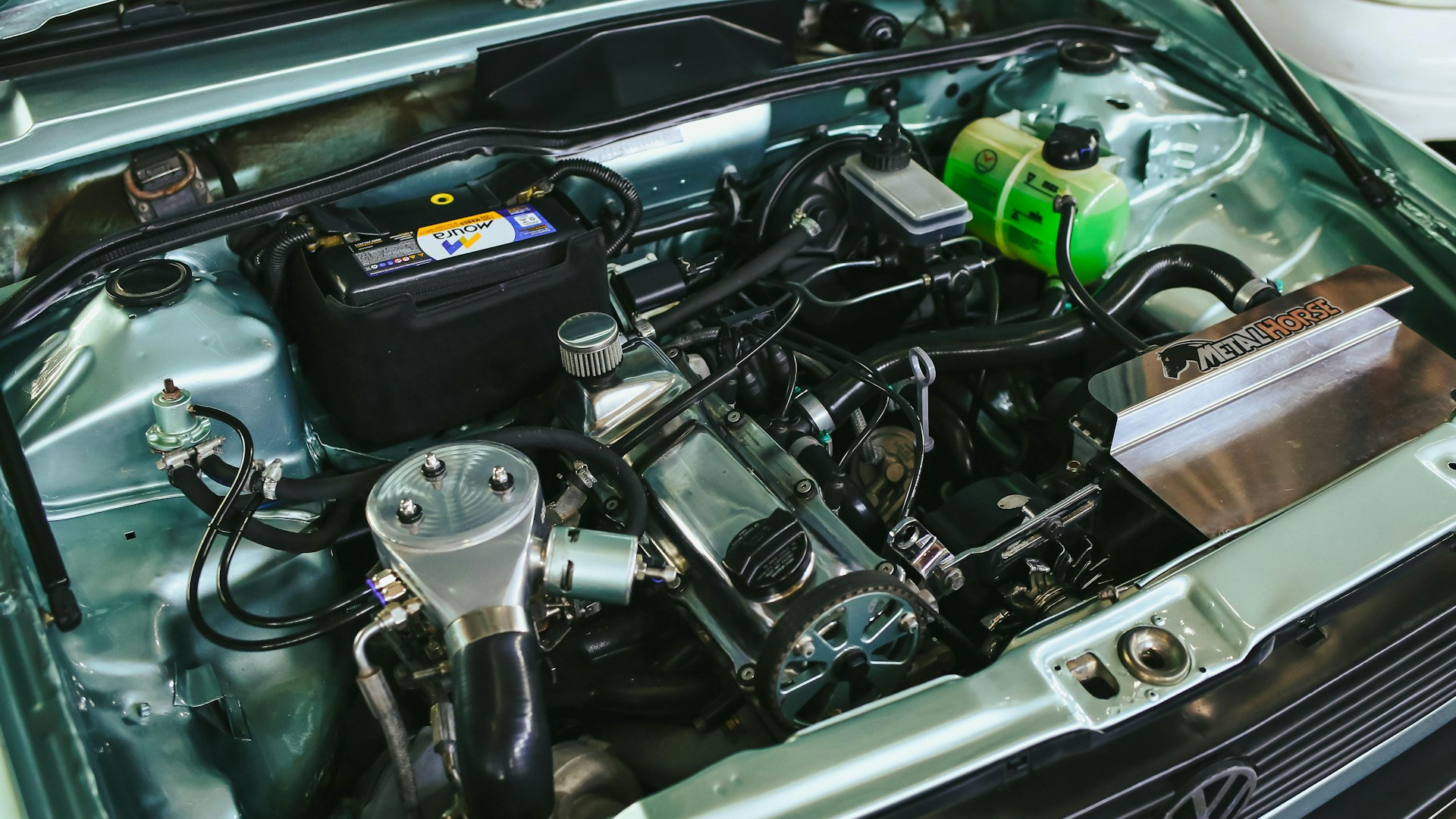
A BMW specialist on the @BMWMechanics channel says that on a modern BMW, that routine can quietly work against you. His warning is that it can dilute your oil with fuel and feed carbon into your intake, while the parts that matter most are still cold when you finally pull out.
The Careful Owners Are The Ones Getting Burned
Here is the twist. He says many of the people doing this are the most careful owners out there, repeating what their father did with a carbureted pickup truck 40 years ago.
“The engines changed. The habit didn’t,” he says. And it is not just a winter problem, since an engine is cold any time it has sat for a few hours, even on a 70 degree day.
Why A Cold BMW Engine Is A Different Animal
After a night in the garage, the oil has drained down into the pan. The tight clearances, the turbo bearings, the VANOS cam timing units, the timing chain and its guides are all waiting on oil pressure that has not fully built yet.
Then there is fuel. Almost every modern BMW gas engine is direct injected, meaning fuel is sprayed straight into the cylinder at very high pressure. When the cylinder walls are cold, some of that fuel does not burn completely, condenses on the walls and gets scraped down past the piston rings into the oil. He calls that fuel dilution, and it thins the oil right when you need it most.
Engines also produce water as a byproduct of combustion. A hot engine pushes the moisture out through the crankcase ventilation, but a cold one lets it condense inside. If you have ever opened the oil cap in winter and found a tan, milky sludge, he says, that is what you are looking at.
Mistake One Is The Big One, A Long Idle In The Driveway
At idle, he explains, the engine barely makes power, barely burns fuel and barely makes heat, so it takes a very long time to reach operating temperature. The oil takes even longer than the coolant.
That means 15 minutes in the driveway is the worst condition for a direct injected motor, with the engine cold, under low load and burning fuel incompletely. On engines like the N54, N55, N20 and N63, he says the wet crankcase vapors get routed back into the intake, where they bake onto the backs of the intake valves.
Direct injection never washes fuel over those valves, so nothing cleans the carbon off. Long cold idling is not the only cause, he says, but it does not help, and bad buildup can lead to rough running, misfires and a walnut blasting service that is a real shop bill, not a $20 maintenance item.
Remote start through the My BMW app is fine for a few minutes to defrost the glass, he says. Making it a 15-minute daily ritual all winter is the habit he would break, because driving under light load warms the engine far faster than idling does.
Mistake Two Is Hammering It Before The Oil Is Hot
The opposite mistake is just as common. When you start a cold BMW, the idle runs high, often well above 1,000 RPM for the first minute, because the computer is heating the catalytic converters. He says that is not a sign the engine is ready. It is a sign that it is cold.
A turbo on a B-58 or N55 can spin well over 100,000 RPM on a thin film of oil, and cold, thick oil does not reach the bearings as quickly. Add the cooling system’s plastic parts, which are stiffer when cold, and a sudden burst of RPM can spike pressure through hoses and fittings.
His rule is to keep it around 2,500 to 3,000 RPM or below while the oil is cold and avoid heavy throttle and boost. “Drive it like there’s a full cup of coffee on the dashboard with no lid,” he says.
Mistake Three Is Trusting The Wrong Gauge
Many modern BMWs have no traditional coolant gauge at all, he says, and the ones that do often park the needle in the middle across a wide range of temperatures. Oil temperature lags well behind coolant, and depending on weather and driving it can take 15 to 20 minutes of driving, sometimes longer in the dead of winter, to reach full operating temperature.
Many newer BMWs can show oil temperature in the instrument cluster or the iDrive menu. Most gas engines settle around 210 to 230 degrees Fahrenheit during normal driving, and until the oil climbs into that range, he says, the engine is not fully warmed up.
Mistake Four Is Never Getting Hot Enough To Clean Itself
Three miles to the grocery store and two to the pharmacy can be a car’s whole life, he says, and an engine like that can go weeks or an entire winter without reaching its designed temperatures. Heat is how the engine cooks fuel and moisture out of the oil, and short trips never finish the job.
His fix is to give the car a real drive at least once a week, 20 to 30 minutes with some highway speed. Diesel owners, he adds, have it worse, since a diesel makes even less heat at idle and the particulate filter needs high exhaust temperatures to burn off soot.
Mistake Five Is Shutting It Off The Second You Park After A Hard Run
Turbos get extremely hot under load, and when the engine shuts off the oil stops flowing through the turbo. Oil sitting in a heat-soaked housing can cook and leave hard carbon deposits that restrict passages and wear bearings, and he says a turbo replacement can easily turn into a multi-thousand dollar repair.
In fairness to BMW, he says modern turbo engines handle this better, with water-cooled turbos and an electric coolant pump that keeps running after shutdown. But that system moves coolant, not oil, so it helps a lot without making the problem disappear.
The Simple Routine He Says He Uses On His Own Car
- On a normal morning, start it and give it 30 to 60 seconds, enough for oil pressure to build.
- If it is below freezing, a minute or two is fine, mainly so you can see out of the windshield.
- Keep the throttle light until the oil is warm, with no full-boost merges and no launches.
- Watch the oil temperature, not the coolant.
- Take a real drive once a week.
- After hard driving or towing, let it idle 30 to 60 seconds before shutting off.
He says no special products or gadgets are needed. If your automatic shifts a little firmer when cold, that is normal, and gentle driving warms the transmission fluid too.
His summary is five things. Short idle, gentle driving, watch the oil instead of the coolant, give the car a regular real drive, and give the turbo a little time after hard driving. For a coffee-in-the-driveway habit, that is a pretty cheap trade.
More Stories You May Like
- 10 Car Features Many Drivers Never Realize They Have, From The Fuel Door Arrow To Heated Steering Wheels And Hidden Storage
- 10 Mistakes Drivers Make At The Gas Pump, Including Habits Safety Experts Say Can Spark Static Fires
- 10 Vehicles Most Likely To Reach 250,000 Miles According To iSeeCars, And The Maintenance Habits That Help Them Get There