

It starts as a faint squeal when you roll up to a stop sign. Maybe it only happens in the morning, or after the car has been sitting in the rain. You turn up the radio and tell yourself you will deal with it later. Weeks go by. Then one day the squeal turns into a harsh, metallic grinding, and the quote at the shop is far bigger than the one you could have had earlier.
That is how a cheap brake job becomes a pricey repair. Brakes give warnings, and the warnings are usually kind enough to arrive before the expensive damage. The trick is listening to them.
What The Squeal Is Telling You
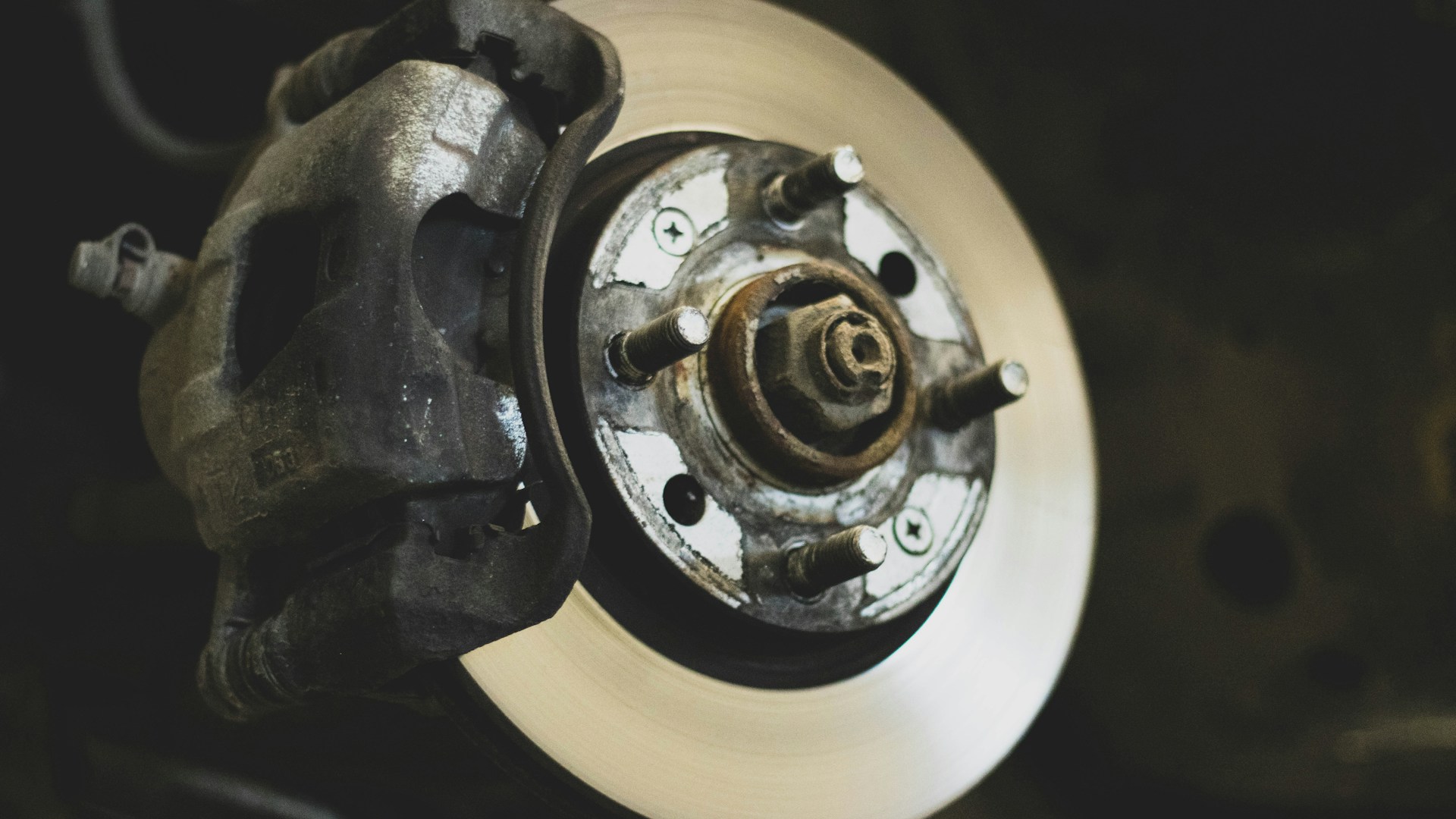
Brake pads are made with a friction material that wears down every time you stop. Many pads include a small metal tab, called a wear indicator, that is designed to touch the rotor and squeal when the pad material is getting low. It is basically a built-in alarm clock. When you hear it, the pads are asking to be replaced soon.
Not every squeal means an emergency. Moisture, dust, and cold mornings can cause brief noises that go away after the first stop or two. Some pad materials are also simply noisier than others. But a noise that comes back every time you brake, or that gets steadily worse, deserves a look. If you are not sure, a quick inspection is usually inexpensive, and many shops will check the pads while the wheels are off for a tire rotation.
What Grinding Means
Grinding is a different animal. If the pad material has worn completely away, the metal backing plate of the pad is now pressing against the metal rotor. That is metal-on-metal contact, and it chews up the rotor surface, creating grooves and heat. A grinding sound can also come from a stuck caliper, a stone caught in the brake, or a rotor that is badly rusted, but whatever the cause, it needs attention right away.
Here is what happens when you wait:
- The rotors get ruined. At the squeal stage, pads alone are often the whole job, and the rotors may be fine or may only need resurfacing. Once you grind, rotors usually have to be replaced.
- Calipers can be damaged. Extreme heat and uneven pad wear can harm the caliper and its seals, which adds parts and labor to the bill.
- Stopping power drops. Worn-out brakes take longer to stop the car, which is the real danger, because it leaves less room for error when the car in front of you slams on its own brakes.
- Heat can spread. Heavy friction can overheat the brake fluid and nearby parts, making the pedal feel soft.
In other words, a repair that might have meant pads and a quick look at the rotors becomes pads, rotors, hardware and possibly calipers. The longer you wait, the more parts are involved, and the more you pay in labor.
Other Warning Signs To Notice
Noise is only one way brakes tell you something is wrong. Pay attention to these too:
- The car pulling to one side when you brake, which can point to a stuck caliper or uneven wear.
- A pedal that feels spongy, sinks lower than usual, or needs to be pushed farther.
- Vibration or pulsing in the steering wheel or pedal, which often suggests warped or uneven rotors.
- A brake warning light on the dashboard.
- A burning smell after hard braking, especially on a long downhill.
- Pads that look very thin when you peek through the wheel spokes.
The National Highway Traffic Safety Administration shares vehicle safety information at nhtsa.gov. If the brake pedal goes to the floor, or you feel any sudden loss of braking, do not keep driving. Get the vehicle looked at right away, and have it towed if you need to.
How To Save Money
The cheapest brake job is the one you do on time. Ask for a brake inspection at regular intervals, such as at your oil changes or tire rotations, and have the technician measure the remaining pad material instead of just guessing. Ask to see the old parts and the measurements if you want proof.
Shop around for a fair quote, but compare the same parts and work, because pads come in different materials and quality levels. Cheaper is not always better when it affects stopping. A good shop will explain what is needed now and what can wait. Be cautious of anyone who pushes a long list of extras without showing you why. Your owner’s manual will list the recommended service schedule and the right parts for your vehicle, and it is worth reading.
Driving habits help as well. Leave more space and ease off the gas early instead of braking hard at the last second. On long downgrades, use a lower gear so the engine shares the work. Gentle, anticipatory driving makes pads and rotors last longer.
The Bottom Line
That squeal is not just an annoyance. It is a cheap, early warning that is trying to save you money and keep you safe. Take care of it while it is a simple pad swap, and you will likely avoid the sticker shock that comes with grinding. For details that apply to your vehicle, always follow the owner’s manual and the advice of a qualified technician. Check your own car’s brakes soon, before the noise gets any louder.
More Stories You May Like
- Car Buying Expert Lists The Sleazy Dealership Tricks That Take Advantage Of Shoppers From Add Ons On The Final Paperwork To Forcing You Into Their Financing
- True Barn Find 1967 Corvette L71 427 Is Found in Georgia with Only Three Thousand Miles on It
- Five Car Parts Every Driver Should Check At 25,000 Miles Before Small Sensor Problems Turn Into Hard Starts, Rough Idling And Stalling