

A 2021 Lincoln Aviator with the 3.0-liter twin-turbocharged EcoBoost V6 gave out at about 70,000 miles. When mechanics opened the engine up, the evidence pointed to one cause: oil changes that never happened.
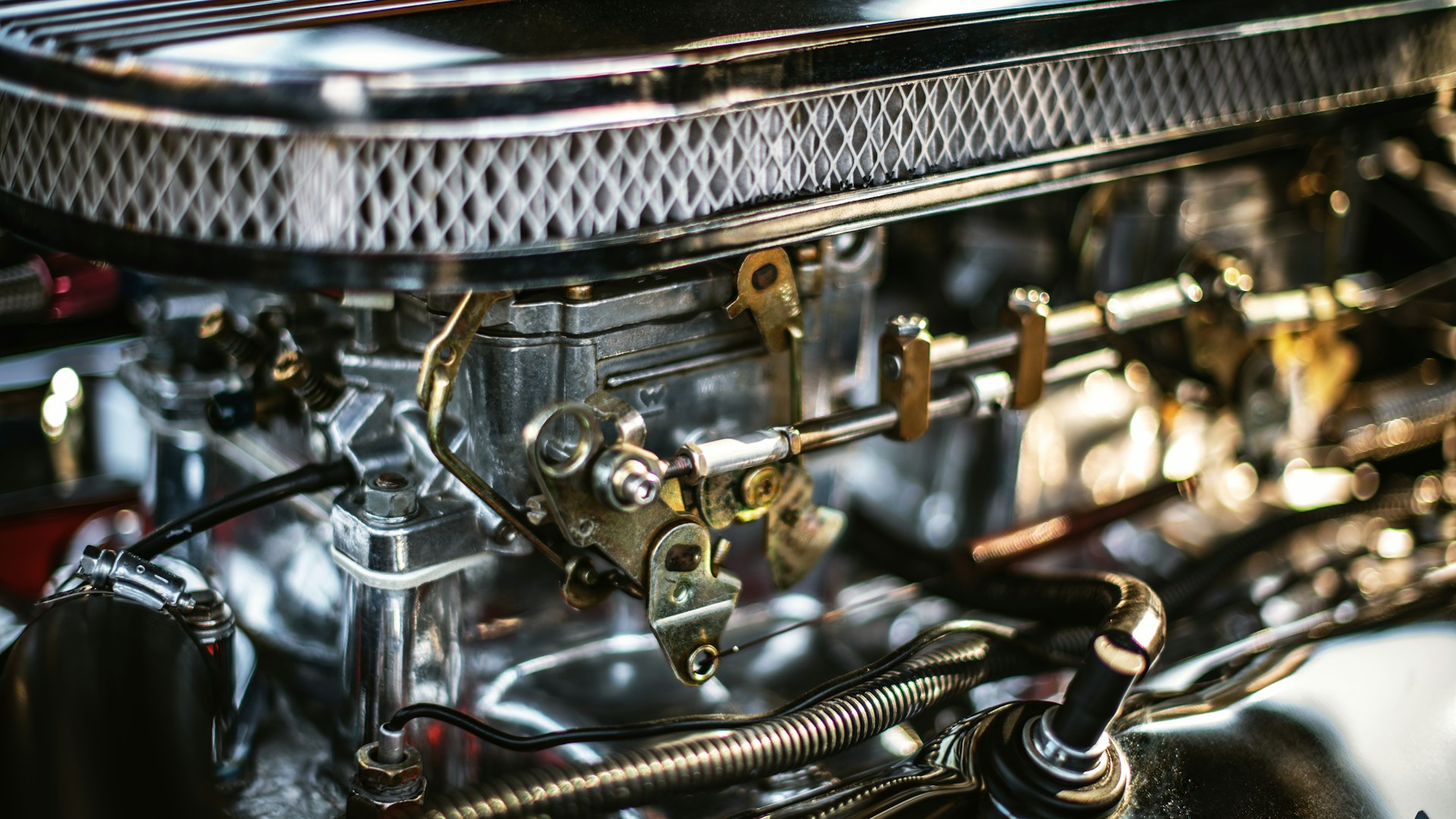
Motor1’s Anthony Alaniz covered the teardown in a report on November 8, based on a 36-minute video from the I Do Cars YouTube channel.
The Service Record Had Big Gaps
The vehicle’s records showed large gaps in the crossover’s service history. That suggests missed oil changes and other work, along with extensive repairs during the vehicle’s short life.
For a luxury crossover that was only a few model years old, 70,000 miles is not a lot. Many owners expect an engine to run far longer than that.
The First Clue Was Debris Packed Into The Oil Screens
The first clear sign of trouble was debris packed into the oil screens on the variable cam timing solenoids. Those tiny screens protect delicate parts that adjust valve timing, and when they clog, the engine cannot control its timing properly.
From there, the teardown found silvery sludge and bearing material throughout the engine, including the oil filter housing. The oil pan looked glossy.
No Pistons Hit The Valves, But The Damage Was Done
The news was not all grim for the engine’s design. Nothing caused major valve train damage, and no pistons showed contact with the valves.
The inside of the engine was coated in oil varnish. Small particles left in the oil caused long-term wear, and eventually it became too much for the engine to take.
The Verdict Is Simple: Change The Oil
The author concludes that the engine likely died from a lack of oil changes. The article closes with a straightforward piece of advice for owners: change your oil regularly.
It is not a glamorous lesson, but it is one that applies to every engine on the road.
Why Oil Matters So Much To A Turbocharged Engine
Oil does more than lubricate. It carries heat away from hot parts, holds tiny particles in suspension so the filter can catch them, and protects bearings with a thin film that keeps metal from touching metal.
Turbocharged engines place extra demands on oil. The turbochargers spin at very high speeds and run hot, and the oil that feeds them breaks down faster under that stress.
As oil ages, it loses its ability to hold contaminants. Particles settle out as sludge and varnish, and small passages and screens can clog, which is just what the teardown found.
What Sludge And Varnish Really Are
Sludge is a thick, tar-like deposit that forms when oil breaks down and mixes with soot, moisture and tiny bits of metal. Varnish is a thinner, sticky film that bakes onto hot surfaces inside the engine.
Neither happens overnight. They build slowly when oil stays in an engine long past its useful life, which is why a long gap between changes can be so costly.
Once sludge starts to collect, it can block the narrow passages that deliver oil to the bearings, cams and turbochargers. Parts that depend on a steady flow of clean oil begin to wear faster, and the damage feeds itself.
A Few Hundred Dollars Versus A Whole Engine
Ford introduced its EcoBoost turbocharged engines in 2009, and they have powered everything from pickup trucks to luxury crossovers. They deliver strong power from small displacements, and that is exactly why they ask more of their oil.
A routine oil change costs a small fraction of what it takes to replace an engine. Even a single skipped service can matter on a hard-working turbocharged motor, and a string of skipped ones adds up.
The Aviator’s story is a clear example of how little maintenance can save a great deal of money.
Reading The Warning Signs Early
Engines usually give hints before they fail. A dashboard oil pressure light, new ticking or rattling noises, rising oil consumption and a burning smell are all reasons to stop and have the car checked.
Checking the dipstick every few weeks takes only a minute, and it can catch a leak or a low level before it does harm. If the oil on the stick looks thick, gritty or very dark, it is time for a change.
How To Protect Your Own Engine
Keeping an engine healthy does not take special tools. It takes a plan and a few habits.
- Follow the maintenance schedule in your owner’s manual. It lists the oil change interval for your engine and your type of driving.
- Shorten the interval if you do a lot of short trips, towing or stop-and-go driving. Many manuals call that severe service.
- Use the oil grade and specification the manufacturer calls for, and replace the filter every time.
- Keep every receipt. A complete service record helps your engine and your resale value.
- If you are buying a used turbocharged vehicle, ask for the records. Large gaps are a warning sign.
Used luxury vehicles can look like bargains, but a neglected engine can turn into an expensive problem. A pre-purchase inspection by an independent mechanic is money well spent.
The Aviator in this teardown is a reminder of how much a simple habit matters. A few oil changes cost a small fraction of an engine, and the records on your car can tell the whole story.
More Stories You May Like
- Odometer Rollbacks And Mismatched Vehicle Histories Can Make A Used Car Look Far Better Than It Is, So Check The Records And Service History Before You Trust The Mileage
- Crank No Start Mystery Solved When a Mechanic Skips the Hard Tests, Checks Fuel and Spark First and Finds a Bad Relay Reading 672 Ohms
- Lifetime Fluid Does Not Mean You Never Have To Service It, And Skipping Transmission And Differential Service Because Of That Label Can Set You Up For A Costly Surprise