

The number on the dashboard feels like the most honest thing about a used car. It is not. Mileage is one of the first things buyers look at and one of the easiest things for a dishonest seller to fake. A car that has been driven hard for years can be made to look like a gentle, low-mileage find, and the buyer pays extra for wear that is not on the display.
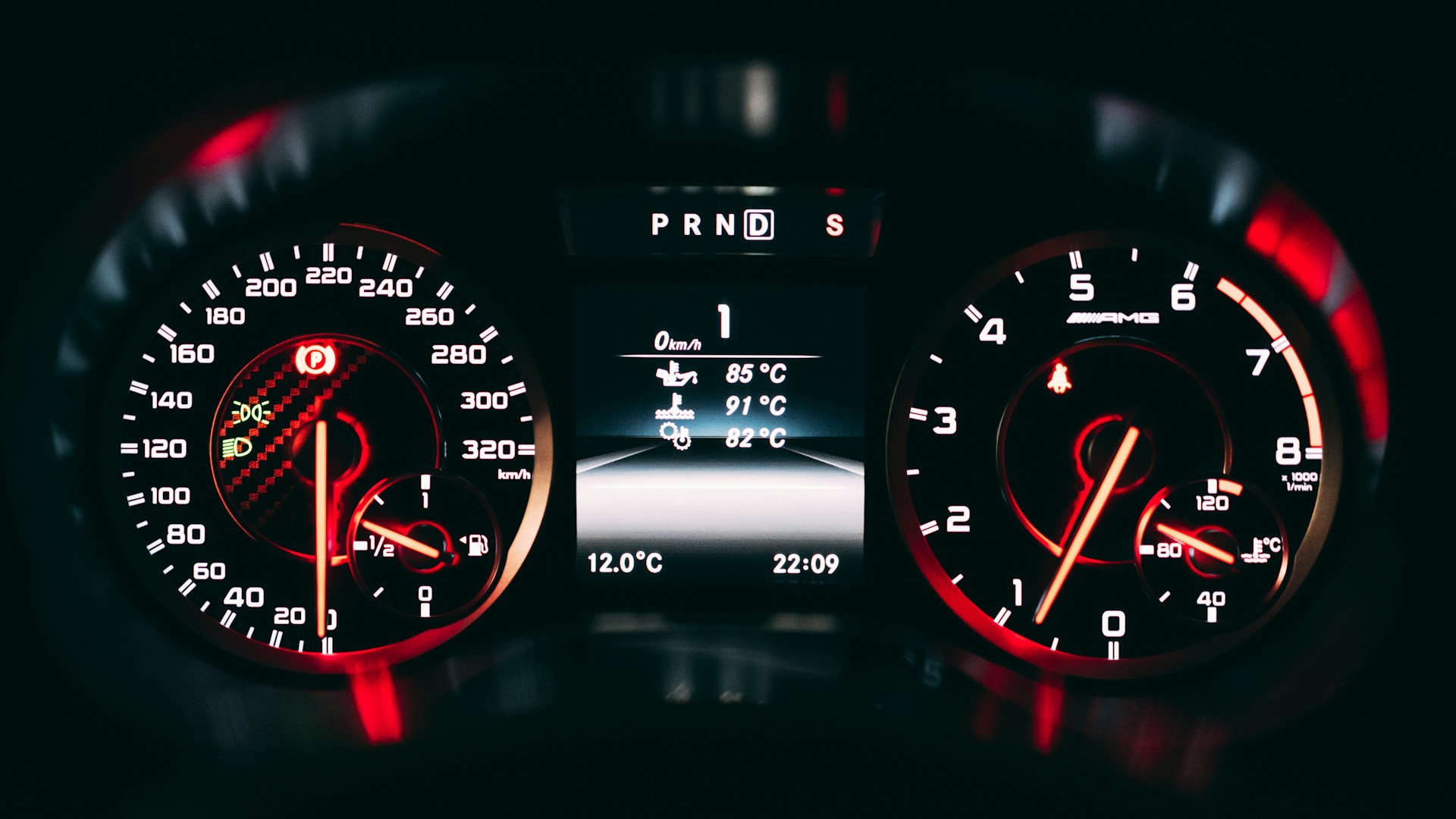
Odometer rollback is illegal under federal law, and selling a car with a falsified reading is fraud. That does not stop it from happening. Older mechanical odometers could be turned back by hand, and today’s digital ones can be altered with the right equipment. The good news is that the car itself, and the paperwork around it, usually tells a story that does not match the lie.
Why Mileage Matters So Much
Mileage drives value. It also signals how much life is left in the engine, transmission, suspension and brakes, and when big maintenance bills are likely to arrive. If the display says a car is barely broken in but the parts underneath are worn out, you may be paying for a fantasy and then paying again for repairs the fantasy said you would not need.
When the Car Does Not Match the Number
Start with your own eyes. A car with low miles should look and feel like it. Check these places and ask whether the wear fits the story.
- Pedals. Worn-smooth rubber on the brake, clutch or gas pedal on a car with supposedly tiny mileage is a mismatch.
- Steering wheel and shifter. A shiny, rubbed-down wheel or a cracked, faded shift knob suggests years of use.
- Driver seat. Sagging foam, worn side bolsters and frayed fabric or leather do not happen overnight.
- Tires and brakes. Check whether the tires are mismatched, very old or cheap, and see how the rotors and brake pads look.
- Underneath. Heavy rust, leaks and worn suspension parts do not fit a pampered, garage-kept car.
- Small details. Stone chips on the front end, a worn key, scuffed door sills and a tired trunk lip all add up.
One mismatch can have an innocent explanation. A pile of them is a pattern.
Follow the Paper Trail
Records are where rollbacks tend to fall apart, because the real mileage was written down in many places before anyone tampered with the dashboard. Ask the seller for every record they have and compare the dates and readings against the odometer.
- Service history. Receipts and shop invoices usually list mileage at each visit. A reading that goes up, then suddenly drops, is a serious red flag.
- Oil change stickers. The reminder sticker in the windshield corner often shows the mileage at the last service. Compare it with the dash.
- Title and registration. Mileage is recorded when ownership changes. See if the numbers climb in a believable way.
- Vehicle history report. Run the vehicle identification number, or VIN, through a reputable history service and look at the mileage readings reported over time. Inspections, registrations and service visits can all create entries. A reading that is higher than what the car shows now is a clear warning.
- Dealer and previous owner. If the car was bought new or serviced at a particular dealership, a call to the service department may confirm the history. Many dealers can look up records by VIN.
Mismatched Histories Are Another Trap
Rollbacks are only one way a history gets rewritten. Sometimes the story just does not line up. The seller says one owner, but the report shows several. The listing claims a garage-kept car from one part of the country, but the history shows it spent years somewhere else. The paperwork says routine maintenance was done, but the car has dirty fluids and worn-out belts. The VIN on the dash should match the VIN on the door jamb sticker, the title and the registration. If any of them disagree, stop and ask why before you spend a dime.
Also keep in mind that a clean report does not prove a clean car. Not every service visit or repair gets reported. Treat the report as one piece of evidence, not the final word.
Get an Independent Inspection
For any used car you are serious about, pay an independent mechanic you choose to look it over. A technician who has seen plenty of cars can tell when wear and mileage do not agree. They can spot fresh paint hiding repairs, replaced interior parts that were swapped to hide age, and components that have clearly been through a hard life. It is a small cost that can save you from a very large mistake.
If a Seller Gets Defensive
Pay attention to how a seller reacts to simple questions. An honest owner is usually proud to show records and happy to let you have the car checked. A seller who dodges, says the paperwork was lost, pushes you to decide quickly or refuses an inspection is showing you who they are.
If You Think You Have Been Cheated
If you buy a car and later find evidence that the mileage was falsified, gather everything you can: the listing, messages, bill of sale, service records and any inspection findings. Contact your state motor vehicle agency and consumer protection office, and consider talking with a consumer attorney. Odometer fraud is taken seriously under the law, and buyers do have options.
The takeaway is plain. Do not trust the number just because it is lit up in front of you. Make the car, the records and the history tell the same story, and if they do not, walk away.
More Stories You May Like
- Barn Find 1967 Shelby GT350 That Sat For More Than 37 Years Sells For $135,000 At A South Dakota Auction, And The Story Behind The Car Is Even Better Than The Price
- DIY Mechanic Compares Engine Oil Prices And Finds The Same Bottle At Home Depot Costs Thirteen Dollars Less Than At The Auto Parts Store Across The Parking Lot
- Mechanic’s Dad Crunched Two Years Of Repair Orders And Names The Five Most Expensive Vehicles To Fix Led By Jaguar At More Than Fifteen Hundred Dollars A Visit