

Everybody has gotten the call. The phone buzzes, a cheerful voice starts talking, and a few words in you realize nobody is actually on the line.
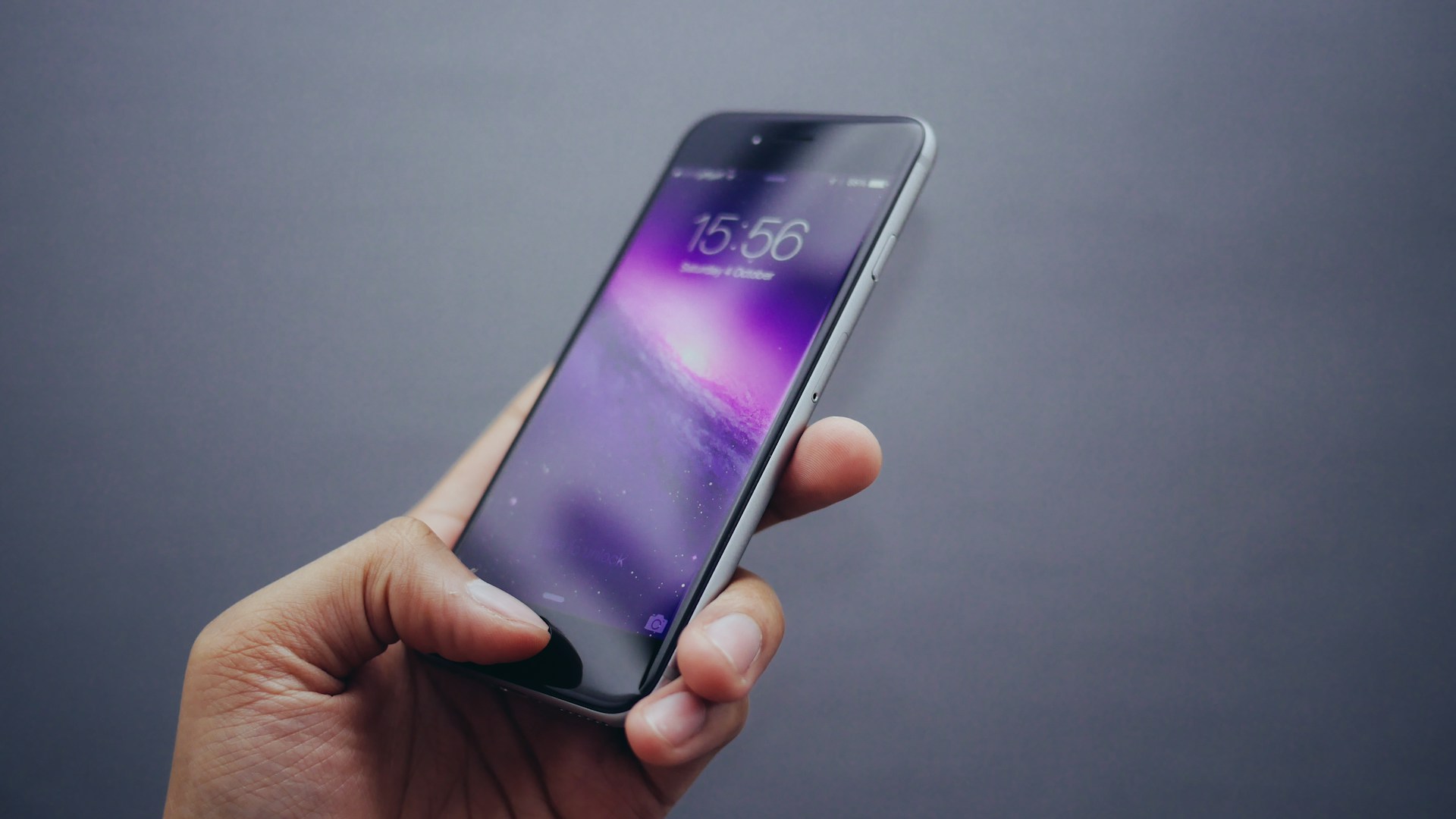
Jonathan Kamens of Massachusetts says he kept getting that call from a car dealership he has never done business with. Now he is asking a federal court to make it stop. The details were reported by Jalopnik.
Wrong Name, Wrong Customer, Same Pre-Recorded Pitch
Kamens has never been a customer at Cambridge Honda, and his cell phone number is on the National Do Not Call Registry. That did not stop the calls, according to his complaint.
The complaint describes an AI-generated caller with a “robotic and artificial voice” that greets him by the wrong name, “Timothy.” The voice then delivers a pitch that sounds like a friendly local salesman.
“Roger from Cambridge Honda. Reaching out because you’re one of our customers, and your car happens to be on a list of models we are looking to buy. If you’re open to an instant cash offer on your car, give me a call at (351) 300-0683. Thanks.”
Kamens says he was not a customer, and he says he has no interest in selling his car. He also says the calls were followed by texts from “Roger” inviting him to do exactly that.
He Called Back To Ask If Anyone Was Real, And The Voice Said It Was AI
Hoping for answers, Kamens dialed the number himself. A voice picked up, and he asked whether the person on the other end was real.
The voice told him it was AI. According to the report, a reporter at an automotive trade publication who called the same number got the same automated response.
A Class Action Aimed At Four Years Of Calls
Kamens did not file only for himself. He is seeking class-action status on behalf of everyone in the United States who received a pre-recorded message from Cambridge Honda on a cell phone over the past four years.
The lawsuit, filed in the U.S. District Court for the District of Massachusetts, says the dealership violated the Telephone Consumer Protection Act. It asks the court to certify the class, award damages and bar the dealer from “making calls, except for emergency purposes, to any cellular telephone numbers using an artificial or prerecorded voice in the future.”
The complaint argues that people who received the calls were “temporarily deprived of legitimate use of their phone because the phone line was tied up, they were charged for the calls and their privacy was improperly invaded.”
It also says the call injured Kamens because it was “frustrating, obnoxious, annoying and a nuisance and disturbed [his] solitude.”
The Dealer Is Not Talking
So far, Cambridge Honda has stayed quiet. A lawyer representing the store said she was not authorized to discuss the case.
For now, the claims are allegations in a complaint. No court has ruled on them, and a class has not been certified.
What The Law Says About Robocalls On Your Cell Phone
The Telephone Consumer Protection Act, often shortened to TCPA, is the federal law at the center of the case. In general, it restricts autodialed calls and calls using an artificial or prerecorded voice to cell phones unless the caller has the person’s permission. Emergency calls are among the exceptions.
In 2024 the Federal Communications Commission ruled that voices generated by artificial intelligence count as “artificial” under that law. That means a salesman made of software faces the same rules as a recording.
The law lets people sue, and statutory damages can run $500 per violation, or up to $1,500 if a court finds the violation was willful. Those numbers are the reason class actions over unwanted calls tend to get lawyers’ attention.
How To Protect Your Own Phone Without Hiring A Lawyer
A few habits can cut down on the nuisance, even if they cannot end it. None of them cost anything.
- Add your number to the National Do Not Call Registry at donotcall.gov. Legitimate businesses are expected to honor it, though scammers will not.
- Do not press buttons or play along with a recorded voice. Answering can mark your number as active.
- Keep a log of the date, time and number of each unwanted call or text, and save screenshots of the messages.
- Report unwanted calls to the Federal Trade Commission at ReportFraud.ftc.gov, and use your phone’s built-in blocking and spam filtering tools.
- Reply STOP to a text only when you recognize the sender. Replying to unfamiliar numbers can confirm yours is real.
Records matter if you ever do decide to take action. Kamens’s complaint is built on the details of specific calls, a specific script and a specific number, the kind of evidence that anyone with a similar gripe should start collecting.
Dealers Want Your Car, But You Can Still Say No
Used car supply has been tight in recent years, and it is common for dealers to chase trade-ins by mail, text and phone. If you do want an offer on your car, you can ask for one on your own terms and compare it against what other buyers offer.
If you do not, you are allowed to say so, hang up and block the number. And if a business keeps calling after you have told it to stop, or after your number was already on the do-not-call list, you have options.
Whether Cambridge Honda’s calls broke the law is now a question for a federal judge. For one Massachusetts man, the real issue is simpler: he never asked “Roger” to call, and he wants the calls to end.
More Stories You May Like
- 8 Silent Battery Drains That Can Leave A Car Dead In The Driveway, From Plugged In Gadgets To A Key Fob Parked Too Close
- Truck Keeps Running Rough After A New Fuel Filter, Spark Plugs And A Full Valve Job, Then The Mechanic Fixes It By Pushing One Loose Coil Wire Back On
- Battery Problems And Towing Make Up Roughly 74% Of The Over 27 Million Roadside Calls AAA Answered In 2024, So A Little Maintenance Goes A Long Way