

Nobody plans to spend a Tuesday morning on the shoulder of the highway with the hazards blinking. But it happens to millions of drivers every year, and the reasons are far less exotic than you might think. According to a release from AAA dated April 1, 2025, the two biggest culprits behind breakdown calls are the ones most of us can do something about: dead batteries and cars that need a tow.
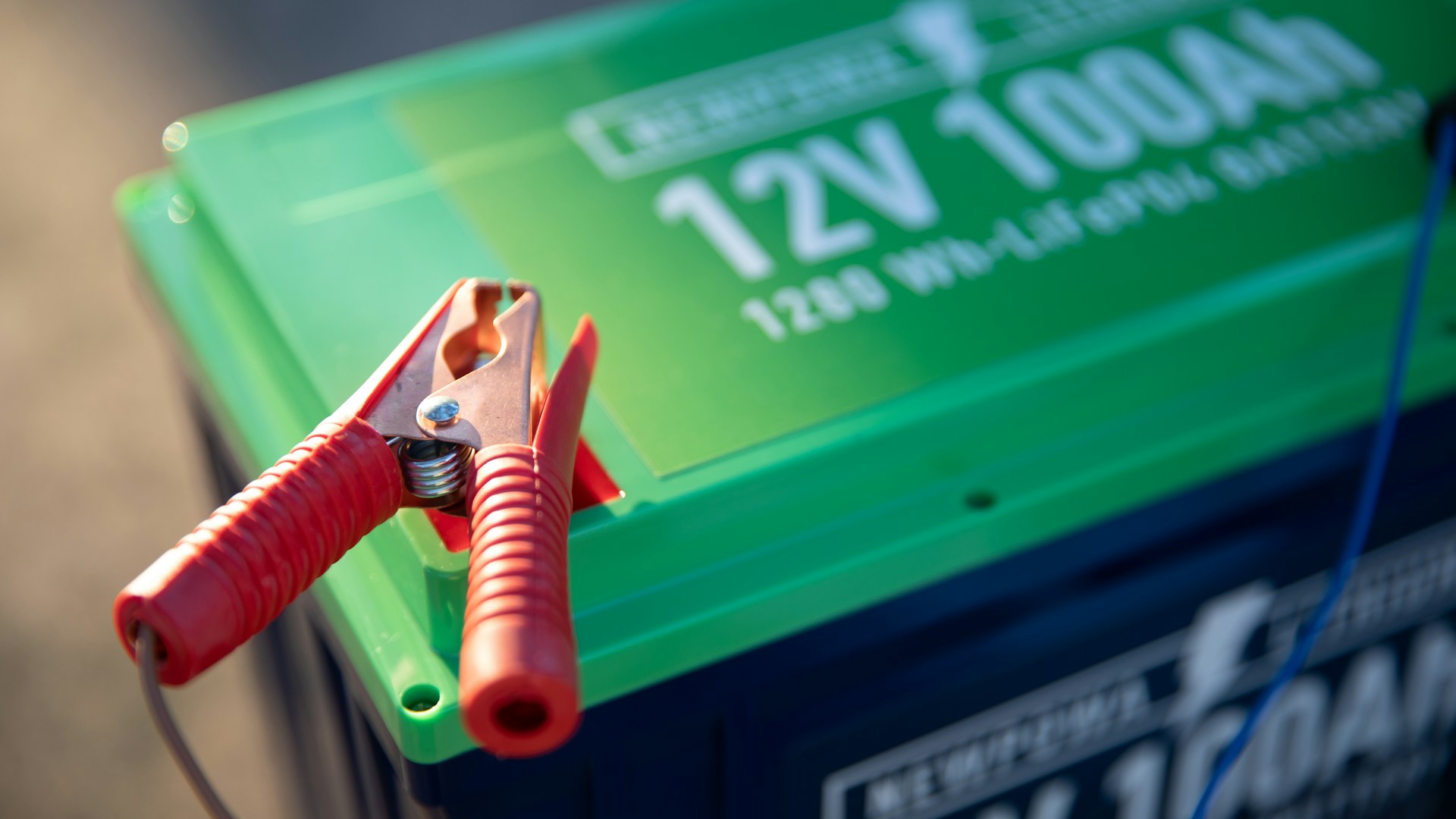
AAA said it answered more than 27 million roadside calls in 2024. Of those, towing accounted for about 13 million and battery trouble for about 7 million. Add those two together and they make up roughly 74 percent of all the calls AAA took that year. Put another way, close to three out of every four drivers who picked up the phone for help were dealing with a car that would not start or a car that could not be driven.
That is a big number, and it tells a pretty simple story. The headline problems are not mysterious engine failures or freak accidents. They are the everyday wear and tear that builds up when a car is ignored.
The Battery Is The Usual Suspect
About 7 million battery calls in a single year is a lot of folks sitting in a driveway or a parking lot listening to a car click and groan. Anyone who has been there knows the sinking feeling.
A car battery does not announce its retirement with a speech. It usually gets a little slower to crank, a little weaker on cold mornings, and then one day it simply quits, often at the worst possible moment. The good news is that a battery is one of the easiest parts of a car to check. Most auto parts stores and repair shops will test one quickly, and many will do it for free or for very little. If your battery is getting on in years, replacing it on your own schedule beats replacing it on the side of the road, in a hurry, at whatever price someone quotes you.
A few other simple habits help too. Keep the terminals clean and tight, and look for fuzzy buildup around the posts. Do not let a car sit for weeks without being started. And do not ignore that slow, tired crank. It is your car trying to tell you something.
Why So Many Tows
Towing was the single largest category, at about 13 million calls. A tow is the end of the line: something happened that the driver could not fix on the spot. Sometimes that is a flat tire with no spare, sometimes an overheated engine, sometimes a part that finally gave out.
Many of those situations trace back to basics. Worn tires, low coolant, old belts and hoses, and neglected brakes are all things a routine inspection can catch before they strand you. Your owner’s manual lists the service your car needs and when, and following it is the cheapest roadside insurance there is.
AAA has also pointed to age as a factor. In an older AAA release from April 2018, based on 2017 data, the club reported that vehicles ten years old or more were four times more likely to need a tow. That is older data, but it fits common sense. The longer a car has been on the road, the more it needs a careful eye. It does not mean an older car is doomed. It means an older car deserves a little more attention, not less.
What About Electric Vehicles
Since electric vehicles are in the news so much, it is worth noting what AAA reported there. The club estimated about 215,000 calls for electric vehicles in 2024, which works out to roughly 0.8 percent of its roadside calls. That is a small slice of the total, and it is a reminder that these calls come from a mix of every kind of car on the road, with traditional gas vehicles making up the bulk of the workload.
A Short Maintenance Checklist
You do not need to be a mechanic to stay off the tow truck list. Here is a practical routine any driver can follow.
- Get the battery tested. Do it before winter and before long summer road trips, especially if the battery is not new.
- Check your tires. Look at the tread, check the pressure with a gauge, and make sure you actually have a usable spare or inflator kit.
- Look under the hood once a month. Check coolant and oil levels, and glance at belts and hoses for cracks or bulges.
- Follow the owner’s manual. Service on schedule instead of waiting for a warning light to nag you.
- Pay attention to changes. New noises, a new smell, a longer crank, or a dashboard light are the car asking for help early.
- Keep an emergency kit. A flashlight, a phone charger, water, and a blanket make a bad wait a lot more bearable.
The Bottom Line
When roughly three quarters of the calls AAA answered come down to batteries and tows, the message is hard to miss. The most common reasons for a breakdown are also the most preventable ones. A battery test, a tire check, and a look at the service schedule take less time than a single wait for a truck to arrive.
So skip the gamble. Spend a little time on your car now, and you stand a much better chance of spending your next Tuesday morning right where you meant to be.
More Stories You May Like
- Owner Calls His 2026 Toyota Sequoia the Worst Toyota He Has Ever Owned and Is Selling It and Tells Why
- Five Car Parts Every Driver Should Check At 25,000 Miles Before Small Sensor Problems Turn Into Hard Starts, Rough Idling And Stalling
- Mechanic Shares the Five Second Test That Tells You If Your Auto Shop Is Lying, and Says If They Refuse It You Should Grab Your Keys and Run