


The automotive industry faces a significant shift as federal regulators debate new fuel economy standards that could fundamentally alter how SUVs and crossovers are classified and regulated. A new proposal from NHTSA would move crossovers and SUVs from the light truck category to passenger vehicles, making it harder for automakers to meet fuel efficiency requirements in both segments. The change comes as fuel economy standards finalized in 2024 already require passenger cars to increase efficiency by 2% per year from 2027 to 2031.
The debate has intensified as some lawmakers push to weaken enforcement of these rules. Republicans have proposed legislation that would set fuel economy penalties to zero, effectively eliminating the financial consequences automakers face for missing efficiency targets. This has created uncertainty about whether the standards will carry any real weight going forward.
The proposed changes have divided stakeholders across the industry. Automakers, environmental groups, and unions all have different concerns about how the reshuffled rules for SUVs and crossovers could impact vehicle pricing, consumer choice, and manufacturing jobs. The outcome of these debates will shape what kinds of SUVs Americans can buy for years to come.
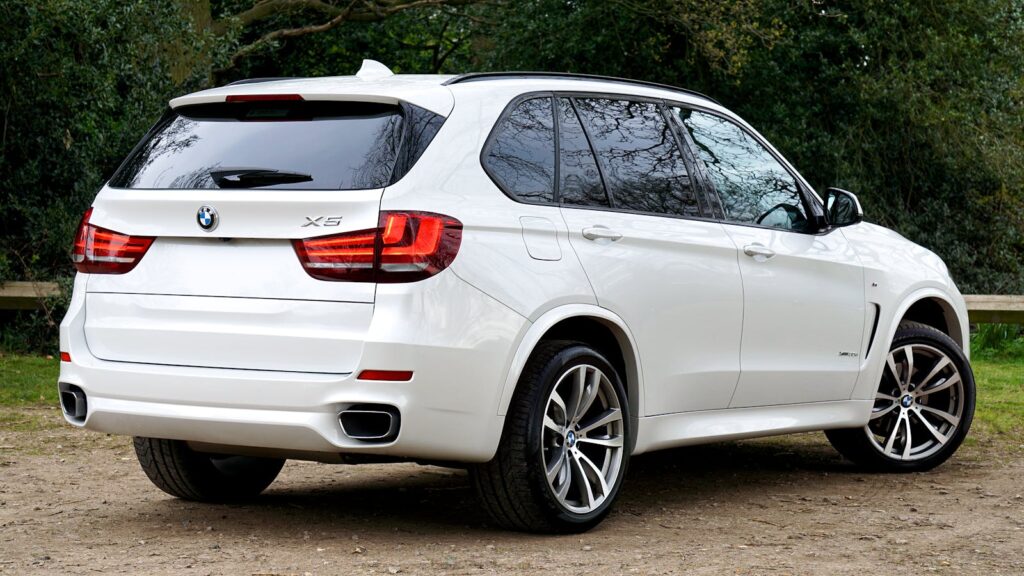
How the New Fuel Economy Rules Could Change the SUV Landscape
The fuel economy standards currently being debated would mark a significant shift in how automakers build SUVs and trucks, with changes to classification systems and efficiency targets that could fundamentally alter the vehicles Americans can buy. The Trump administration is planning to reduce corporate average fuel economy standards to 34.5 miles per gallon by 2031, a major rollback from Biden-era targets.
Key Differences from Previous Standards
The Biden administration had finalized tighter vehicle fuel economy rules that would have increased Corporate Average Fuel Economy requirements to about 50.4 miles per gallon by 2031 from 39.1 mpg. Those rules required passenger cars to improve fuel economy by 2% per year from 2027-2031.
Light trucks faced a different timeline under those standards. The National Highway Traffic Safety Administration set no increases for light trucks in 2027 and 2028, then required only 2% annual improvements from 2029 through 2031.
The proposed Trump-era changes would lower the bar significantly. Instead of pushing toward 50.4 mpg, the new target sits at 34.5 mpg by 2031—barely above current requirements.
How Reclassification Will Impact SUVs and Crossovers
SUVs and crossovers fall under the light truck category in CAFE standards, which has historically given them more lenient fuel economy targets than passenger cars. The classification system determines which vehicles face stricter or more relaxed requirements from the Department of Transportation.
Under the Biden rules, NHTSA had noted that automakers said they “cannot stop manufacturing large, fuel-inefficient light trucks while also transitioning to manufacturing electric vehicles.” That acknowledgment led to the delayed timeline for light truck improvements.
The rollback being debated would give manufacturers even more breathing room to continue producing gas-guzzling SUVs. With America now effectively having no fuel economy rules due to eliminated enforcement penalties, automakers face little pressure to downsize or improve efficiency in their SUV lineups.
Implications for Gas-Powered Cars and Trucks
Gas-powered cars and trucks could see dramatically different futures depending on which standards take hold. The stricter Biden-era rules had projected $14 billion in fines for the industry over five years, with the Detroit Three facing the bulk of penalties.
Those potential costs pushed automakers to invest in more efficient engines and lighter vehicles. The final rule reduced expected fines to just $1.83 billion from 2027-2031.
Now, with federal fuel economy standards losing their enforcement teeth, manufacturers have less incentive to improve traditional internal combustion engines. The Trump administration plan to lower fuel rules aims to make cars more affordable by reducing compliance costs, though this could mean larger, thirstier vehicles remain the norm for years to come.
Heavy-duty pickup trucks and vans face separate requirements, with rules calling for 10% annual fuel efficiency increases from 2030-2032. Those standards remain in place for now, creating a split between different vehicle categories.
Stakeholder Reactions and What’s at Stake
The elimination of CAFE penalties through the One Big Beautiful Bill Act has created sharp divisions across the auto industry, consumer advocates, and political parties, while the Trump administration’s efforts to roll back fuel economy standards have added another layer of uncertainty for manufacturers already navigating a complex transition.
How Automakers and the Auto Industry Are Responding
Automakers find themselves in a tricky position. The Alliance for Automotive Innovation, which represents major manufacturers, has expressed concerns about the regulatory whiplash created by shifting standards every few years.
Some companies had already committed billions to electric vehicle development under Biden-era standards that required 2% annual fuel economy increases for passenger cars through 2031. Ford CEO Jim Farley and other executives had built long-term production strategies around meeting these requirements.
The rollback adds uncertainty to investment decisions as companies wonder whether to continue pursuing aggressive fuel efficiency targets or pivot back toward traditional vehicles. Manufacturing plans typically span multiple years, making sudden policy changes particularly disruptive. Some manufacturers view the penalty elimination as relief from costly fines, while others worry about losing competitive advantage if they’ve already invested heavily in efficiency improvements.
Consumer Impacts: From Costs to Clean Transportation
Transportation Secretary Sean Duffy has called Biden-era rules “illegal,” but consumer advocates point to potential impacts on fuel costs and clean transportation goals. The original 2024 standards projected savings of over $600 per vehicle in fuel costs by 2031.
Without enforcement penalties, manufacturers face less pressure to improve vehicle efficiency. This could mean consumers pay more at the pump over a vehicle’s lifetime, particularly for SUVs and light trucks that had lower improvement requirements under the old rules.
Environmental groups like the Sierra Club argue the changes undermine progress toward cleaner cars and reduced tailpipe emissions. They contend that weaker standards will increase air pollution and greenhouse gas emissions at a time when climate concerns remain pressing for many Americans.
The Debate Over Electric Vehicles, Regulatory Credits, and Emissions
The penalty elimination has significantly disrupted the market for regulatory credits. Companies like Tesla that overachieved on fuel economy previously sold credits to manufacturers falling short of requirements. Without penalties for noncompliance, these credits lose much of their value.
Electric vehicles played a central role in how manufacturers calculated fleet averages. The Trump administration has questioned whether standards should account for EVs based on their petroleum-equivalent fuel economy values.
Between 2011 and 2020, manufacturers paid over $1.1 billion in CAFE penalties, though most companies used credits rather than paying fines directly. That credit trading system now faces an uncertain future, potentially affecting EV manufacturers’ revenue streams and traditional automakers’ compliance strategies.
Political Ramifications and the Role of Recent Legislation
The One Big Beautiful Bill Act, enacted July 4, 2025, set maximum civil penalties to $0.00 for fuel economy violations. Republicans framed this as ending burdensome regulations, while Democrats criticized it as abandoning 50 years of energy policy established after the 1970s energy crisis.
OMB and other federal agencies must now navigate implementing standards that remain on the books but carry no enforcement teeth. The law isn’t retroactive, so manufacturers still owe penalties already incurred.
California and other states are challenging Congressional Review Act resolutions that disapproved California’s Clean Air Act preemption waivers from the Biden administration. These legal battles could determine whether states retain authority to set their own emissions standards stricter than federal requirements. A future Congress could restore penalties without reenacting the entire CAFE statute, leaving manufacturers uncertain about long-term regulatory direction.
More from Steel Horse Rides: