

Porsche is quietly building 15 one-off cars for ultra-wealthy customers, almost entirely from scratch. One of them could cost as much as $15 million.
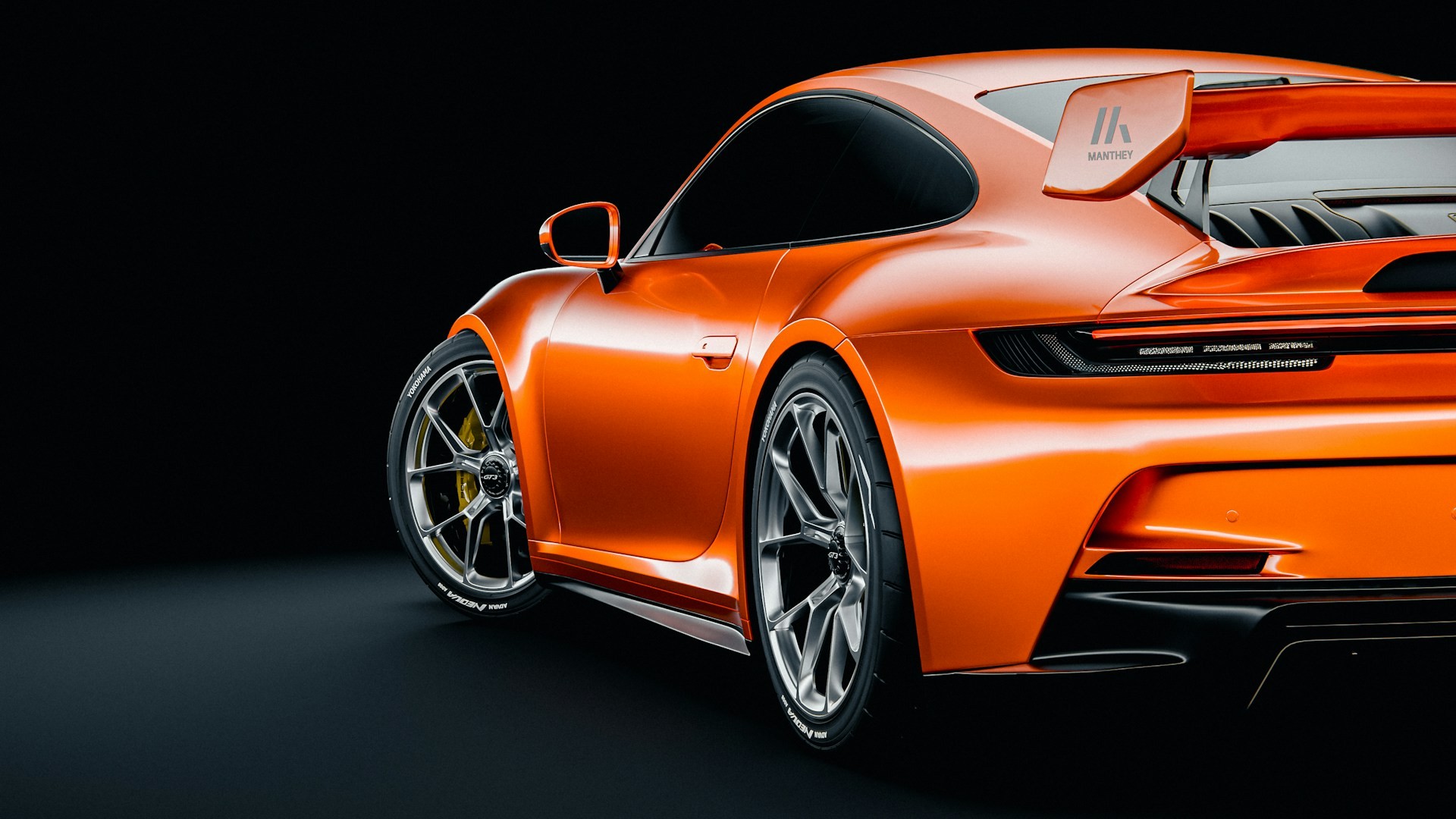
The cars come from Porsche’s Sonderwunsch division, a name that is German for “special request.”
Report: Supercar Blondie
Prices Run From Nearly $2 Million To $15 Million
According to Alexander Fabig, Porsche’s Vice President of Individualisation and Classic, each car costs at least seven figures. Prices range from nearly $2 million to $15 million.
The cars are presumably based on the 911 and the Porsche Mission S. No release date has been announced, and the finished cars may arrive in two or three years.
Factory Engineers Redesign Everything
Factory engineers redesign body panels, modify chassis and tailor drivetrains. The report compares the approach to the coachbuilders of the pre-war era, when wealthy customers ordered a chassis and had a specialist build the body.
It is a throwback, and one that only a few brands can afford to revive.
A Sonderwunsch Timeline
In 1975, Porsche designed a road-legal 917 “Kurzheck” for a customer. In 1978 it formally created the Sonderwunschabteilung, or Special Request Department, in Zuffenhausen.
In 1983 it unveiled the 935 Street, built for TAG founder Mansour Ojjeh. In 1989, the Royal Family of Qatar took delivery of a bespoke 959.
The department was rebranded in 1986 as Porsche Exclusive, which focused mainly on standardized option packages alongside custom builds.
The Program Returned In 2021
In 2021, Porsche reinstated the Sonderwunsch program with three levels. They are Factory Commission, Factory Re-Commission and Factory One-Off.
The new batch of 15 sits at the top of that ladder.
Restoring Classics For $800,000 And Up
Porsche’s factory re-commissioning program charges more than $800,000 to restore and re-engineer classics such as the V10-powered Carrera GT. The company has also restored a first-generation Cayenne.
The prices show how much money is available for rare cars. A bespoke Porsche is a status symbol, an art object and an investment all in one.
What Coachbuilders Did Before Factories Took Over
In the early days of motoring, a rich buyer often bought a bare chassis with the engine and running gear. A coachbuilder then made the body and interior to the owner’s taste, so no two cars looked alike.
That tradition faded as factories began producing complete cars, but it never entirely vanished. Porsche’s Sonderwunsch work is a modern echo, with factory engineers in place of outside body shops.
The comparison to pre-war builders also tells us how personal the process is. Customers sit down with designers, choose their details and see their ideas turned into metal.
Why Porsche Starts With The 911
The 911 has been Porsche’s backbone since the 1960s, and it is the car most buyers think of when they hear the name. Basing a one-off on that design lets the company keep a family resemblance.
The Mission S is the electric concept the report also names as a possible starting point. If so, the one-offs could include both gas and electric ideas.
Two Or Three Years Is A Long Wait
Because these cars are built almost entirely from scratch, the engineering takes time. Body panels, chassis changes and drivetrain tuning must all be designed, tested and approved.
That explains why the finished cars may take two or three years to appear. For customers spending this kind of money, the wait is part of the experience.
The 1975 917 And Other Special Orders
Porsche has built special cars for customers before. The road-legal 917 Kurzheck from 1975 turned a famous race car into something that could be driven on the street.
The 935 Street built for Mansour Ojjeh and the bespoke 959 delivered to the Qatari royal family show that Porsche has long catered to very wealthy fans.
The 15 new cars continue that story, with the company’s modern tools and a much bigger price tag.
Why Automakers Chase Super Wealthy Buyers
Special-order programs let automakers earn big profits from a small number of buyers. They also create halo cars that make the brand more exciting for everyone else.
Most of us will never place an order like that. But the same ideas appear in everyday car buying, where options, trim levels and accessories let buyers customize their vehicles.
How To Customize Your Own Car Without Overpaying
Decide which options you will truly use. A warm seat package may be worth it in cold climates, while a fancy sound system may not matter to you.
Ask which options hold their value. Safety features, popular colors and well-known packages tend to help a car sell later.
Compare factory options with aftermarket alternatives. Sometimes a dealer-installed accessory costs far more than the same item bought elsewhere, but check how it affects your warranty.
Negotiate each item. Dealers often have more room on accessories and add-ons than on the base price.
Keep paperwork for every option. If you sell the car, a window sticker that lists the options proves the value.
And remember, a car you love and drive often is worth more to you than any collector’s label.
More Stories You May Like
- Dish Soap, Dirty Towels And Sun Baked Paint Are Quietly Scratching And Dulling Your Car, So Stop Making These Washing Mistakes In The Driveway
- Shops Can Charge Far More Than The Part Costs To Swap A Cabin Air Filter You Could Replace In Minutes Yourself, So Know The Upsell Before You Say Yes
- There Is A Free Recall Fix Waiting On Some Cars That Owners Never Check For, And All It Takes Is Entering Your VIN On The NHTSA Website To Find Out