

The car looks great. The paint shines, the interior is clean, the test drive felt smooth, and the price is lower than you expected. The seller is friendly and says it has been a perfect car. You are already picturing it in your driveway. And then comes the question that separates the smart buyers from the sorry ones: will you pay an independent mechanic to look at it first?
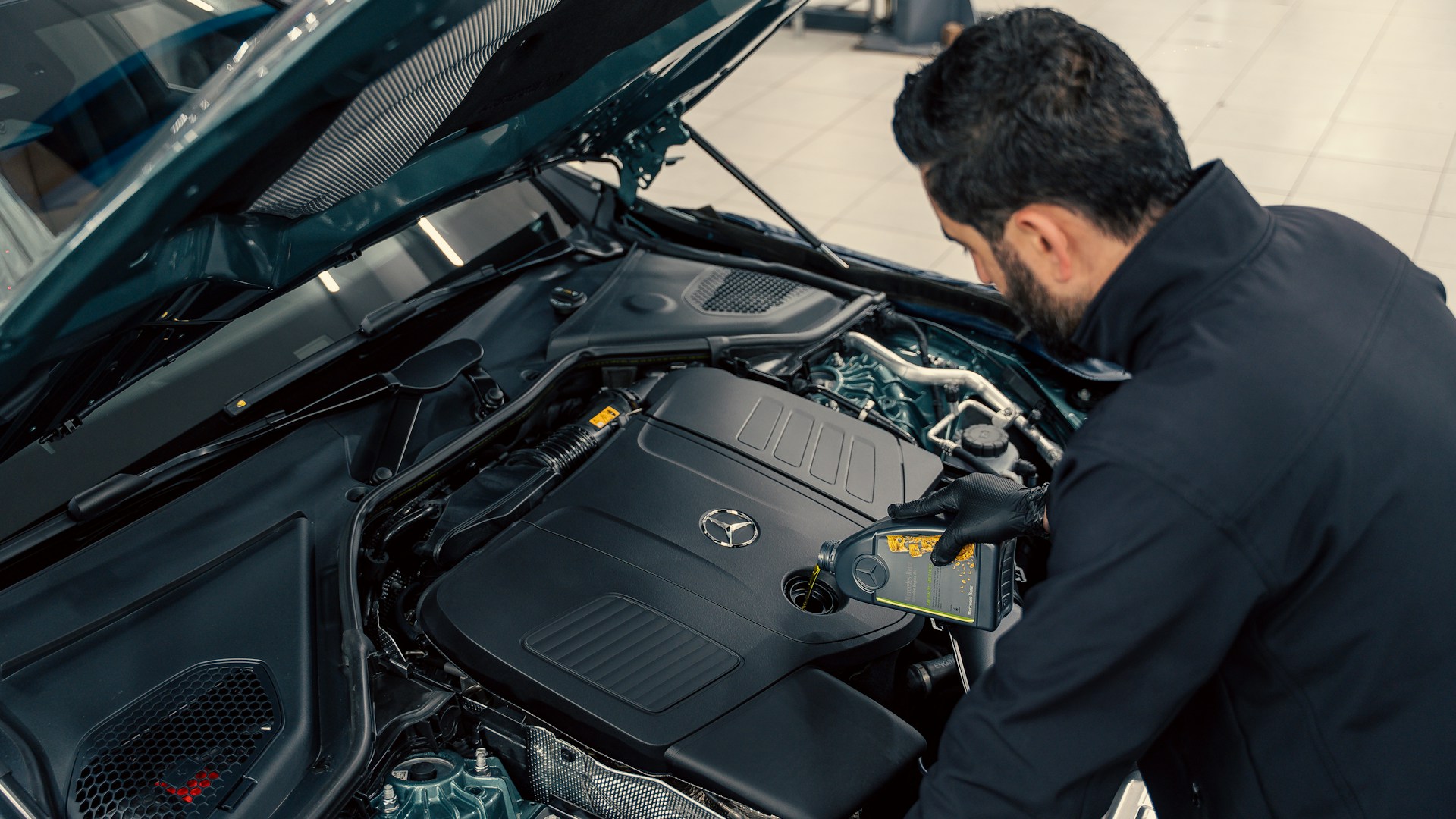
Plenty of people skip that step. They feel confident, they do not want to spend the money, or they worry about losing the deal. And plenty of those same people end up with a great deal that turns into a money pit.
Why A Good Deal Can Go Bad
A used car is a bundle of unknowns. You are buying someone else’s driving habits, someone else’s maintenance record and, sometimes, someone else’s hidden problems. A shiny exterior can be polished up in an afternoon. What is underneath, in the frame, the engine, the transmission and the brakes, takes a trained eye to judge.
A car that drives fine around the block may still have problems that only show up on a lift. Worn suspension parts, leaks, rust in places you cannot see, signs of an old accident and trouble that comes and goes can all hide from an ordinary test drive. And once you drive away, any problem is yours.
Many used cars are sold as they are, which generally means the seller is not responsible for repairs after you buy. So the time to find out about a problem is before the money changes hands, not after.
What A Pre-Purchase Inspection Is
A pre-purchase inspection is exactly what it sounds like. You pay a mechanic to go over the car thoroughly before you commit. The key word is independent. That means a shop you pick, with no ties to the seller. It is not the seller’s buddy, and it is not the dealership trying to sell you the car. You want someone whose only interest is giving you an honest report.
A good inspection usually includes putting the car on a lift to look at the underside, checking for leaks and rust, looking over the frame and suspension, examining the brakes, tires, belts and hoses, and testing the electrical and cooling systems. Many shops can also scan the car’s computer for stored trouble codes and take it for a drive to listen for noises or problems.
What The Inspection Does For You
There are three ways an inspection can pay off, and all of them are wins.
- It can save you from a bad car. If the mechanic finds serious damage or a major repair looming, you can walk away before you spend a dollar on the car.
- It can help you negotiate. If the car is mostly good but needs a few repairs, you have a written list to bring to the seller. You can ask for a lower price or ask them to fix the problems.
- It can give you peace of mind. If the car checks out, you can buy it knowing what you have and what to expect.
In every one of those cases, the cost of the inspection is small compared to the cost of being wrong.
The Red Flag You Should Never Ignore
Here is a test that costs nothing. Tell the seller you would like to have the car inspected by your own mechanic. A seller with nothing to hide should say yes. If the seller refuses, makes excuses, insists you must decide today or says the car cannot leave the lot, take that as a serious warning. Honest sellers are usually happy to prove their car is solid. A seller who will not allow an inspection is telling you something, and you should listen.
Do More Than One Check
An inspection works best as part of a bigger plan.
- Get a vehicle history report. It can reveal reported accidents, title problems and other past issues. Keep in mind that not every problem gets reported, so it does not replace an inspection.
- Take a proper test drive. Drive on city streets and the highway. Listen for noises, feel for shaking and try all the controls.
- Ask for service records. A seller who kept good records is a good sign. A seller with none is not proof of trouble, but it means the inspection matters even more.
- Find your own shop. Look for a well reviewed independent mechanic, and ask if they do pre-purchase inspections. Call ahead and ask what the inspection covers.
- Be ready to walk away. There are plenty of used cars out there. Do not let excitement make the decision for you.
Even Certified Does Not Mean Skip It
If you are looking at a certified pre-owned car from a dealership, you may feel an inspection is unnecessary because the dealer has already checked it. Certification programs vary, and the people running them are also the people selling you the car. Having your own mechanic look it over can still be a smart second opinion, and an honest dealer should not object.
The Cheapest Insurance You Will Buy
Think of an inspection as insurance. You pay a small amount up front to avoid a large and painful surprise later. If the car is as good as the seller says, you have lost very little. If it is not, you just saved yourself from a headache that could have lasted for years.
So the next time you fall in love with a used car, take a breath, call a mechanic you trust and get it checked. A great deal is only great if the car holds up after you drive it home.
More Stories You May Like
- Car Buying Expert Lists The Sleazy Dealership Tricks That Take Advantage Of Shoppers From Add Ons On The Final Paperwork To Forcing You Into Their Financing
- Truck Shop Mechanic Names The One Modification Nobody Should Ever Make And Says It Destroys Wheel Bearings And Wears Out Suspension Faster
- Car Buying Coach Says Never Buy A Car Until The Last Three Business Days Of The Month, And Explains The Sales Targets Dealerships Do Not Advertise