
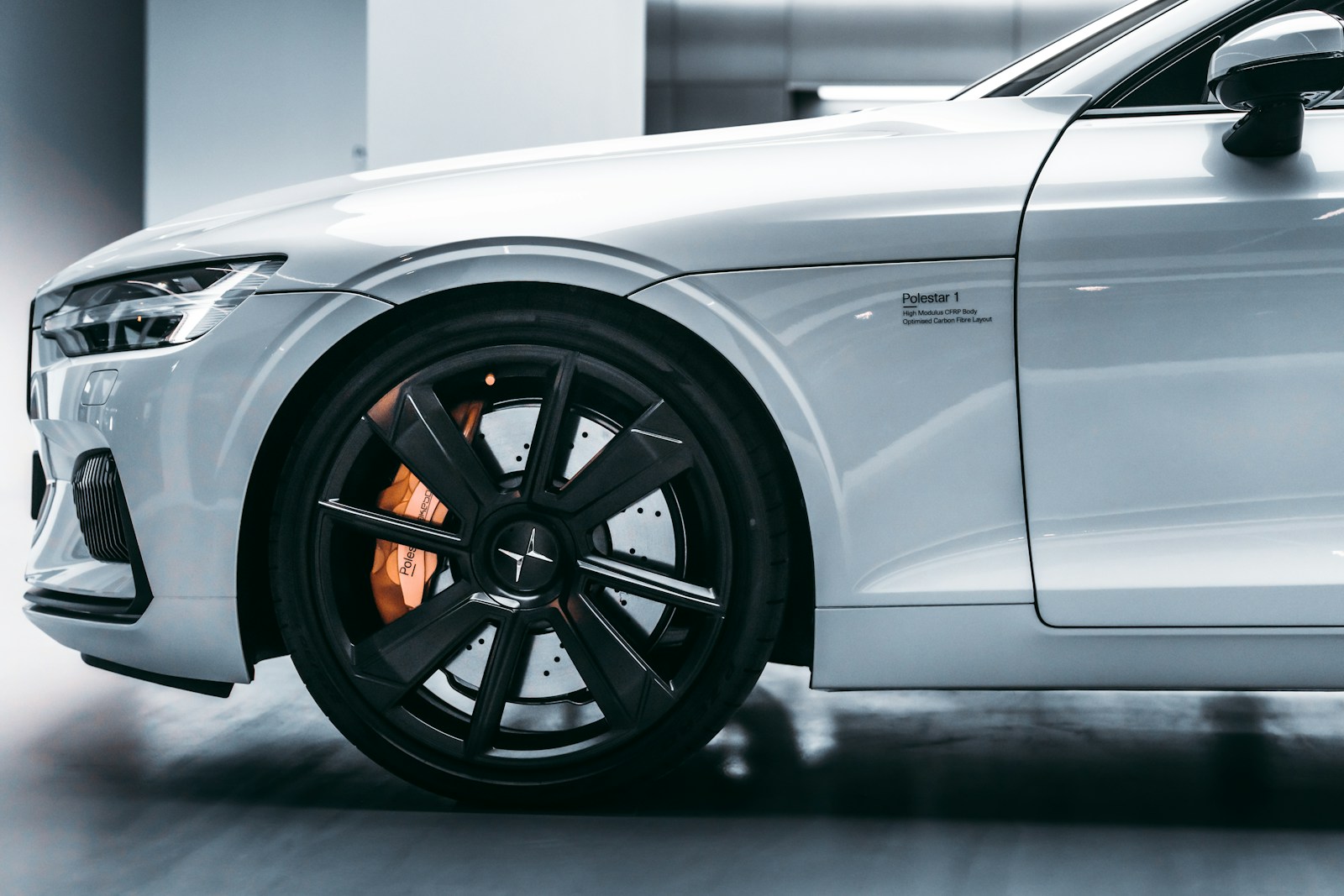

The automotive landscape is undergoing a dramatic transformation that could claim several storied brands before the decade ends. Industry analysts have identified at least eight to thirteen car manufacturers facing serious survival challenges in the U.S. market, with Chrysler, Fiat, Infiniti, Jaguar, and Polestar among those categorized as critical cases. The last quarter-century already wiped out Plymouth, Oldsmobile, Mercury, Saturn, Pontiac, and Saab from American roads.
The warning signs are impossible to ignore. Some brands are selling fewer than 10,000 vehicles annually in a market where competitors move hundreds of thousands. Stellantis CEO Carlos Tavares bluntly told brand leaders that if they don’t make money, the company will shut them down.
The pressure comes from multiple directions at once. Chinese automakers are flooding global markets with affordable electric vehicles while legacy brands struggle to pivot from combustion engines. Add in changing consumer preferences, massive required investments in electrification, and brutal competition from well-funded rivals, and the math simply doesn’t work for everyone. Several iconic names that enthusiasts grew up admiring now face existential questions about their next twelve months, let alone the next decade.
Which Car Brands Are at Risk According to Industry Experts?
Several automakers face mounting pressures from declining sales, expensive electric vehicle transitions, and shifting consumer preferences. Swedish brands Volvo and Polestar have emerged as particularly vulnerable cases that industry watchers are monitoring closely.
Key Factors Threatening Car Brands’ Survival
The automotive industry is experiencing multiple simultaneous challenges that are pushing some manufacturers toward potential collapse. Sticky inflation and the messy EV transition are colliding with changing consumer tastes to create a perfect storm for struggling brands.
Financial losses represent one of the most immediate threats. Many brands are pouring billions into electric vehicle development while traditional combustion engine sales decline faster than anticipated. This creates a dangerous cash flow situation where companies must fund expensive new technology before their EV investments generate profits.
Tariffs and collapsing sales have intensified pressure on brands already operating on thin margins. Consumer loyalty has become increasingly fragile when prices climb or new models fail to meet expectations. Brands that can’t adapt quickly to these market shifts find themselves losing ground to more agile competitors.
Notable Examples: Volvo, Polestar, and More
Volvo Car AB and its electric subsidiary Polestar have recently faced significant financial headwinds. The Swedish brand took a substantial Polestar writedown after the EV maker struggled to gain traction in the competitive global auto market.
Despite launching new models like the EX90 and EX30, Volvo Car has found the transition from its traditional luxury positioning to mass-market electrification more challenging than anticipated. Former CEO Håkan Samuelsson led the brand through its initial EV push, but execution difficulties have mounted under current leadership.
Polestar’s struggles highlight how even brands backed by established manufacturers can face extinction when electric vehicle sales don’t meet ambitious projections. The Swedish brand’s premium pricing strategy hasn’t resonated as strongly as hoped with consumers still hesitant about EV adoption costs.
Other manufacturers mentioned by automotive expert Doug DeMuro as facing potential failure include several long-standing companies that have lost market relevance. Chrysler faces particular scrutiny, with experts noting it may require major restructuring to survive without strong sales growth or compelling new offerings.
The Forces Reshaping the Auto Industry Over the Next Decade
The automotive sector faces unprecedented change driven by rapid electrification, intensifying global competition from Chinese manufacturers, and breakthrough technologies that are redefining vehicles themselves. These shifts are creating winners and losers, with some brands positioned to thrive while others struggle to adapt.
Electrification and the Shift to Electric Cars
The transition to electric cars represents the most fundamental change in automotive manufacturing since the assembly line. Industry analysts predict that battery electric vehicles will capture 71 percent of the global market by 2040, with an additional 20 percent going to plug-in hybrids.
This electrification strategy demands massive capital investment that not all brands can afford. Traditional automakers must simultaneously maintain their existing combustion engine businesses while building entirely new electric platforms. The costs are staggering—developing new electric architectures, retooling factories, and securing battery supply chains.
Brands that fail to execute their electrification plans risk becoming irrelevant. Some manufacturers are hedging their bets with plug-in hybrids as a transitional technology, but the market is moving decisively toward full battery-electric powertrains.
Chinese EV Makers and the Global Competition
Chinese automakers have emerged as formidable competitors in the electric vehicle space. BYD has become the world’s largest EV manufacturer, while newcomers like Zeekr and tech giant Xiaomi are launching competitive electric models at prices Western brands struggle to match.
Companies like Geely Automotive Holdings, led by billionaire Li Shufu, have expanded through strategic acquisitions of Western brands. This Chinese ownership has given struggling European manufacturers access to capital and electric vehicle technology, though it raises questions about long-term independence.
The response from Western markets has been protective. Tariffs on Chinese-made vehicles have increased substantially in Europe and North America, creating barriers but also buying time for domestic manufacturers to catch up. However, Chinese EV makers are expanding production facilities in other regions to circumvent these trade barriers.
Technology Disruption: Autonomous Driving, Data Security, and More
Autonomous driving technology continues advancing, though full self-driving remains years away from widespread adoption. The race to develop autonomous drive capabilities requires partnerships between automakers and tech companies, creating dependencies that traditional manufacturers find uncomfortable.
Data security has become critical as vehicles evolve into connected devices. Modern cars collect vast amounts of driver and location data, raising privacy concerns and regulatory scrutiny. Brands must invest heavily in cybersecurity infrastructure to protect against hacking and data breaches.
The shift toward software-defined vehicles on a global architecture means cars now receive over-the-air updates like smartphones. This requires entirely new competencies that traditional automakers historically lacked, forcing them to hire thousands of software engineers and rethink their product development cycles.
More from Steel Horse Rides: