


You’re likely paying less at the pump over time, but your share of road funding isn’t disappearing — it’s shifting. States are increasingly testing or adopting per‑mile driving fees to replace shrinking gas tax revenue, and that change will affect how much you pay, how privacy is handled, and which trips get taxed.
This post explains why lawmakers are moving away from fuel taxes, how per‑mile systems actually work, and what the shift means for your pocketbook and daily travel. Expect clear examples from states already piloting or rolling out charges so you can see the practical trade‑offs.
Keep an eye on the policy choices and technology tradeoffs that follow, because they will shape whether this becomes a fairer way to fund roads or a new cost and data concern for your routine trips.
Why Are States Moving Toward Per-Mile Driving Taxes?
States face falling fuel-tax receipts, higher numbers of electric vehicles, and growing gaps between road repair needs and available funds. You’ll see how EV adoption erodes per-gallon tax bases, how budget pressures push agencies to new charge models, and how states are testing policies and technology to bridge shortfalls.
Gas Tax Revenue Declines and the Impact of Electric Vehicles
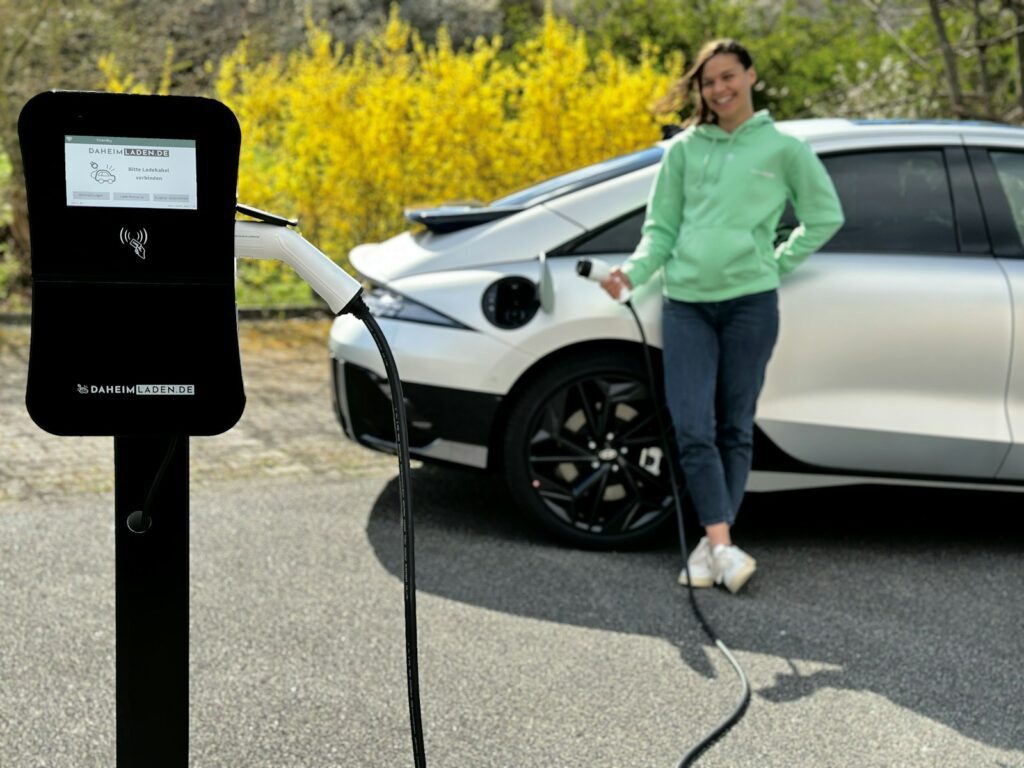
Gas tax receipts have flattened or fallen in many states as cars get more efficient and electric vehicle (EV) ownership rises. When you buy fewer gallons, the per-gallon excise tax that funds most highway projects collects less money, even as total vehicle miles traveled (VMT) can rise.
Electric vehicles pay little or no fuel tax but still use the roads. That mismatch shifts cost burdens to remaining gasoline drivers or forces states to raise registration fees. You should note some states already added EV registration fees or created voluntary per-mile programs so EV owners contribute roughly the same as gasoline drivers.
Oregon, Utah, Virginia and Hawaii have operational mileage-based programs or phased plans that let EVs pay per mile instead of fixed surcharges. Those pilots help states estimate fair per-mile rates tied to existing fuel-tax equivalents and measure administrative and privacy tradeoffs.
Transportation Funding Shortfalls and Budget Pressures
Your state DOT and budget office now juggle deferred bridge repairs, pavement rehabilitation backlogs, and tighter general-fund competition. Transportation funding shortfalls emerged after traditional revenue streams — chiefly gas taxes and federal Highway Trust Fund transfers — failed to grow with costs and travel demand.
The Infrastructure Investment and Jobs Act provided short-term relief but didn’t replace long-term declining gas-tax revenue. Many state legislatures and the National Association of State Budget Officers track widening gaps between projected needs and available revenue, prompting consideration of mileage-based user fees or higher registration fees.
You’ll find policymakers weighing options that preserve funding stability while minimizing regressive impacts. That includes indexing fees, offering EV owners alternatives, or capping annual payments so low-income drivers aren’t disproportionately affected.
Transition Challenges and State Responses
Switching from per-gallon to per-mile charging creates practical, legal, and political hurdles you need to understand. States confront privacy concerns about GPS tracking, administrative costs of mileage collection, and legal limits on data retention and sharing.
States respond with multiple reporting options—odometer checks, non-GPS plug-ins, smartphone apps, and telematics—so you can choose privacy-respecting methods. Laws in several programs prohibit location-sharing and limit use of collected data to fee administration and dispute resolution.
Budget transition timing matters, too. Some states phase in per-mile schemes or keep EV registration fees while piloting RUCs to calibrate rates and avoid sudden revenue shocks. You should watch program indexing rules, caps tied to existing vehicle registration fees, and statutory protections that determine how smoothly your state shifts funding models.
How Per-Mile Driving Taxes Work and Their Effects
You’ll see how per-mile charges replace shrinking gas-tax revenue, how four states run voluntary programs, what tech and privacy tradeoffs look like, and how other tools like tolls and registration fees fit into the mix.
Mileage-Based User Fees and Road Usage Charge Programs
A mileage-based user fee (MBUF) or road usage charge (RUC) charges drivers per mile rather than per gallon. You typically report miles through odometer readings, OBD plug-ins, or telematics; programs may offer non-GPS options to limit location tracking.
RUCs aim to link payments to actual road use and can be structured to protect light-vehicle drivers from paying more than existing EV registration surcharges. You may see per-mile rates indexed to state fuel taxes or capped at current registration fees to keep costs predictable.
Common program elements:
- Enrollment alternatives: odometer photo uploads, plug-in devices, or telematics.
- Rate adjustments: tied to fuel-tax changes or set by average annual miles.
- Compliance checks: periodic odometer verification or device audits.
State Approaches: Oregon, Utah, Virginia, and Hawaii
Oregon’s OReGO uses voluntary enrollment for EVs and efficient cars and sets its rate as a share of the fuel tax; you can choose plug-ins or telematics. Utah’s RUC is EV-only, adjusts annually with the fuel tax, and lets you submit odometer photos through an app or use telematics. Virginia’s Mileage Choice covers EVs and cars 25+ mpg, calculates rates from its Highway Use Fee (HUF) per average miles, and offers non-GPS OBD options plus telematics. Hawaii phases in a mandatory RUC by 2028 with odometer readings during annual inspections and a temporary flat EV surcharge for 2025–2028.
If you compare them, the differences matter: who’s eligible, how the per-mile rate is indexed or capped, and the reporting choices you get all shape both cost and privacy.
Technology, Privacy, and Enforcement Concerns
Technology choices determine accuracy and privacy. Odometer-based reporting minimizes location collection but requires more manual reporting and spot audits. Non-GPS OBD plug-ins record miles without routes, giving a middle ground. Telematics (vehicle OEM systems or smart devices) deliver precise, tamper-resistant mileage and can distinguish in-state from out-of-state travel, but they collect GPS data that raises privacy questions.
Programs typically contract third parties to process mileage and include legal limits to prevent data sale or broad disclosure. You’ll still face enforcement: missed payments can trigger collection actions or registration holds, and agencies run audits or require annual odometer verification to prevent underreporting.
Other Alternatives: Tolling, Express Lanes, and Registration Fees
Tolling and express lanes charge you by road or time-of-day rather than per mile statewide. Electronic tolling uses transponders or license-plate billing and targets specific corridors, preserving privacy compared with continuous telematics. Express lanes fund capacity and manage congestion directly, while tolls on limited-access highways are already applied to heavy trucks by weight and miles in some states.
Annual registration fees remain a blunt tool: simpler to administer but less tied to actual road use. Some states keep higher EV registration surcharges as a short-term fix while piloting RUCs. You’ll encounter mixed systems: per-mile programs for equitable road-cost allocation, corridor tolling for congestion pricing, and registration fees for administrative simplicity.
Links for further detail: Oregon’s OReGO program, Utah’s RUC, Virginia’s Mileage Choice, and Hawaii’s RUC implementation.
More from Steel Horse Rides: