
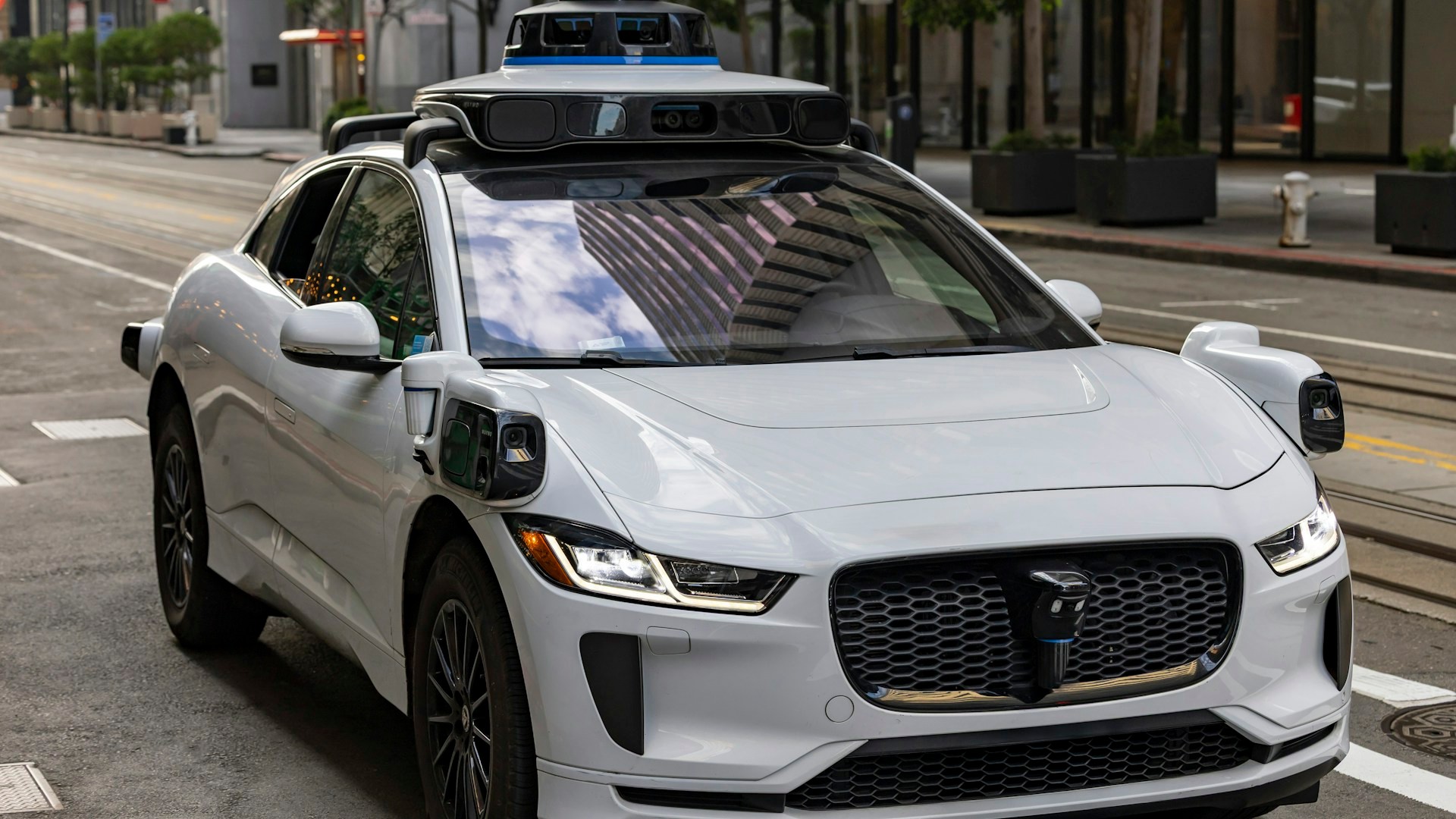

Driverless cars are no longer a science fair project in Austin. Tesla’s Cybercab was already carrying out commercial service there when the National Highway Traffic Safety Administration announced a federal audit of how the vehicle was certified.
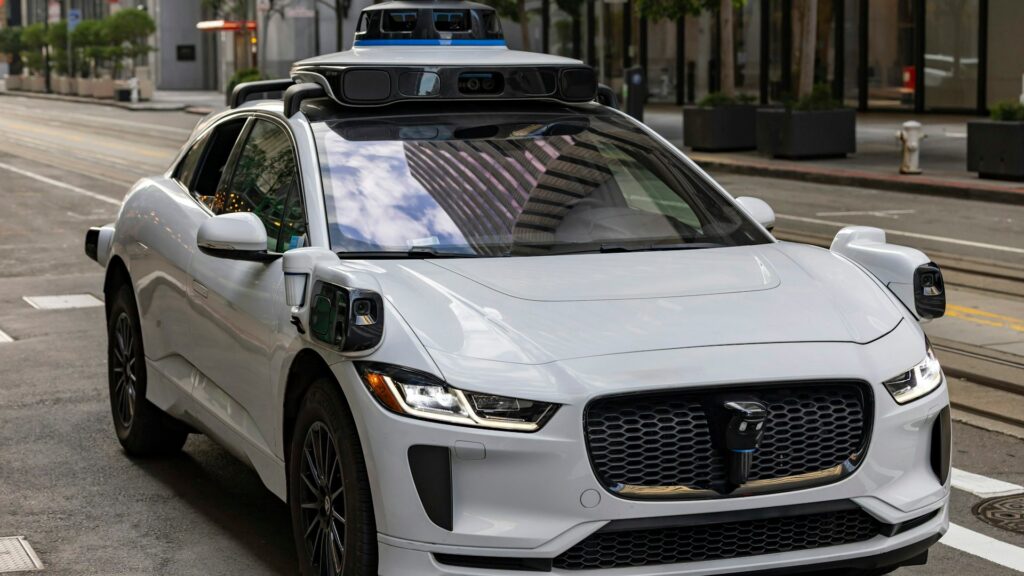
The agency made the announcement on September 4, 2026, according to its press release. The probe is an Audit Query, listed as AQ26002.
Regulators Want To Know Whether Tesla’s Promise Of Full Compliance Holds Up
Here is the question at the center of the audit. NHTSA is examining whether Tesla’s certification that its new Cybercab meets all applicable Federal Motor Vehicle Safety Standards is accurate.
The investigation follows Tesla’s commercial deployment of driverless Cybercab vehicles in Austin, Texas. An audit query is a look at paperwork and engineering, not a finding that anything is wrong.
Self-Certification Is How Every Car Gets Its Start
Many readers may not realize how the system works. Automakers must certify that their vehicles comply with federal safety standards before selling them in the United States, and NHTSA oversees that certification.
In other words, the carmaker fills out the report card, and the government checks the homework. That is what makes this audit notable, since the homework in question covers a vehicle built without the usual driver controls.
A Car Without Pedals Or A Wheel Meets Rules Written For Cars With Them
Federal standards were written over decades, and they assume a person is sitting up front. NHTSA says the audit will look at the technical data and processes Tesla relied on to certify a vehicle without traditional human controls.
The agency will also examine the basis for Tesla’s self-certification of full compliance. And it will look at whether Tesla’s compliance framework relied on determinations that certain safety standard requirements do not apply to its automated vehicles.
- The basis for the self-certification of full compliance.
- The technical data and processes used to certify a vehicle without traditional human controls.
- Whether the compliance framework depended on determinations that certain requirements do not apply to automated vehicles.
The Rulebook Is Being Rewritten While The Cars Are Already Rolling
NHTSA says it is overhauling its standards. Over the past year it has begun eight rulemakings, covering topics such as brake pedals, windshield wipers, lighting and rearview mirrors.
Until those updates are finished, the existing standards remain in force. That is a detail worth remembering, because it means the rules on the books today are the ones every automaker, including Tesla, has to meet.
Jonathan Morrison, the NHTSA Administrator, said: “NHTSA fully supports the safe development and deployment of automated vehicles.” He said the agency must ensure all laws are followed, and that balancing innovation with safety oversight will help the country keep its global leadership in automated vehicle innovation.
It also helps to know what an audit query is. It is a tool the agency uses to question whether an automaker’s compliance statements are accurate, and it sits apart from a recall or a defect finding.
For the public, the practical point is that regulators act even after a vehicle is on the road. Certification does not end the conversation between a carmaker and the government, and a vehicle already carrying paying passengers can still be asked to show its work.
The agency’s note that existing standards stay in force until the updates are finished also tells you something about timing. New rules take time to write, so everyone operating today is measured against the book as it stands.
What Everyday Drivers Should Take From The Cybercab Audit
You may never ride in a Cybercab, but the questions here apply to every car on the road. Somebody has to check that what a company says about safety is true.
For shoppers and riders alike, a few habits are worth keeping. They work whether the car is brand new or ten years old.
- Remember that a safety certification is a promise made by the manufacturer, and regulators can audit that promise.
- If you try a new driverless ride service, learn how to contact the company and how to report a concern before you need to.
- Keep an eye on official sources such as NHTSA’s website for investigation news, rather than relying on rumor or social media.
- Check your own vehicle for recalls by VIN on nhtsa.gov, a free step many owners skip.
Feeling a little skeptical of new technology is healthy, and so is feeling a little curious. The audit is the government’s way of asking for receipts.
How To Report A Safety Problem To NHTSA
If you see or experience something that concerns you with any vehicle, NHTSA has a page for that at nhtsa.gov/report-a-safety-problem. You can also reach the agency’s general line at 888-327-4236 (TTY: 888-275-9171).
Reports from ordinary drivers are how many investigations begin. If you notice a hazard, write down the date, place and what happened, then pass it along while the details are fresh.
The Cybercab audit is still at an early stage, and the agency’s task is to test the paperwork against the standards that exist today. For now, the practical lesson for the rest of us is easy to carry: the label on a car’s safety is only as good as the proof behind it.
More Stories You May Like
- Pricey Option Packages And Trims Often Fail To Pay You Back When You Trade In, So Here Is What Tends To Hold Its Value And What Really Does Not
- Rotten Metal Around the Brake Servo Turned a Jaguar Restoration Into a Big Disaster of Drilled Out Spot Welds and Hand Made Panels
- Rain Turned A Southern California Swap Meet Into A Ghost Town But One Loaded 1963 Classic Still Had Power Windows Air Conditioning A Compass And Even A Litter Bag