

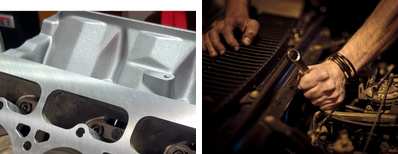
Sometimes the internet asks for something and actually gets it. That’s what happened when more than 20,000 people flooded the comments of a teenage engine builder named Noah, begging a professional mechanic to step in and help him with a rebuild. @davesautocenter answered that call, showing up in person and documenting every hands-on moment of mentoring Noah through the process.
The video follows the two of them working side by side over the engine, with the professional mechanic walking Noah through each step rather than simply doing the work for him. It’s a small gesture that turned into something much bigger once it hit social media, with viewers calling it exactly the kind of mentorship that keeps hands-on trades alive for the next generation.
Stories like Noah’s resonate because they tap into a real gap in how young people learn mechanical skills today. Decades ago, working on an engine with a parent, neighbor, or shop teacher was a common rite of passage. Many high schools have since cut auto shop programs entirely due to budget pressures, leaving a generation of car-curious teenagers with plenty of YouTube tutorials but very few chances to get real hands-on time with an experienced mentor standing beside them.
That gap matters because engine work is one of the hardest skills to learn purely from video. Torque specs, the feel of a properly seated gasket, and knowing when something is tightened just right versus overtightened are things that are genuinely difficult to absorb without someone experienced correcting you in real time. A single afternoon with a seasoned mechanic, the kind Noah got, can compress years of trial and error into a handful of corrected mistakes.
For teenagers hoping to break into the trade on their own, the entry points today generally fall into three categories: community college automotive technology programs, which often run six months to two years and cost significantly less than a four-year degree; manufacturer-sponsored apprenticeships through dealerships, which pay a wage while training; and informal mentorship exactly like the kind shown here, built through local car meets, online communities, and relationships with shop owners willing to take on an eager beginner.
The economics of the trade help explain why so many shops are willing to invest time in young talent. The industry has faced a well-documented shortage of certified technicians for years, driven partly by retirements outpacing new entrants and partly by the stigma that steered a generation of students toward four-year degrees instead of skilled trades. Experienced master technicians at dealerships and specialty shops can out-earn many office jobs, particularly once they’re ASE-certified in multiple specialties, which makes stories like Noah’s not just heartwarming but a quiet pipeline for an industry that genuinely needs the help.
For anyone watching and wanting to start their own version of this story, the advice from shop owners is consistently the same: show up, ask good questions, and treat a tool bench with the same respect you’d want shown to your own work one day. The mentors who say yes to teenagers like Noah are usually doing it because somebody once did the same for them.
More from Steel Horse Rides
- Mechanic Pours Molten Metal Into a Damaged Spark Plug Hole, Sands It Flat, Drills It Out, Cuts Fresh Threads With a Tap and Screws the Plug Back In Over Three Minutes
- Motorcycle Mechanic Uses a Yellow Zip Tie as a Temporary Third Hand to Line Up a Broken Chain, Then Fits the Master Link Pins, Plate and Spring Clip in a Narrated Clip
- Pinstriper Is Still Applying Real Gold Leaf By Hand The Exact Old School Way Traditional Craftsmen Did It Decades Ago On A Classic Car Engine Turned Panel