


Volvo is taking a groundbreaking approach to keeping its vehicles current by committing to deliver software updates every three months to cars built from 2020 onward. The Swedish automaker plans to update all of its cars built from 2020 onward every three months for as long as it can, ensuring features and performance improvements continue long after vehicles leave the factory. This represents a significant shift in how car manufacturers support their products over time.
The company has already begun this ambitious rollout with what it describes as its largest over-the-air software update ever, reaching around 2.5 million Volvo cars across 85 countries. The update introduces a completely redesigned user experience called Volvo Car UX, transforming the infotainment systems in millions of vehicles simultaneously.
For Volvo owners, this means their cars will continue to evolve and improve throughout their ownership experience. The quarterly update schedule promises to bring new features, refinements, and enhancements on a regular basis, treating cars more like smartphones that get better over time rather than static products that slowly become outdated.
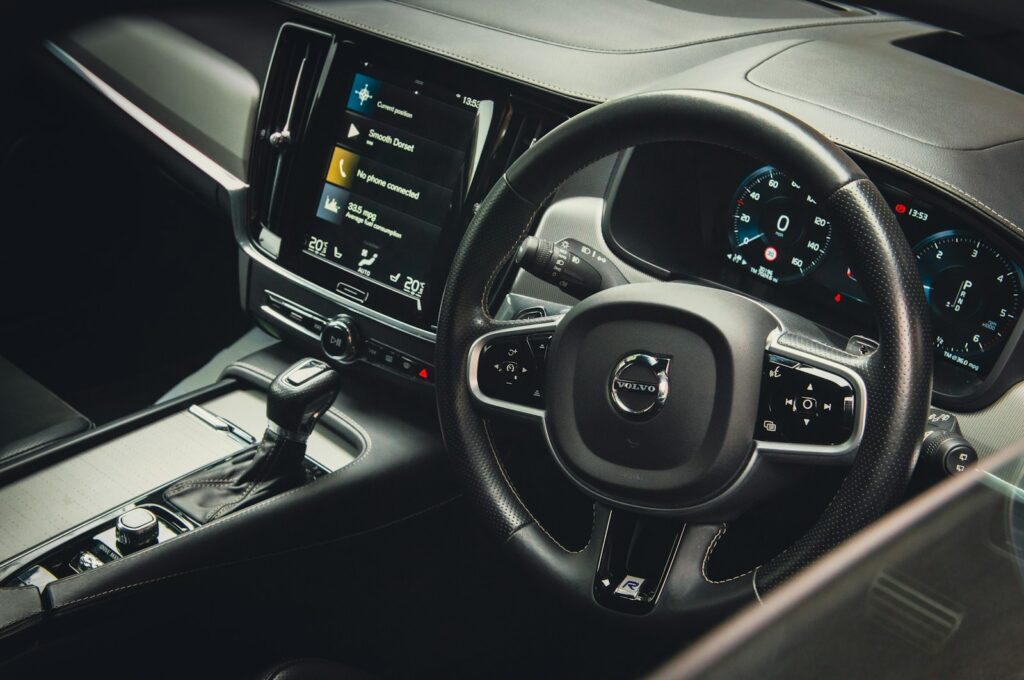
Volvo’s Commitment to Regular Over-the-Air Software Updates
Volvo Cars has established a quarterly update schedule for vehicles equipped with the necessary technology, with plans to maintain this cadence throughout each car’s lifespan. The Swedish automaker recently demonstrated this commitment by launching what it describes as its largest over-the-air software update ever, reaching approximately 2.5 million vehicles across 85 countries.
How the Quarterly Update Program Works
Volvo has been building vehicles capable of receiving over-the-air updates since 2020, and the company plans to update all of its cars on a quarterly basis for as long as the hardware supports it. The system functions similarly to smartphone updates, delivering improvements wirelessly through built-in connectivity without requiring a visit to a Volvo retailer.
The updates arrive automatically to eligible vehicles and are provided free of charge to drivers. The recent Volvo Car UX update rolled out this week showcases the breadth of this initiative, with improvements based on observed driver behavior and customer preferences.
Beyond infotainment enhancements, owners of cars from 2021 to 2025 with Google Built-In will also gain the ability to purchase and download Volvo’s Pilot Assist system through over-the-air updates, demonstrating how the platform can add entirely new features after purchase.
Eligible Models and Hardware Requirements
Vehicles equipped with Google Built-In from model year 2020 onwards qualify for the over-the-air software update program. This includes the XC40, C40, XC60, XC90, S60, V60, V60 Cross Country, S90, V90, and V90 Cross Country from those years.
Newer models like the EX30, EX40, EC40, and EX90 also support over-the-air updates through their built-in connectivity systems. Both fully electric and plug-in hybrid variants with the required technology receive these updates.
The key requirement is having Google Built-In integrated into the vehicle’s infotainment system. Vehicles manufactured before 2020 or those without this specific hardware platform cannot receive the automatic software downloads through Volvo’s over-the-air update system.
Features and User Experience Improvements
The new Volvo Car UX brings a redesigned interface with faster load times, fewer screen taps, and enhanced intuitiveness across the central display. Volvo’s largest over-the-air software update targets improvements in the areas drivers use most frequently.
Infotainment System Upgrades
The refreshed infotainment system powered by Android Automotive OS delivers a cleaner, more streamlined layout on the central display screen. Volvo’s new user experience addresses customer needs with significant updates to frequently accessed features.
A newly introduced contextual bar sits at the bottom of the screen, providing quick access to commonly used functions without navigating through multiple menus. This design change reduces the number of taps required to complete tasks while driving.
The update maintains Google built-in services as standard, ensuring drivers continue to access familiar Google applications. Load times have improved noticeably, making the system feel more responsive during daily use.
Navigation and Google-Based Services
The Google-based infotainment system retains its integration with Google Maps for navigation, offering real-time traffic updates and route optimization. Drivers can use voice commands through Google Assistant to control navigation without taking their hands off the wheel.
Google services remain embedded within the system, allowing seamless access to apps and features. The contextual bar displays relevant navigation information when a route is active, keeping directions visible without occupying the entire screen.
The interface now surfaces navigation shortcuts more efficiently, letting drivers start trips to saved locations with fewer steps. Voice recognition accuracy has been refined to better understand commands in various driving conditions.
Drive Modes and Plug-In Hybrid Enhancements
The updated user experience includes improved access to drive mode settings, allowing drivers to switch between performance profiles more quickly. Electric, hybrid, and power modes can now be selected through a simplified menu structure.
For plug-in hybrid models, the system provides clearer visualization of battery status and charging information. Drivers can monitor electric range, energy consumption, and charging schedules directly from the main screen.
The contextual bar adapts to show relevant information based on the selected drive mode, displaying battery levels for electric driving or performance metrics when in power mode. These enhancements make it easier for plug-in hybrid owners to maximize electric driving and manage energy efficiency.
Role of the Volvo Cars App
The Volvo Cars app works alongside the updated in-car system to extend functionality beyond the vehicle. Owners can remotely check vehicle status, lock or unlock doors, and precondition the cabin before departure.
The app syncs with the car’s infotainment update to provide a consistent experience across platforms. Drivers can send destinations to their vehicle’s navigation system from their smartphone, which then appear ready to go when they start the car.
Software updates themselves can be managed through the app, with notifications alerting owners when new features become available. This connectivity ensures drivers stay informed about their vehicle’s capabilities without needing to visit a dealership.
More from Steel Horse Rides: