

Work trucks and cargo vans are the backbone of the American job site. Plumbers, electricians, delivery drivers and contractors depend on them every single day. So it may come as a surprise that when it comes to preventing front-end crashes, many of these workhorses are falling behind the family sedan in the driveway.
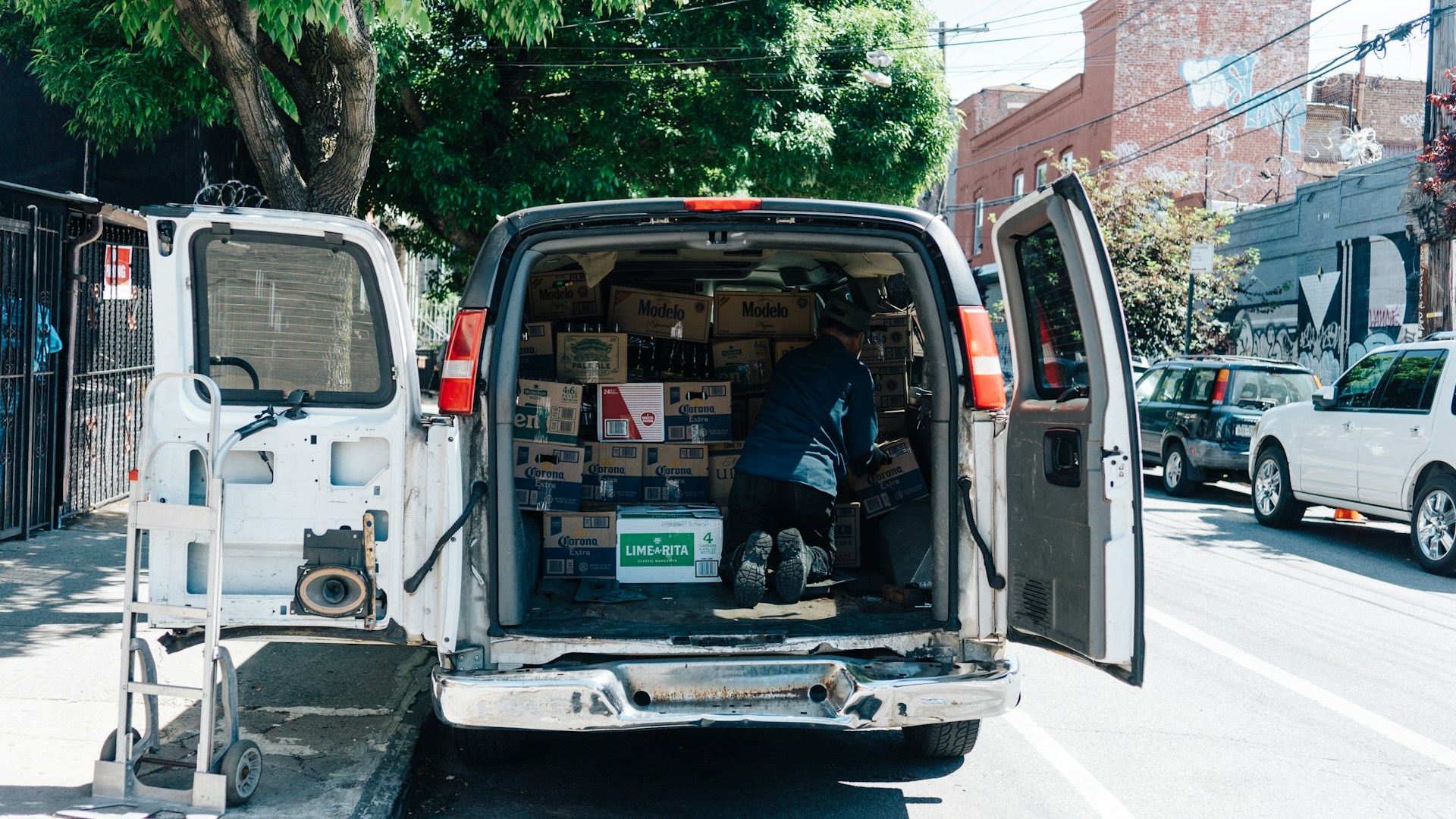
In a release dated October 8, 2026, the Insurance Institute for Highway Safety and its Highway Loss Data Institute (IIHS-HLDI) reported that cargo vans and Class 3 pickups generally trail passenger vehicles in front crash prevention. Most of the ratings for these vehicles came out marginal or poor.
Two Vans Rated Poor for One Big Reason
The standouts, and not in a good way, are the Chevrolet Express 2500 and the GMC Savana 2500. IIHS rated both of them poor in both of its front crash prevention tests. The reason is simple: they lack automatic emergency braking. According to the release, the only thing offered on them is forward collision warning, and that is optional.
It helps to understand the difference. Forward collision warning alerts the driver, with a beep or a flash, that a crash may be coming. Automatic emergency braking goes a step further. It can apply the brakes if the driver does not react in time. A warning depends on you to respond fast enough, while automatic braking can step in on its own.
Not Every Van Struggled
There was a bright spot in the results. The Mercedes Sprinter 2500 earned Good and Acceptable ratings. That shows it is possible for a cargo van to do well in these tests, which makes the poor ratings on others harder to excuse.
The heavy-duty pickups did not fare as well. IIHS rated three of them poor in the vehicle-to-vehicle test: the Ford F-350, the Chevrolet Silverado 3500HD and the GMC Sierra 3500. The Ram 3500 was rated marginal. In other words, none of those four heavy-duty pickups earned a top mark in that test.
Why This Matters If You Drive a Work Truck
These are the vehicles that tend to carry heavy loads, tools and equipment, and they often spend a lot of hours on busy roads. A rear-end crash with a loaded truck or van can be serious for everyone involved, including the people in the other vehicle. Having a system that helps prevent or soften the impact is not a luxury. It is a safety feature that can make a real difference on a bad day.
It also matters if you are the boss. If you manage a fleet or run a small business with a few trucks, the safety technology on those vehicles is part of looking out for your employees and your customers.
Add Safety to Your Shopping List
When you pick a work truck or cargo van, you probably think about payload, towing ability, price and how well it fits the job. Those all matter. But crash prevention technology deserves a spot on that list too, and results like these give you a reason to ask questions you may not have thought of before.
What to Check Before You Buy
- Ask about automatic emergency braking by name. Do not settle for a vague answer. Ask whether the specific vehicle you are looking at has automatic emergency braking, and whether it is standard or an extra.
- Know the difference between a warning and a system that brakes. A forward collision warning alone is not the same thing. If the vehicle only has a warning, you now know what you are missing.
- Look up the ratings. The IIHS website lists its test results. Check how the model you want actually performed before you sign the paperwork.
- Check the exact version. Features can differ between trims and model years. Confirm that the truck on the lot has what the brochure promises.
- Do not skip the test drive. Make sure the visibility, controls and driver assistance features feel right for how you will really use the vehicle.
- Think about older trucks too. If you are buying a used work truck, find out whether it has this technology at all. Many older models may not.
Talk to Your Dealer or Fleet Supplier
If you buy several vehicles at a time, bring this up when you negotiate. Ask each seller which models offer automatic emergency braking and what it costs to add. Salespeople answer these questions every day, and the more buyers ask, the more it signals that this feature matters. If a seller cannot give you a clear answer, that is useful information too.
Good Driving Habits Still Count
Even the best safety technology is no substitute for a careful driver. Leaving plenty of space between you and the vehicle ahead is especially important in a heavy truck or loaded van, because bigger vehicles generally need more room to stop. Keep your eyes on the road, put the phone away and slow down in bad weather. Technology is a backup, not a replacement for good habits.
The Bottom Line
The IIHS-HLDI release shows that work vans and heavy-duty pickups still have catching up to do. The Chevrolet Express 2500 and GMC Savana 2500 were rated poor in both tests because they lack automatic emergency braking, while the Mercedes Sprinter 2500 earned Good and Acceptable marks. Whether you drive a work truck every day or are shopping for one, check for automatic emergency braking before you buy. It is a simple question that could protect you, your crew and everyone else on the road.
More Stories You May Like
- Mechanic’s Dad Crunched Two Years Of Repair Orders And Names The Five Most Expensive Vehicles To Fix Led By Jaguar At More Than Fifteen Hundred Dollars A Visit
- Detailer Shares How a One Man Team Can Finish a Full Car Interior in Just Two Hours, and Step One Happens Before the Vacuum Ever Comes Out
- Classic Car Hunter Chases Down a Rare 1969 Mustang 428 Super Cobra Jet With a $50,000 Asking Price, Then Sees What Kind of Shape It Is Really In