

The car looks great, the price is a little too good, and the seller says the title is “in the mail.” Pause right there.
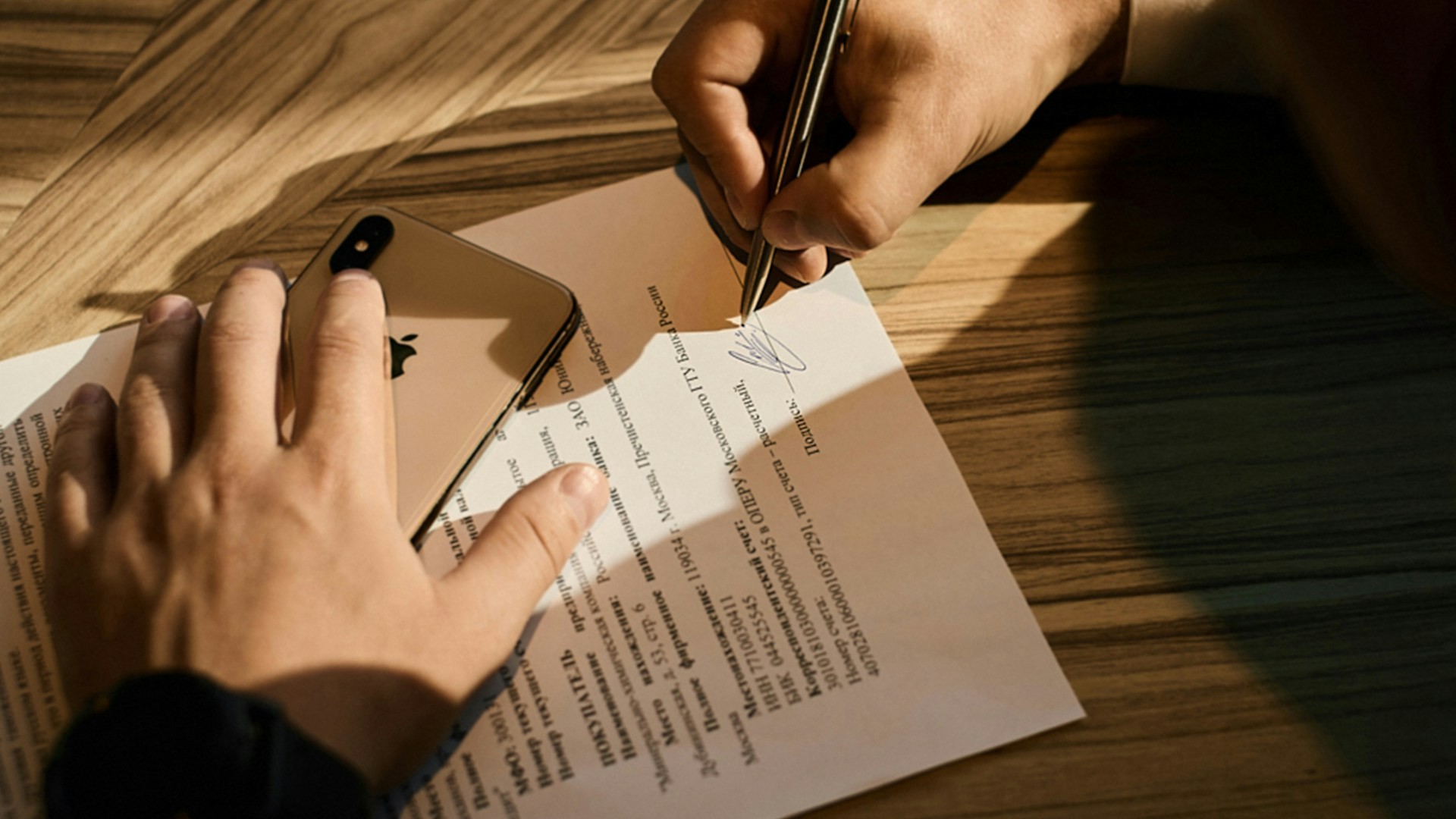
Plenty of private sales are perfectly honest. But state motor vehicle agencies warn about sellers who are not who they say they are, including unlicensed dealers known as curbstoners.
Here are 10 warning signs and paperwork checks, drawn from the Maryland Motor Vehicle Administration, the Texas Department of Motor Vehicles and the federal National Motor Vehicle Title Information System (NMVTIS). Title rules depend on your state, so check your own state’s agency before you hand over cash.
The Name On The Title Is Not The Name Of The Person Selling
The Maryland MVA lists this first among its red flags for curbstoners: “The seller’s name is not on the title.”
Its advice is to buy only from licensed dealers or from private sellers who are listed on the vehicle’s title, and to avoid buying from someone who is not.
The Seller Refuses To Meet At Home
Another Maryland red flag is that the seller refuses to meet at their home. A legitimate owner usually has an address that matches the paperwork.
It is a simple test. Ask where the car is kept, and see how the seller answers.
The Price Seems Too Low
Maryland’s list also includes a price that seems too low. A bargain is not a crime, but the MVA treats it as a sign to slow down.
Pair it with the next sign, and your concern should go up.
The Seller Has Several Vehicles For Sale
“The seller has multiple vehicles for sale” is the fourth Maryland red flag. The MVA describes a curbstoner as an unlicensed seller who pretends to be a private seller.
The agency says buying from a curbstoner can lead to problems with the title, safety or registration.
The Seller Has No Paper Title To Show You
The Texas DMV’s Look Before You Buy guide says to never buy a private vehicle without the paper title. Its words are even stronger: “Never, ever walk away from a private sale without the title.”
Maryland also advises asking to see the Certificate of Title before you pay.
The VIN On The Title Does Not Match The Car
The Maryland MVA says to confirm that the title matches the vehicle’s VIN and shows the seller as the owner. The Texas DMV starts its process the same way: get the VIN of the vehicle you want to buy.
Compare the VIN on the title with the one on the car itself, then use it for the history check below.
The Title History Shows Brands Like Salvage Or Flood
The Texas DMV says to run a title check through an approved NMVTIS provider to see the title history, including whether the vehicle was ever declared a total loss by an insurer. The Department of Justice’s NMVTIS site explains that brands are labels state titling agencies apply, such as junk, salvage and flood, and that NMVTIS keeps the brand history from all states.
It describes a report with no brand, total loss or salvage history as a good sign. Those entries, it explains, are what warn consumers a vehicle may be unsafe.
The Odometer Or Title Date Does Not Fit The Story You Were Told
The NMVTIS explainer says its reports include the current state of the title and last title date, plus the odometer reading, which helps consumers spot odometer fraud and discrepancies in the vehicle’s history.
If the seller says the car has 60,000 miles and the record says otherwise, you want to know before the money changes hands. The site also strongly encourages an independent vehicle inspection before buying.
The Back Of The Title Is Not Filled Out Properly
In Texas, the seller should print and sign their name, provide the sales date and enter the odometer reading on the back of the title. The state also requires the seller to print and sign their name and enter the sales price on Form 130-U, which you need to apply for a title.
Those steps are specific to Texas. Your state will have its own forms, so ask your motor vehicle agency what the seller must complete.
The Seller Will Not Let A Mechanic Inspect The Car First
The Texas DMV recommends having a mechanic inspect the vehicle before signing anything or paying, including a down payment. It also recommends reading all sale documents before signing.
A seller who is confident about the car and the paperwork usually agrees. One who resists is giving you information.
Put the signs together into a short checklist before you meet the seller.
- Ask for the paper title before you talk money.
- Match the name on the title to the seller’s ID and address.
- Match the VIN on the title to the car.
- Run an NMVTIS title check.
- Get an independent inspection.
Any single sign can have an innocent explanation, such as a seller who inherited a car or sells for a relative. That is why the paperwork check matters so much: a title in the right name settles most questions at once.
If any piece of this does not line up, the Maryland MVA’s advice is simple: buy from a licensed dealer or from a private seller whose name is on the title.
More Stories You May Like
- 1967 Shelby GT350 Parked By The Same Owner In 1989 Sat For Over 37 Years Before Selling For $135,000 At A South Dakota Auction
- Flood Damaged Cars With Washed Titles Can Be Sold To Buyers Who Never See It Coming So Check These Signs Before You Pay
- Odometer Rollbacks And Mismatched Vehicle Histories Can Make A Used Car Look Far Better Than It Is, So Check The Records And Service History Before You Trust The Mileage