

Nobody shops for a used car hoping to buy a swamp on wheels. Yet every time a major storm or flood hits, cars that sat in water have a way of showing up on lots and in online listings with clean paint, fresh carpet and a smiling seller. If the title has been “washed” along the way, the paper trail that should warn you has been scrubbed clean too. That is how a buyer ends up writing a check for a car that was doomed the day the water rose.
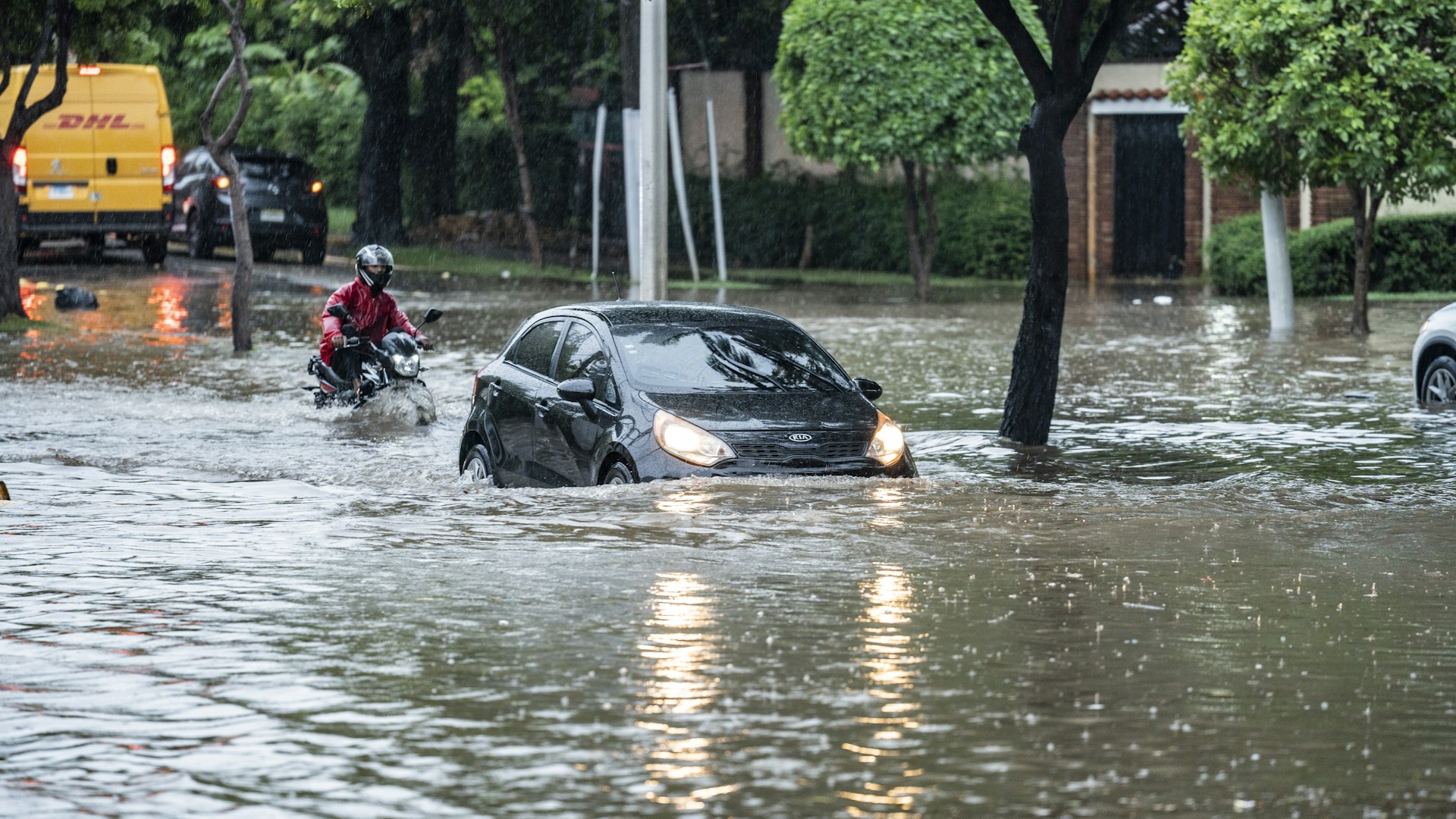
The trick works like this. When an insurance company declares a flooded car a total loss, the title is supposed to be branded so that every future owner knows what happened. Title washing is when a seller gets around that, often by moving the car through a state or a paperwork loophole where the brand does not carry over. The result is a title that looks perfectly normal, attached to a car that has a very abnormal past. Selling a car like that without telling the buyer is fraud, and it is exactly the kind of rip-off that hits trusting, everyday shoppers hardest.
Here is the good news: flood cars almost always leave clues. You just have to know where to look and be willing to slow down when a seller wants you to speed up.
Why Water Wrecks a Car Slowly
Water does not always ruin a car on the spot. That is what makes these vehicles so dangerous to buy. A flooded car may start, drive and look fine for weeks or months. Then the trouble begins: electrical gremlins, warning lights that come and go, sensors that fail, corroded connectors, and computers that quit without warning. Modern cars are packed with wiring and modules, and once water and silt get into them, the damage keeps spreading long after the car dries out. Moisture in the carpet and seats can also grow mold, which is a health problem as well as a smell problem.
Signs of Water Damage to Check Yourself
You do not need to be a mechanic to spot the warning signs. Walk around and sit inside the car with your eyes and your nose wide open.
- The smell test. A musty, moldy odor that a heavy air freshener is working overtime to hide is a major red flag. Be wary of a car that smells strongly of cleaning products or perfume.
- Silt and sand. Pull back the carpet edges, look under the seats and lift the trunk floor to check around the spare tire well. Dried mud, sand or a gritty film where it has no business being points to water.
- Rust in odd places. Look at unpainted metal under the dashboard, on seat mounting bolts and rails, and inside door sills. Rust there on a car that has not been through a salty winter is suspicious.
- Mismatched carpet or upholstery. Brand new carpet in an older car, or carpet that does not quite match the rest of the interior, can mean it was replaced to hide something.
- Foggy lights. Moisture or a visible water line inside headlights and taillights is worth noting.
- Electrical oddities. Test everything: windows, locks, radio, wipers, turn signals, seat controls, heater and air conditioning. Flickering gauges or lights that act on their own deserve a hard look.
Check the Title and History Before You Pay
A clean-looking car is not proof of a clean past, so run the paperwork. Start with the vehicle identification number, or VIN, and use it to pull a vehicle history report from a reputable provider. You can also look at the federal National Motor Vehicle Title Information System, which exists to help buyers spot branded titles. Look at where the car has been registered. A history that jumps between states in a short stretch, or a car from a flood-prone area that was suddenly retitled somewhere far away, should make you ask more questions.
Remember that a history report is only as good as the information fed into it. Some flood cars slip through because a loss never got reported. That is why the report is a starting point and not the finish line.
Do Not Skip the Independent Inspection
The single smartest move you can make is paying a trusted independent mechanic to inspect the car before you hand over money. Pick your own shop. Do not use one the seller suggests. A good technician knows where to look for corrosion, silt and repaired wiring that most buyers never see, and an inspection is a small price compared with a car that falls apart.
If a seller refuses to let you take the car for an inspection, that tells you plenty. Walk away.
Pressure Tactics Are a Warning Sign Too
Be extra careful when a deal feels rushed. Watch for a price far below what similar cars are going for, a seller who insists on cash only, a story about a title that is “in the mail,” or a demand that you decide today because someone else is on the way. Honest sellers can wait while you do your homework. Scammers cannot afford to.
What to Do If You Think You Have Been Burned
If you discover after the sale that a car was flood damaged and the seller hid it, keep every record, including the listing, messages, bill of sale and inspection findings. Contact your state attorney general or consumer protection office and your state motor vehicle agency, and consider speaking with a consumer attorney about your options. Acting quickly helps.
The bottom line is simple. Trust the car, the title and the history only after you have checked all three. A few careful steps before you pay can save you from owning a very expensive lesson.
More Stories You May Like
- Detailer Breaks Down the Exact Order the Pros Use to Wash a Car on a BMW M4 and Says You Should Always Start With the Wheels First Every Time
- Creator Stumbles on a Massive Classic Car Graveyard in America Where Mustangs, Camaros and Firebirds Are All Selling for Less Than $2,000 Each
- Dealership Mechanics Reveal the Car Brands They Would Never Park in Their Own Driveway in 2026, and Chevy, Hyundai and Jeep All Get Called Out