

When an engine starts smoking white and then dies on its owner, the first question is what went wrong. A mechanic who calls himself JT the car guy says the answer in one van was sitting in the oil all along. In his video on the Online Mechanic Tips channel, he finds what he calls “milkshake” in a smoking Pacifica, and he is not shy about what he thinks the previous shop missed.
The van, he reminds viewers, is the one that was “smoking out bad” with white smoke. It overheated badly and then died on the owner. JT starts it briefly in the shop to show what is going on, and he is quick to say that probably was not a great idea.
Water In The Cylinders
“See, too many times of that you will pop,” JT says as the engine turns over. “The water is in the cylinder, guys.” The engine acts like it has frozen up. What happens, he explains, is that you overload the starter and blow the fuse that protects it.
That leads to his diagnostic tip. “If you ever get a car in that won’t start and you find out there’s no power going to the starter, you suspect the head gasket. You got water in the cylinders. Remember guys, you can’t compress water.” He admits he probably should not have fired it up, but he did not want to push the van into the shop either.
The Milkshake
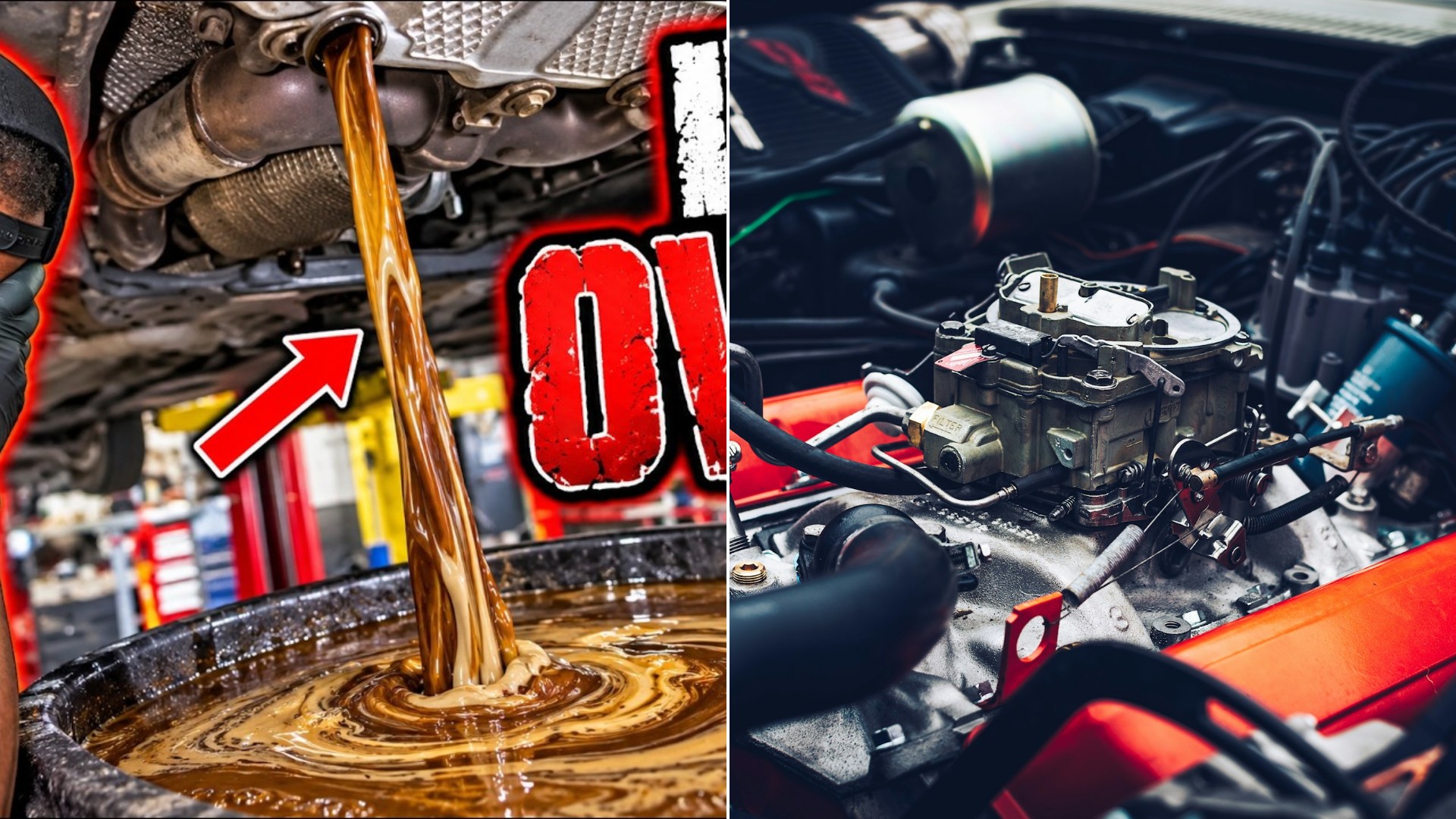
With the van up in the air, JT drains the fluids. When the oil finally comes out, it is the color that every mechanic dreads. “Oh, look at the milkshake,” he says. “Ladies and gentlemen, when this happen, you need one of these. Ain’t no trying to fix that. It’s a wrap.”
That is why he held off on starting the engine for long. “I told you coolant was in the cylinders. So when you fire it up, if it fires up, you’re going to have white smoke.” His verdict is that the engine is not worth repairing. “We’re not going to try to fix it. You’re going to get a whole engine.” The shop got a long block rather than a head gasket set, and the repair is not covered by a warranty. “She paying for it,” he says.
What He Says The Last Shop Missed
Here is where JT gets fired up. He points to the parts already on the engine. “Look at all these coils. Look, brand new coils, brand new cooler, brand new spark plug, all chasing a misfire that was caused by internal problems.”
In his view, there was a simple step that should have come first. “They could have simply did a head gasket test where you measure or test if you’re getting exhaust gases in the coolant system. But they didn’t do any of that.” That claim is JT’s opinion based on what he found on the engine, and the post does not name the other shop.
He also takes aim at a common belief. Plenty of people assume that putting an aluminum cooler on the engine will fix all of their problems. “No, man,” he says. “These things don’t do nothing but oil leak. Occasionally, from time to time, they’ll rupture internally and cause oil to get in the coolant. Not the other way around.” What he saw dripping out of the oil pan was coolant inside the oil, which he says is a different failure. “Please don’t confuse the two.”
Why Aluminum Engines Do Not Forgive
JT also reminds viewers what they are dealing with. “You can’t play these games with all this aluminum,” he says. “This stuff get hot. It’s going to warp. It’s going to expand, retract.” In other words, once an all aluminum engine overheats badly, there is not much room for a cheap fix.
The next step is not settled. He has not decided how to pull the engine. He is thinking of taking it out the bottom by dropping the whole cradle with the transmission, and he asks viewers who have done one before to speak up. He is honest about his own experience. “These don’t break that often, guys. This my first one.” He plans to do his homework in the dealer connect, the book and on YouTube.
A Second Story About A Waiting Challenger
JT also shares a second story, about a Challenger he towed in about two months ago that is still sitting outside. The insurance company was strict. “We need both heads off,” so he took both heads off. Then “two, three weeks went by. No phone call, no answer, no nothing.”
He thinks they might have gotten away with pulling one head, but the insurance company wanted both. The danger is that an engine sitting outside with no heads gets moisture around the camshafts and things rust up. “I’m sure the block can get that way too over time,” he says. He notes the front cover is still on and tells viewers not to do it that way. It is not recommended.
What Every Driver Should Take From This
You do not have to be a mechanic to learn from this story. A few practical points can save you real money when a car starts acting up.
- Know the warning signs. White smoke, overheating and a car that dies or will not turn over are all reasons to stop and get it looked at, as in this van.
- Check the oil. Milky, light brown oil that looks like a milkshake means coolant is getting where it should not be. Do not keep driving.
- Never keep driving an overheating engine. Pull over safely and shut it off. A few more miles can turn a small repair into a bigger one.
- Ask what was tested. Before a shop replaces parts for a misfire, ask what diagnostic tests were done. A head gasket test, which checks for exhaust gases in the coolant system, is one of the questions to ask about.
- Ask to keep the old parts. It helps you see what was replaced and lets you ask questions later.
- Get a second opinion. If the repairs are not fixing the problem, a fresh set of eyes is worth the time.
- Do not confuse two different failures. Oil in the coolant and coolant in the oil are not the same problem. A good mechanic will tell you which one you have.
Not every misfire means a head gasket. But JT’s point is that new parts are no substitute for testing. Replacing coils, a cooler and a spark plug may feel like progress, yet if the real problem is inside the engine, the money is wasted. A little testing up front can make the difference between a fix and a very expensive lesson.
More Stories You May Like
- Old School Mechanic Shows How A Torch And A Socket Can Help When Pressing A Wheel Bearing Without Cutting The Race Off The Hub
- Truck Shop Mechanic Names The One Modification Nobody Should Ever Make And Says It Destroys Wheel Bearings And Wears Out Suspension Faster
- Mechanic Shares the Five Second Test That Tells You If Your Auto Shop Is Lying, and Says If They Refuse It You Should Grab Your Keys and Run