

You walk out to the driveway, turn the key, and get nothing but a weak click. Plenty of the time, the battery did not simply wear out overnight. Something drained it while the car sat still.
AAA has put together a list of the quiet culprits that sap a battery when nobody is driving. The AAA South Jersey guide to silent car battery killers and the AAA Minneapolis battery drain article cover the same ground, and some of the items will surprise you.
The core idea is simple. The alternator only recharges the battery while the engine is running, so anything that pulls power with the engine off is taking from a limited supply. AAA calls this a parasitic drain.
Headlights Left On Can Empty A Full Battery In One To Two Hours
Some cars do not turn the headlights off on their own when the ignition goes off. According to AAA, a fully charged battery can be completely drained in just one to two hours this way.
That makes this the fastest killer on the list. If your car lacks an automatic shutoff, build a habit of a quick look at the dash and the reflection in the garage door before you walk away.
A Door, Trunk Or Glove Box Left Ajar Keeps The Interior Lights Burning
Interior lights are small, but they never rest if something keeps them lit. AAA lists a door that is not fully closed, an open glove box or vanity mirror, an unlatched trunk and reading lights left on as the usual causes.
A single dome light will not kill a good battery in an hour. Left on for a whole night or a long weekend at the airport, it can leave you stranded. Give every door a push and glance at the dash for a door-open warning before you leave.
The 12-Volt Socket Keeps Feeding Chargers, Dash Cams And Radar Detectors
Here is one that catches careful drivers. AAA says the 12-volt accessory socket, the old cigarette lighter, can stay powered even with the ignition off. Phone chargers, radar detectors, air fresheners and dash cams that stay plugged in keep drawing current.
Over time that constant sipping can weaken the battery’s ability to start the car. AAA’s advice is to unplug accessories when the engine is off. If you want a dash cam recording while parked, ask an installer about a hardwired kit with a low-voltage cutoff instead of leaving it on the socket.
A Key Fob Within 15 Feet Keeps The Car Listening
Keyless entry is handy, but AAA points out a hidden cost. When the fob is within about 15 feet of the vehicle, the receiver inside the car stays awake waiting for a command, and that slowly discharges the battery.
The practical fix is to keep your keys well away from the car at night. If your keys hang by the door of an attached garage, a hook farther inside the house may be a smarter spot.
Corrosion On The Terminals Chokes The Flow Of Power
Pop the hood and look at the battery posts. AAA warns that powdery white, blue or green buildup is the result of a chemical reaction between the battery chemicals and the metal posts, and that it can drain power and shorten battery life.
AAA says to remove it as soon as you spot it. A mix of baking soda and water with an old toothbrush is the classic home method, but wear gloves and eye protection, and have a shop do it if you are not comfortable working near a battery.
Aftermarket Stereos With Poor Wiring Can Keep Pulling Power
Factory stereos typically do not cause trouble, AAA says. Larger aftermarket systems carry more risk, and improper wiring can keep them drawing power when the car is off.
If you added a big amplifier or subwoofer and the battery started going flat, the installation is the first place to look. A reputable shop can trace the wiring and confirm everything shuts down with the key.
Aftermarket Alarms Installed The Wrong Way Can Drain A Battery Significantly
The same goes for security systems. Factory alarms generally cause no problems, according to AAA, but an aftermarket alarm that is installed incorrectly can drain the battery significantly.
If your car had a mysterious dead battery right after an alarm or remote starter was added, take it back to the installer. A quality installation should leave almost no draw when the car is parked.
Extreme Heat And Cold Wear Down Even A Healthy Battery
AAA says summer heat can evaporate the liquids inside a battery and reduce its charge, while winter cold slows the chemical reactions and weakens its power. A battery that survived August can fail on the first frosty morning.
Parking in a garage or in shade, using a car cover, or fitting an insulated battery blanket can help, according to AAA. This is the item most owners can do something about for free, just by choosing where to park.
Walk the list once and you have covered most of the common causes. Unplug accessories, check the lights, keep the fob away, and look at those battery posts every time you check your oil.
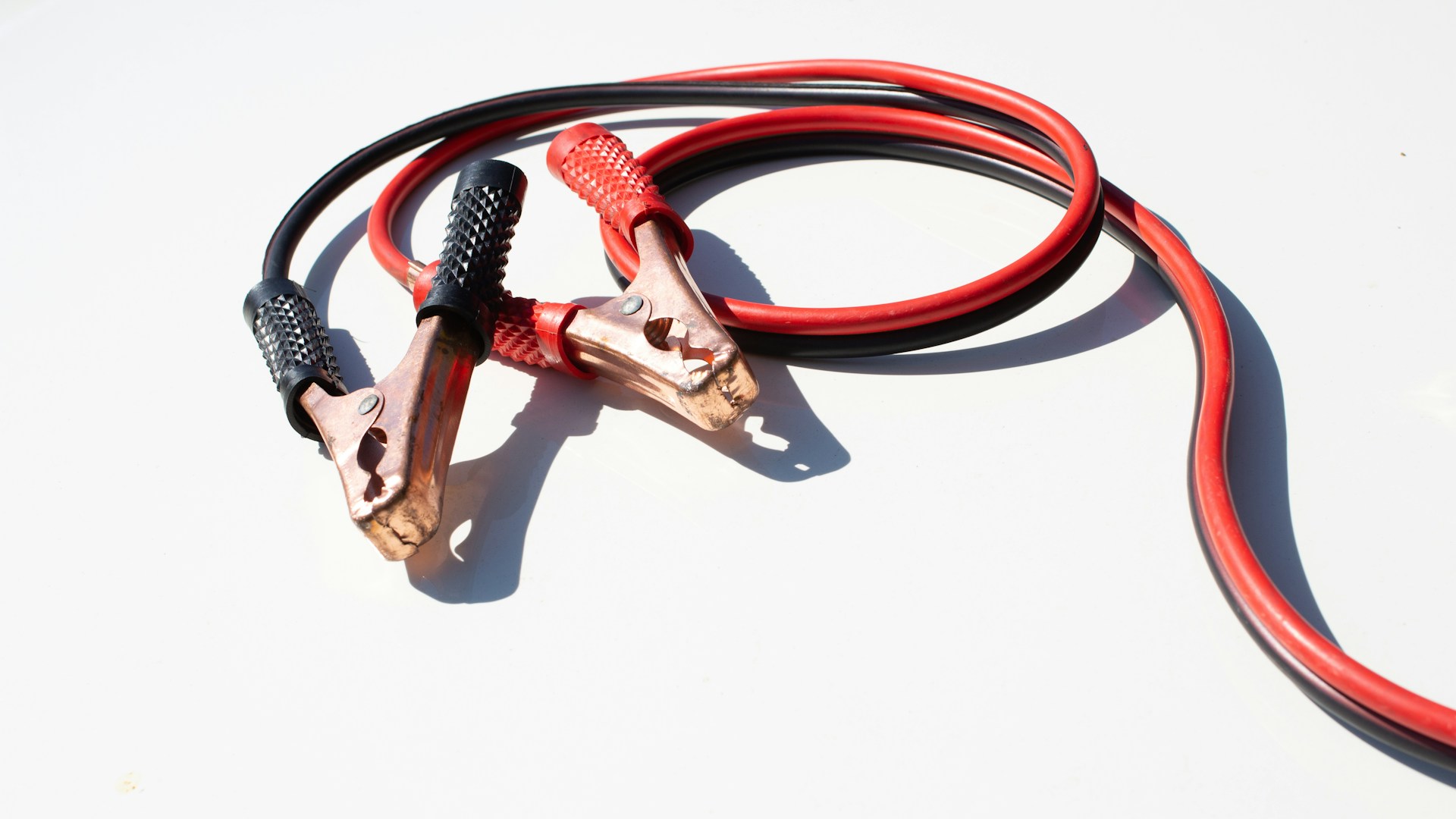
Keep a set of jumper cables or a portable jump starter in the trunk, and know that AAA members can call for roadside help, including mobile battery service. If the car is driven only on short trips, a longer drive now and then lets the alternator top the battery back up.
Batteries do wear out with age, so if yours is several years old and starting slowly, have it load tested at a shop. A quick test costs far less than a tow and a missed appointment.
More Stories You May Like
- Reversed Cables And Cheap Chargers Are The Jump Start And Battery Tender Mistakes That Can Cost You, So Follow The Manual Order And Keep Sparks Away From The Battery
- Parking A Car For Months Without A Plan Can Leave You With Flat Spotted Tires, A Dead Battery And Mice In The Engine Bay, So Do These Simple Steps First
- Mechanic Gets Called To A 2011 Ram 1500 That Will Not Start After Another Shop Already Tried And Warns A Part From A Chrysler Minivan Is A No Go