

It is a cold morning, the car will not start and you are already late. A neighbor pulls up with jumper cables, and in a rush the clamps go on in whatever order seems right. A shower of sparks, a pop, and suddenly you have a bigger problem than a dead battery. It happens more than you would think, and it is entirely avoidable.
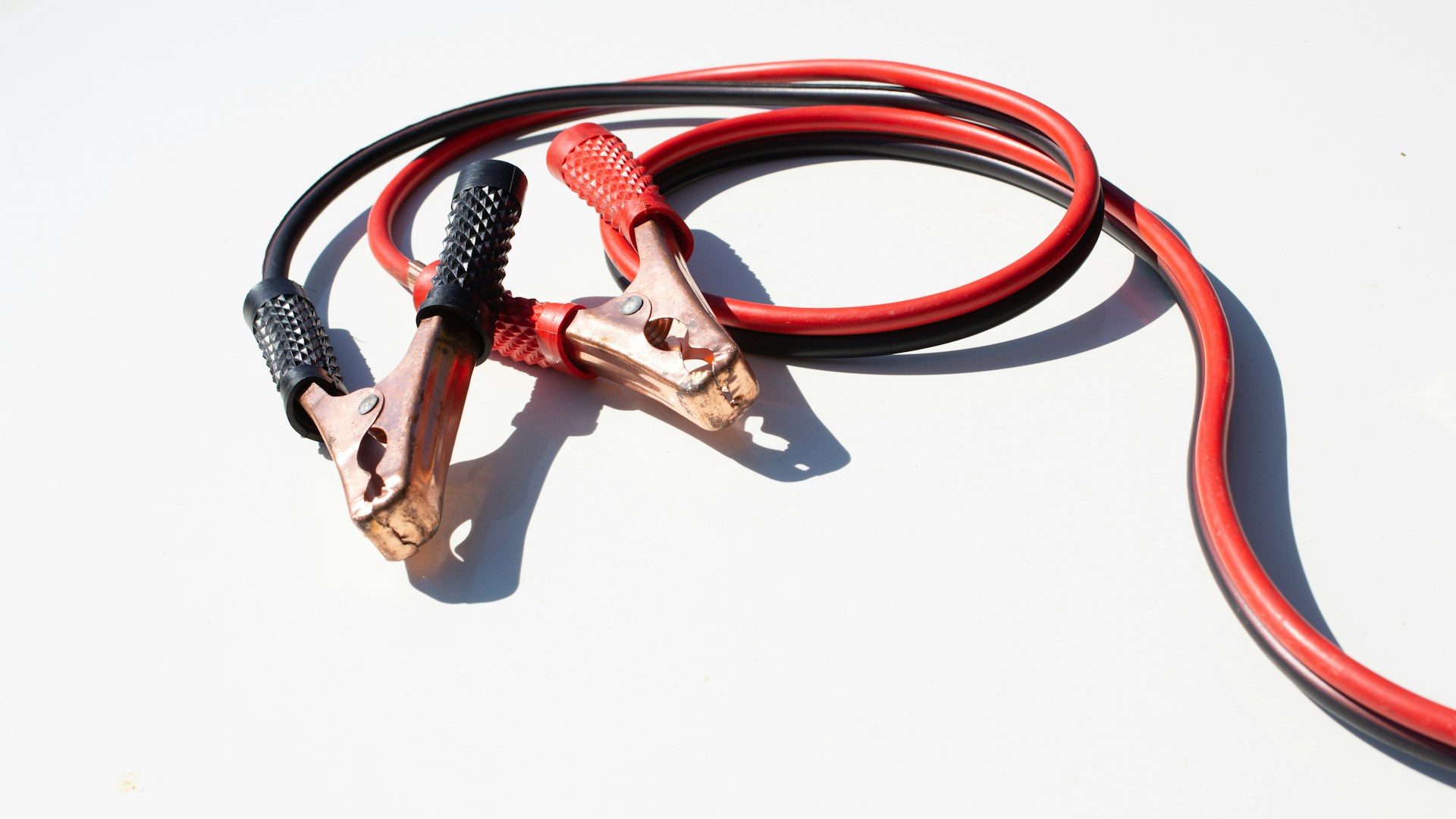
Jump-starting and battery charging are two of the most common car chores, and two of the easiest to get wrong. The mistakes are simple, and so is the fix: follow the order in your owner’s manual and keep sparks away from the battery.
Why Batteries Deserve Respect
A car battery stores a great deal of energy and contains acid. Under some conditions, especially while charging, batteries can give off hydrogen gas, which is flammable. A spark near the battery can ignite it, and a battery that explodes can spray acid and sharp pieces. That is the reason every set of instructions tells you to keep flames, cigarettes and sparks away, and why safety glasses are a smart idea.
The Reversed Cable Mistake
Connecting jumper cables backward, so that positive meets negative, is one of the costliest mistakes a driver can make. Modern cars are full of electronics, from the engine computer to the infotainment screen and a web of sensors. Reversed polarity can send current the wrong way through them, blowing fuses, damaging wiring and in the worst cases frying expensive control modules. It can also cause a battery to overheat or fail.
Take a moment to find the markings. The positive terminal is usually marked with a plus sign and often has a red cover, and the negative terminal is marked with a minus sign. Some cars have the battery in the trunk or under a seat, and some have special jump-start terminals under the hood, so your manual will show you exactly where to connect.
Follow The Manual Order
The exact steps can differ by vehicle, so read your owner’s manual first. In general, the widely taught sequence goes like this, and you should confirm it against your manual:
- Park the helping car close but not touching, turn both vehicles off and set the parking brakes.
- Connect one red clamp to the positive terminal of the dead battery.
- Connect the other red clamp to the positive terminal of the good battery.
- Connect one black clamp to the negative terminal of the good battery.
- Connect the last black clamp to a bare, unpainted metal part of the dead car, away from the battery, such as a sturdy engine bracket or the spot your manual names.
- Start the helping car, let it run for a bit, then try to start the dead car.
- Remove the clamps in the reverse order, taking care that the clamps never touch each other while connected.
That last black clamp is the part many people skip. Connecting it to bare metal away from the battery means any small spark happens away from the gas the battery may be giving off. Also, never let the clamps touch one another once the cables are live.
Some cars, especially hybrids and electric vehicles, have specific rules about jump-starting. Their manuals may give special instructions or specific terminals to use. Always check the manual for your exact vehicle before you try.
The Cheap Charger Trap
A battery tender, also called a maintainer, is a great tool for a car that sits for weeks or months, such as a weekend classic, a motorcycle or a boat. The key is using the right kind. A low-quality charger with no automatic shutoff can keep pushing current into a full battery. That can overheat it, damage it, shorten its life and in a poor case cause it to leak or vent gas.
Look for a charger or maintainer made for your battery type, since different batteries, such as standard flooded, AGM and lithium, can need different charging settings. A smart charger that senses the battery’s state and adjusts or switches to a maintenance mode is usually the safer choice. Read the instructions that come with it and follow the connection order they give, which commonly has you connect the charger to the battery before plugging in and unplug before disconnecting.
A Few More Safety Habits
- Charge in a ventilated space, never in a closed room with no airflow.
- Wear eye protection and gloves when working near the battery.
- Never try to jump or charge a battery that is cracked, leaking or frozen.
- Remove metal jewelry, because metal across a battery’s terminals can cause burns.
- If a jump does not work after a couple of tries, stop. The problem may be a bad battery, a bad connection or a failed alternator.
- Drive the car for a while after the jump, and have the battery and charging system tested if it happens again.
The National Highway Traffic Safety Administration publishes general vehicle safety information at its website, and your manual is the final word on your own car.
A dead battery is an inconvenience. A fried computer or a battery fire is a disaster. Slow down, read the manual, connect the cables in the right order and spend a little extra on a good charger. The few minutes you invest are the cheapest repair you will ever make.
More Stories You May Like
- Detailer Breaks Down the Exact Order the Pros Use to Wash a Car on a BMW M4 and Says You Should Always Start With the Wheels First Every Time
- Car Buying Expert Lists The Sleazy Dealership Tricks That Take Advantage Of Shoppers From Add Ons On The Final Paperwork To Forcing You Into Their Financing
- DIY Mechanic Compares Engine Oil Prices And Finds The Same Bottle At Home Depot Costs Thirteen Dollars Less Than At The Auto Parts Store Across The Parking Lot