
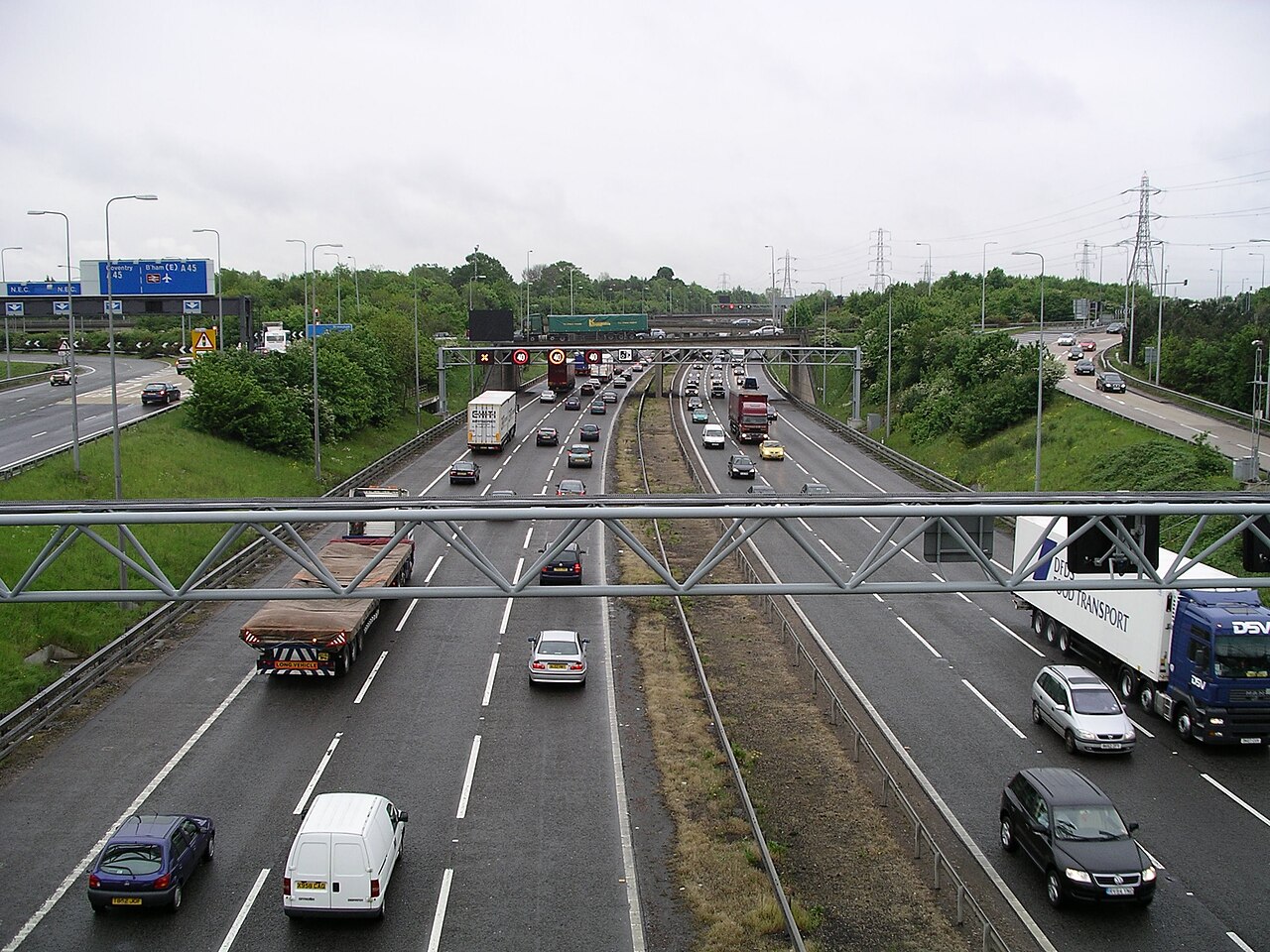

You’ll see cameras watching restricted lanes nonstop, catching violations and issuing tickets without a traffic stop. These systems use continuous video, radar or LIDAR, and automatic plate recognition to identify offenders and trigger citations with minimal human intervention, letting enforcement run 24/7 while removing the need for a patrol car to pull someone over.
They’ll explain how the technology detects lane misuse, timestamps and documents violations, and links evidence to vehicle registrations so agencies can mail fines and citations. Expect coverage of how this changes safety outcomes, enforcement workload, and community reactions as automated systems take on tasks once handled on the street.
How Automated Traffic Cameras Monitor Restricted Lanes and Issue Tickets
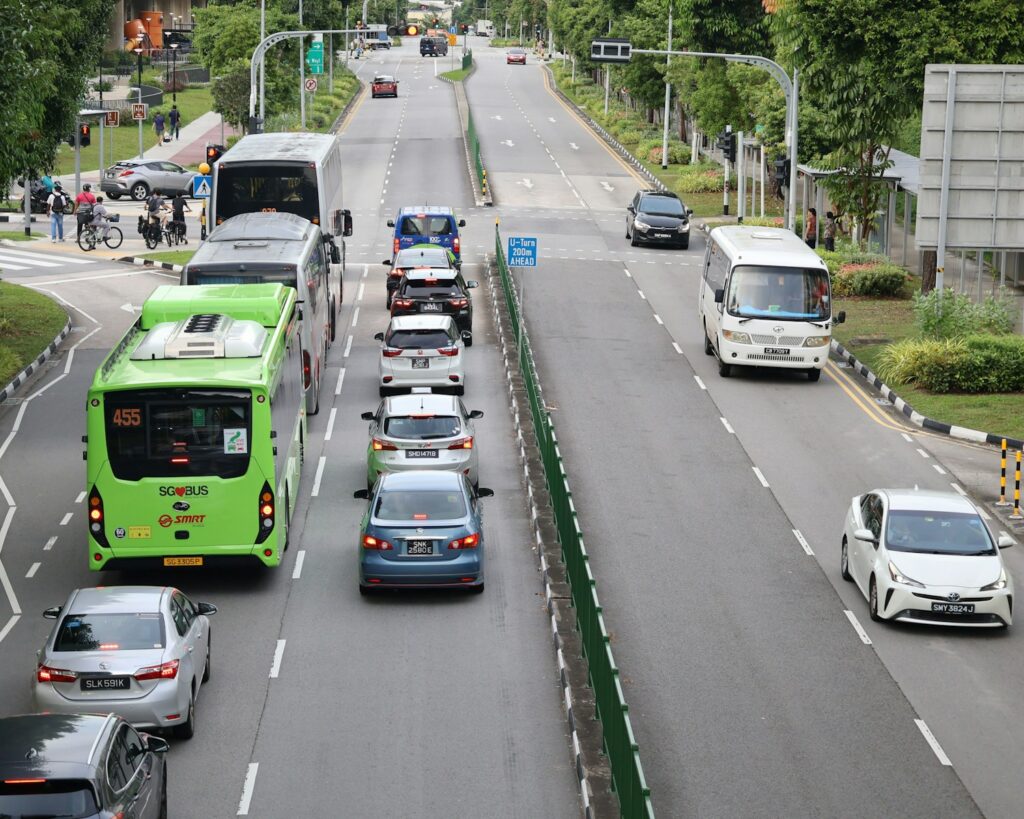
Automated systems combine cameras, sensors, and software to detect lane misuse, read plates, and prepare enforceable evidence. They work continuously and connect to databases to identify vehicles, check permissions, and trigger citations when violations meet configured thresholds.
Core Technologies Behind Automated Monitoring
Systems rely on three technology layers: imaging, sensing, and analytics. High-resolution cameras capture clear stills and video across multiple lanes. Infrared or laser illumination supports night-time plate legibility.
Radar or lidar provides speed and distance measurements; these sensors help separate adjacent vehicles and confirm movement direction. Combining camera and radar data reduces false detections in dense traffic.
Automatic license plate recognition (ANPR/ALPR) software extracts plate characters and checks them against vehicle registries, white/black lists, and permit databases. Edge processors perform initial filtering; central servers run deeper analytics and log violation packages.
Machine learning models classify vehicle types, detect lane boundaries, and flag unauthorized occupancy of bus or bike lanes. Operators usually verify packages before final ticketing to satisfy evidentiary standards.
Types of Cameras and Their Deployment Methods
Fixed speed cameras mount on poles or gantries to cover multiple lanes and a fixed detection zone. They provide stable framing for ANPR and are common for continuous lane enforcement.
Mobile speed cameras operate from vans or temporary poles and can be repositioned for changing enforcement priorities, useful for special events or construction zones. Both fixed and mobile units often include synchronized multi-camera setups to capture approach and rear views.
Panoramic and multi-megapixel cameras give wide coverage so a single device can monitor three or more lanes. Specialized evidence cameras focus on traffic lights or stop lines for turn-lane and red-light enforcement.
Placement considers sightlines, illumination, and radar overlap. Authorities often integrate devices with traffic management centers for real-time monitoring and to ensure cameras match lane markings and legal enforcement boundaries.
Enforcement Process: From Detection to Ticket Delivery
Detection begins when the system senses a vehicle in a restricted lane or exceeding a speed threshold. Sensors trigger the camera, which records timestamped images and short video clips showing lane lines and vehicle position.
ANPR extracts plate data and the system queries vehicle ownership, permits, and exemptions. Violation packages typically include images, time, location, speed (if applicable), and sensor logs. These form the evidentiary record.
Automated filters remove obvious non-violations (emergency vehicles, authorized plates) via database cross-checks and white lists. Remaining packages go to human reviewers for verification when required by local rules.
Once approved, the system generates a citation and mails it to the registered owner or delivers it electronically where allowed. Records feed back into enforcement analytics to tune thresholds and identify repeat offenders.
Data Accuracy, Validation, and Enforcement Thresholds
Accuracy depends on camera resolution, illumination, and sensor fusion. High-resolution cameras plus IR illumination improve plate reads at night and in adverse weather. Radar-lidar fusion reduces misreads from occlusion or lane-splitting.
Validation includes automated confidence scoring for ANPR, cross-referencing vehicle registries, and human review for borderline cases. Agencies set minimum confidence and evidence criteria before issuing a ticket to reduce legal challenges.
Enforcement thresholds define what constitutes a violation: distance into a bus lane, time spent in a bike lane, or a speed margin above the posted limit. Many jurisdictions apply tolerance buffers (e.g., a few mph over limit) to account for measurement error.
Auditing and periodic recalibration maintain system reliability. Logged sensor data and retained images support appeals and ensure the automated enforcement program meets legal and transparency requirements.
Impact of Automated Cameras on Road Safety, Enforcement, and Communities
Automated lane‑restriction and speed cameras change how agencies detect violations, how drivers behave, and how communities experience enforcement. They affect crash rates, enforcement workloads, privacy practices, and future traffic management tools.
Safety Outcomes and Speeding Reduction
Evidence shows fixed speed cameras and red‑light cameras reduce speeding and certain crash types when sited at locations with documented problems. Cities that install cameras at high‑injury corridors or school zones often see fewer speed‑related crashes and lower collision severities within the monitored segment.
Cameras that operate 24/7 remove the variability of enforcement hours, which helps sustain slower average speeds rather than only short‑term reductions after police patrols.
However, placement matters: cameras at well‑chosen sites produce clear safety gains, while poor siting can shift risky driving to nearby streets (spillover effects). Agencies should use crash and speed datasets, not just complaints, when selecting sites and evaluate changes in both target corridors and adjacent routes.
Legislation, Equity, and Public Perception
Legal frameworks determine what cameras may ticket, how evidence is used, and whether out‑of‑state plates are actionable. State laws and municipal ordinances also shape fine structures and reciprocity agreements, which influence program effectiveness and compliance rates. The Governors Highway Safety Association recommends transparency, public engagement, and equity analysis when launching programs; such steps tend to increase legitimacy.
Communities frequently debate automated enforcement. Some drivers and advocacy groups oppose cameras citing perceived revenue motives or accuracy concerns. Others welcome reduced traffic fatalities and consistent enforcement. Jurisdictions that publish deployment criteria, crash data, and how revenue is used typically gain higher public acceptance.
Privacy and Data Handling Concerns
Automated systems collect sensitive imagery and metadata (timestamps, plate numbers, vehicle class). Agencies must specify retention periods, access controls, and permissible secondary uses to limit privacy risks. Policies that block facial recognition, restrict non‑traffic law queries, and require audit logs reduce misuse.
False positives and system errors present legal and reputational risks. Vendors and municipalities should document system accuracy, calibration schedules, and appeal processes. Independent audits and published error‑rates help defend programs against challenges and improve trust in automated enforcement.
Future Trends and Ongoing Implementation
Local and state agencies increasingly combine fixed, portable speed cameras, OEM vehicle cameras, and e‑con systems to broaden coverage while testing cost and effectiveness. Portable units and bus‑mounted cameras offer flexibility for targeted enforcement at schools and temporary work zones. Integration with city traffic management platforms enables dynamic deployment where crash data spikes.
Standards from the Insurance Institute for Highway Safety, National Association of City Transportation Officials, and similar bodies influence best practices for camera siting, signage, and performance evaluation. Continued evaluation of spillover effects, equity outcomes, and long‑term crash trends will shape whether jurisdictions expand automated lane and speed enforcement or adjust policies to reduce unintended impacts.
More from Steel Horse Rides: