

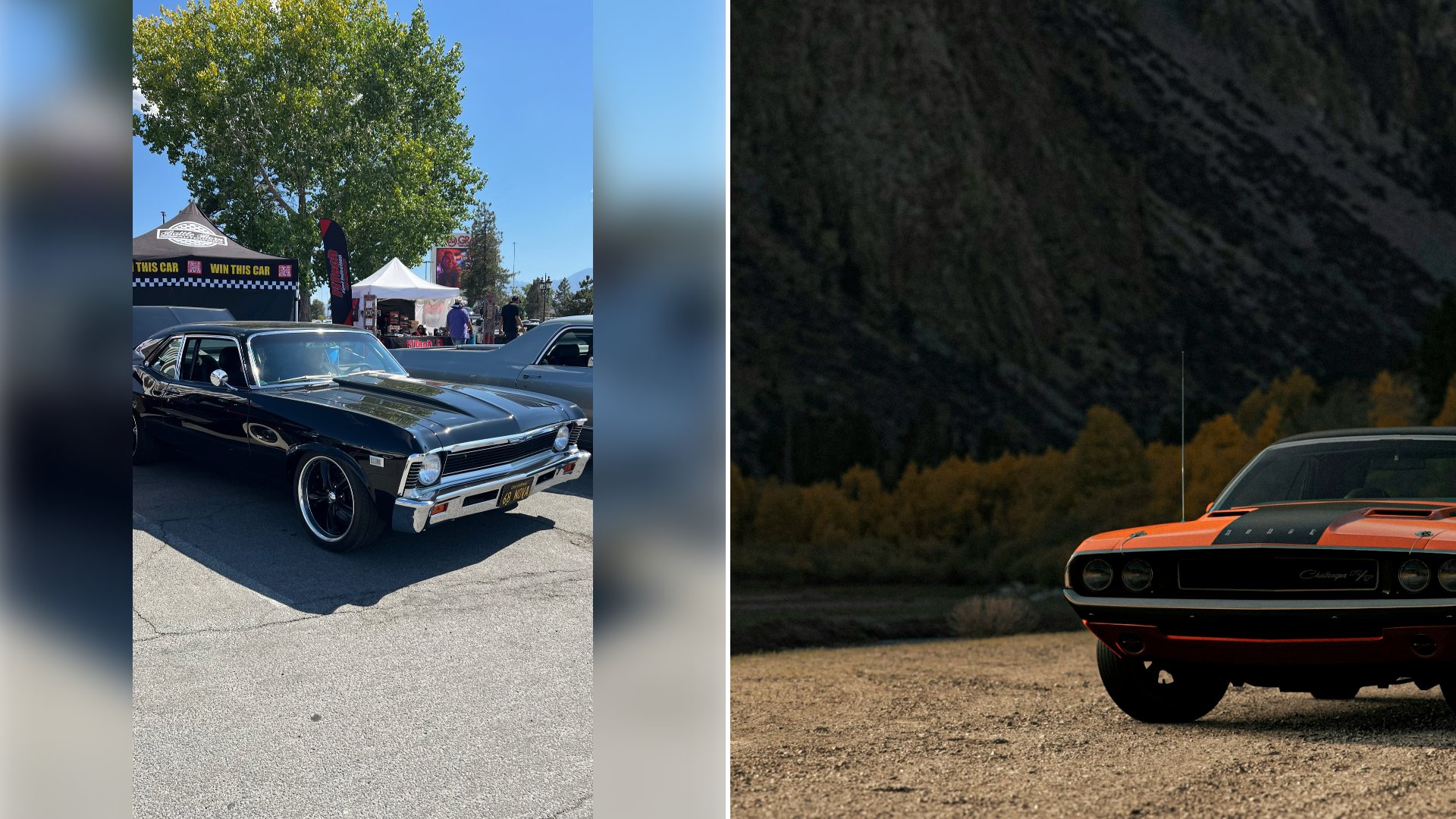
A video from the account fresno_tap_recycling_crawlers marks the end of a genuinely long haul: “#throwbackthursday to project 68 Nova. It was such an honor to finish this project that started in 2008.” Tagged #protouring, #restomod, #hotrodsandmusclecars, and #garagebuilt, the video pulled in 51,900 likes, 1,394 comments, and 48 shares.
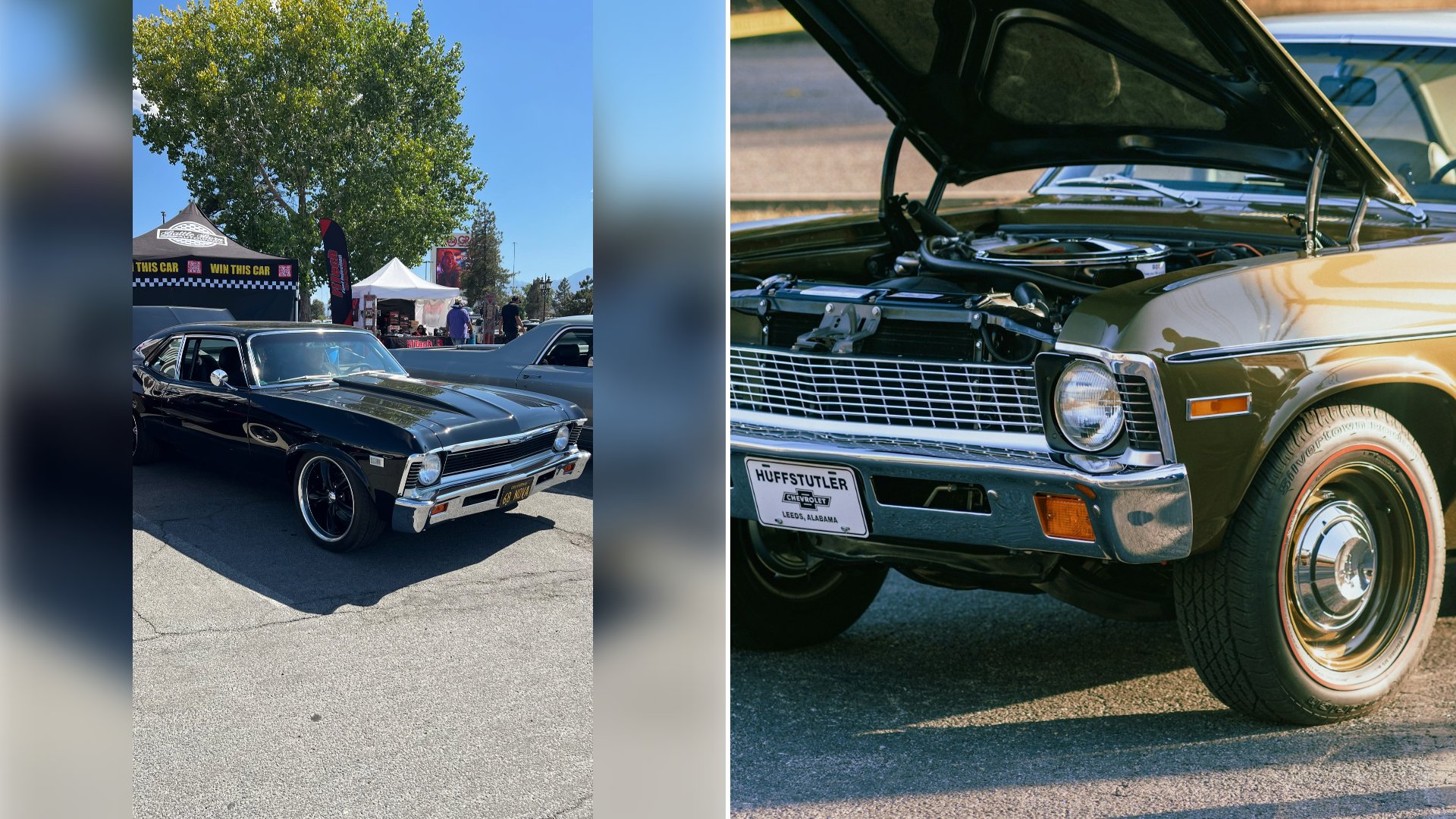
The hashtag #protouring tells you this build wasn’t aimed at a numbers-matching, factory-correct restoration, and a comparable 1968 Nova SS restomod profiled by Motorious shows what that style typically involves once a shop commits to it: tubular A-arm front suspension for real handling rather than period-correct softness, Wilwood four-wheel disc brakes in place of the original drums, and one-off three-piece wheels wrapped in modern radials, in that car’s case requiring the rear trunk to be tubbed just to fit them. That example also carried a 468 cubic-inch big-block with a blower and dual carburetors, a custom Moser rear end, and a roll cage with racing harnesses, the kind of comprehensive mechanical and safety overhaul that turns a 57-year-old econobox-based coupe into something that handles and stops like a modern car while still looking the part.
A build like that running from 2008 to now isn’t unusual once you look at what actually eats the time on a project this deep. Revology Cars’ breakdown of custom muscle car timelines notes that a true restomod typically still runs a few months at minimum even in a well-staffed professional shop, while a full restoration commonly takes 6 to 12 months and body and paint work alone can run 600 to 1,000 hours by itself, according to restoration community estimates the article cites. For a garage build rather than a shop job, those same stages, rust repair the article calls “the number one hidden delay,” parts sourcing that can add three to six months when reproduction pieces are backordered, and fabrication work fit in around a builder’s actual job and life, stretch out far beyond a shop’s professional timeline, which is exactly the gap between a few months and seventeen years.
What the caption’s single line about finishing “such an honor” doesn’t need to spell out is the discipline it takes to stay committed to one car for that long without either finishing it halfway or selling it off partway through. Revology’s guidance for anyone starting a similar build is to budget 15 to 20 percent more time than planned for unforeseen setbacks, advice that assumes a project measured in months, not nearly two decades. A 2008 start date that only reaches a finished car in the social media era is less a build log and more a record of a hobby a person simply refused to abandon.
More from Steel Horse Rides
- Owner Says the Seats in a 1986 Toyota 4Runner Smell Exactly How You Would Imagine, Then Pulls Out the Carpet and Asks Followers to Pick the Color for the New Kit
- Mechanic Pulls a Snapped Crankshaft Apart in Two Pieces on the Shop Bench, Says the Car Drove In Like That and Jokes the Customer Only Wanted an Oil Change
- Narrator of a Repair Clip Says a Car That Shook Every Time the Owner Hit the Gas Had an Engine Mount Cracked Clean in Half, Then Explains Why the Impact Wrench Is Not the Last Step