

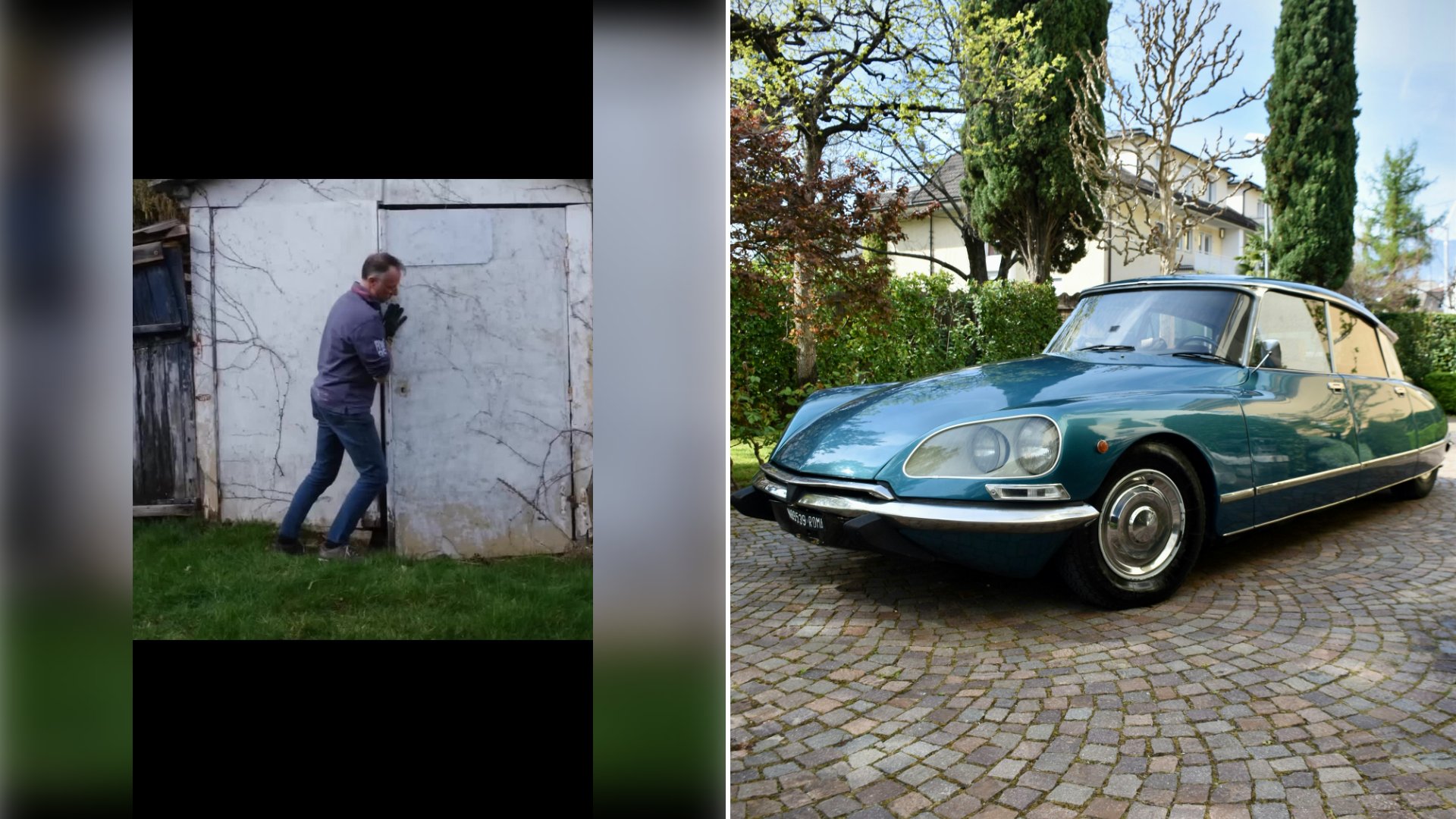
A video from the account Auto Master shows a man straining against a pair of weathered, vine-covered barn doors, with the caption laying out exactly what’s waiting behind them: “This 1971 DS21 Pallas had been stored in a Belgian barn since 2005.” Tagged #abandoned, #restoration, #fyp, and #viral, the video pulled in 20,000 likes, 489 comments, 1,360 saves, and 1,122 shares.
@automaster.dm This 1971 DS21 Pallas had been stored in a Belgian barn since 2005
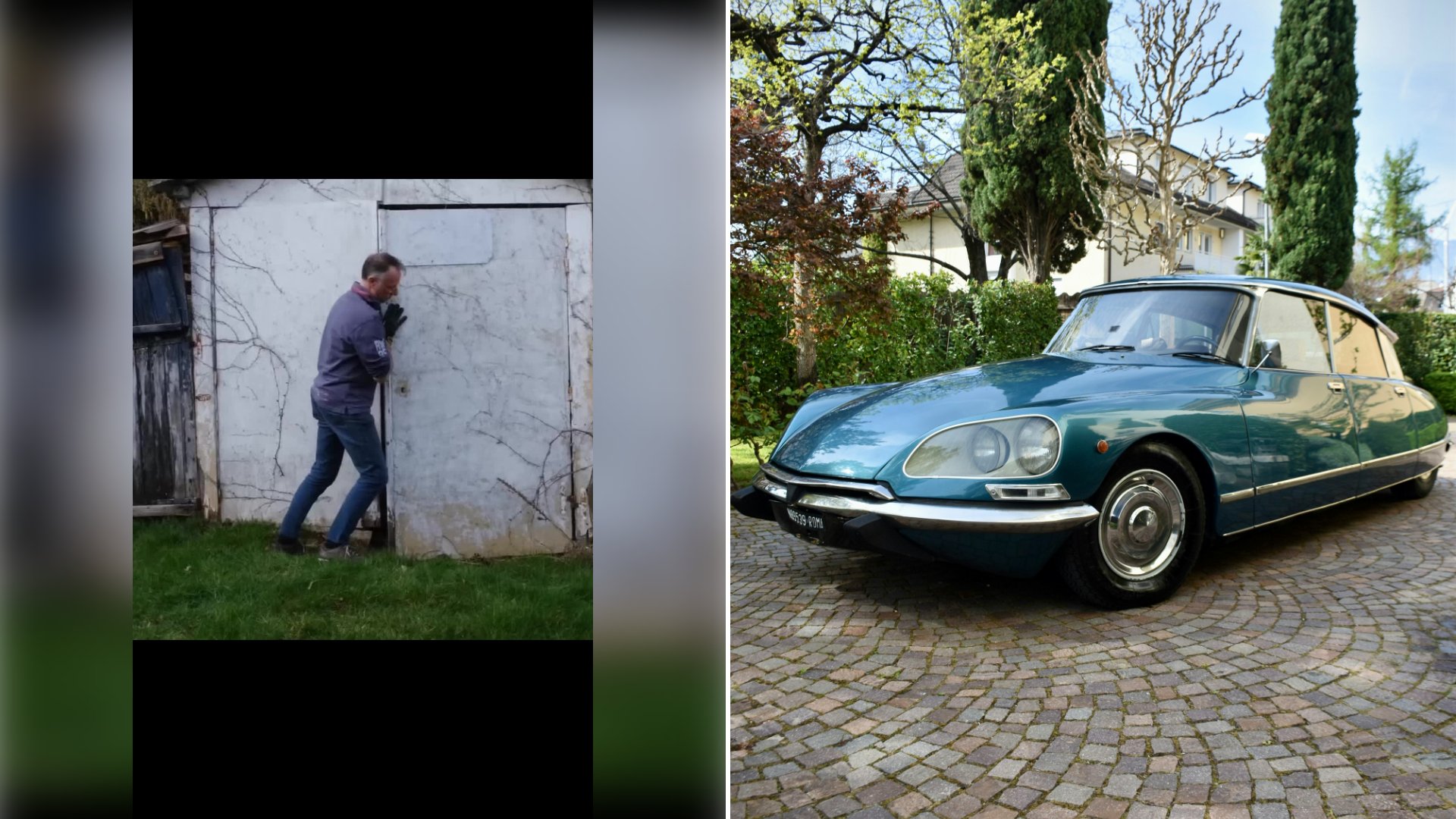
Two decades in a Belgian barn is a long sleep for any car, but the DS21 Pallas carries engineering that makes the wait especially consequential. Hagerty’s history of the Citroën DS line traces it back to its 1955 debut, designed by sculptor and industrial designer Flaminio Bertoni, with the Pallas trim added in 1964 as a more luxurious, better-insulated version featuring upgraded interior materials and chrome and stainless trim. The defining feature, though, is the hydropneumatic self-leveling suspension that gave the DS a ride quality Road & Track once called “unmatched,” paired with styling Hagerty describes as futuristic enough to stun onlookers when the car first appeared.
That same hydropneumatic system is exactly what makes a 20-year barn stay a real mechanical liability rather than just a dusty inconvenience. Hagerty’s own notes on a restored DS21 mention that a proper rebuild typically requires replacing the suspension spheres and overhauling the power steering system, since the hydraulic fluid and seals that keep the self-leveling suspension working don’t simply wait patiently through two decades of disuse the way a basic leaf-spring setup might. A system this specialized, one that was already considered complex and maintenance-intensive when new, needs real attention before anyone trusts it to hold the car level again.
The fuel sitting in that tank since 2005 is its own separate problem, and not a minor one. Sea Foam’s guidance on gasoline left in a car for over a decade calls it “far too degraded” to simply run through, since the fuel breaks down into a heavy varnish and gum that clogs filters and lines rather than reaching the combustion chambers, meaning the engine likely won’t fire at all on what’s currently in the tank. Their recommended fix starts with draining out as much of the old fuel as possible, then cycling fresh gasoline with a cleaning additive through the system by cranking the engine with the spark plugs removed until clean fuel reaches the plug holes, a process meant to flush out the fuel system before ever attempting a real start. For a car this mechanically unusual, getting both the hydraulics and the fuel system properly sorted first is what separates a dramatic barn-find reveal from an engine bay full of expensive surprises.
More from Steel Horse Rides
- Owner Says the Seats in a 1986 Toyota 4Runner Smell Exactly How You Would Imagine, Then Pulls Out the Carpet and Asks Followers to Pick the Color for the New Kit
- Mechanic Pulls a Snapped Crankshaft Apart in Two Pieces on the Shop Bench, Says the Car Drove In Like That and Jokes the Customer Only Wanted an Oil Change
- Narrator of a Repair Clip Says a Car That Shook Every Time the Owner Hit the Gas Had an Engine Mount Cracked Clean in Half, Then Explains Why the Impact Wrench Is Not the Last Step