

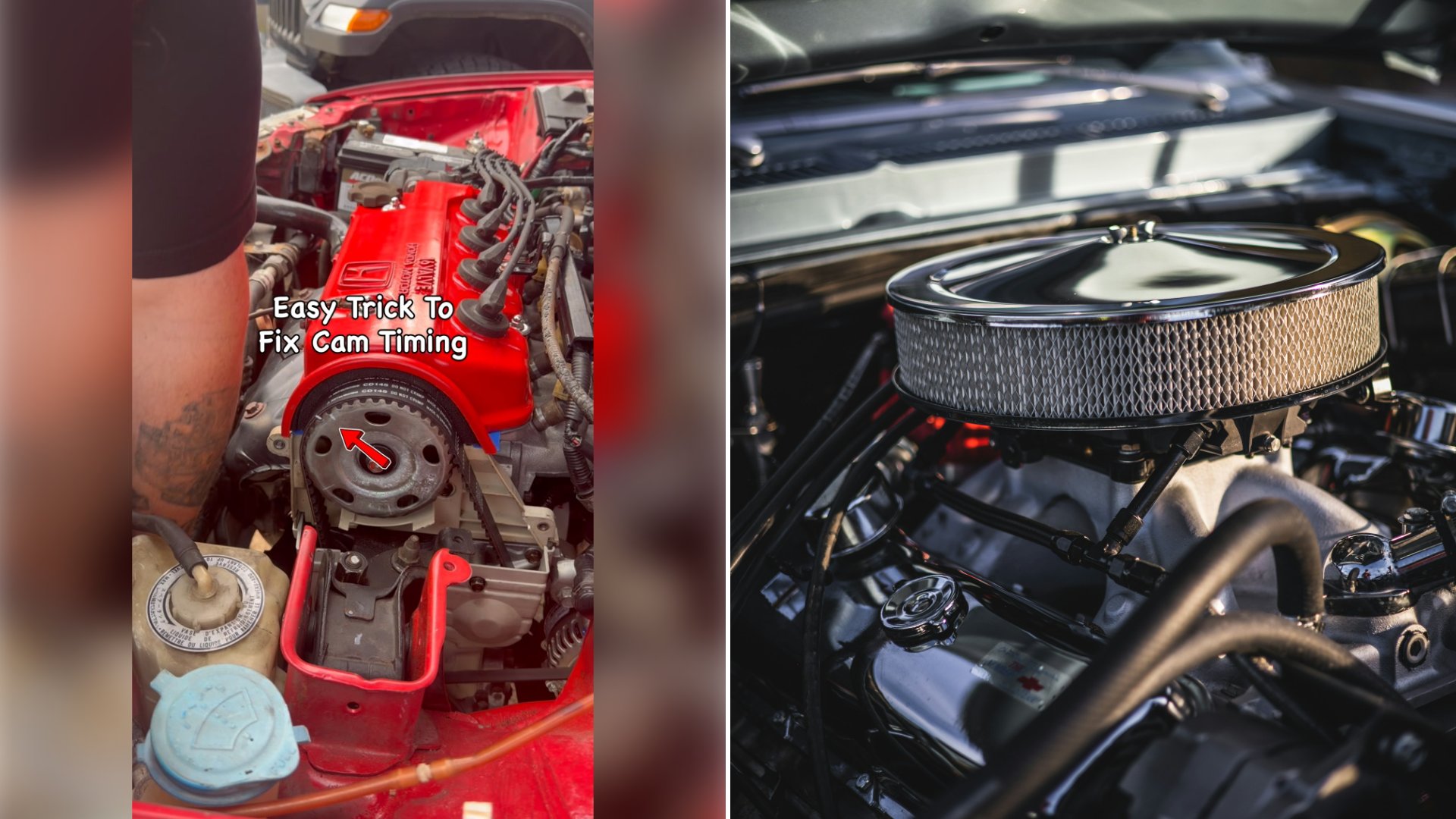
A video from the account full_steam_designs walks through a specific fix on a freshly rebuilt engine: “The cam timing was off by one tooth on this D16 engine I just rebuilt. Here’s a super easy way to fix it that doesn’t require pulling the front of the engine apart and only uses one basic tool that everyone should already have.” Tagged #mechanic, #tipsandtricks, and #autorepair, the video pulled in 213,000 likes, 2,089 comments, and 2,329 shares.
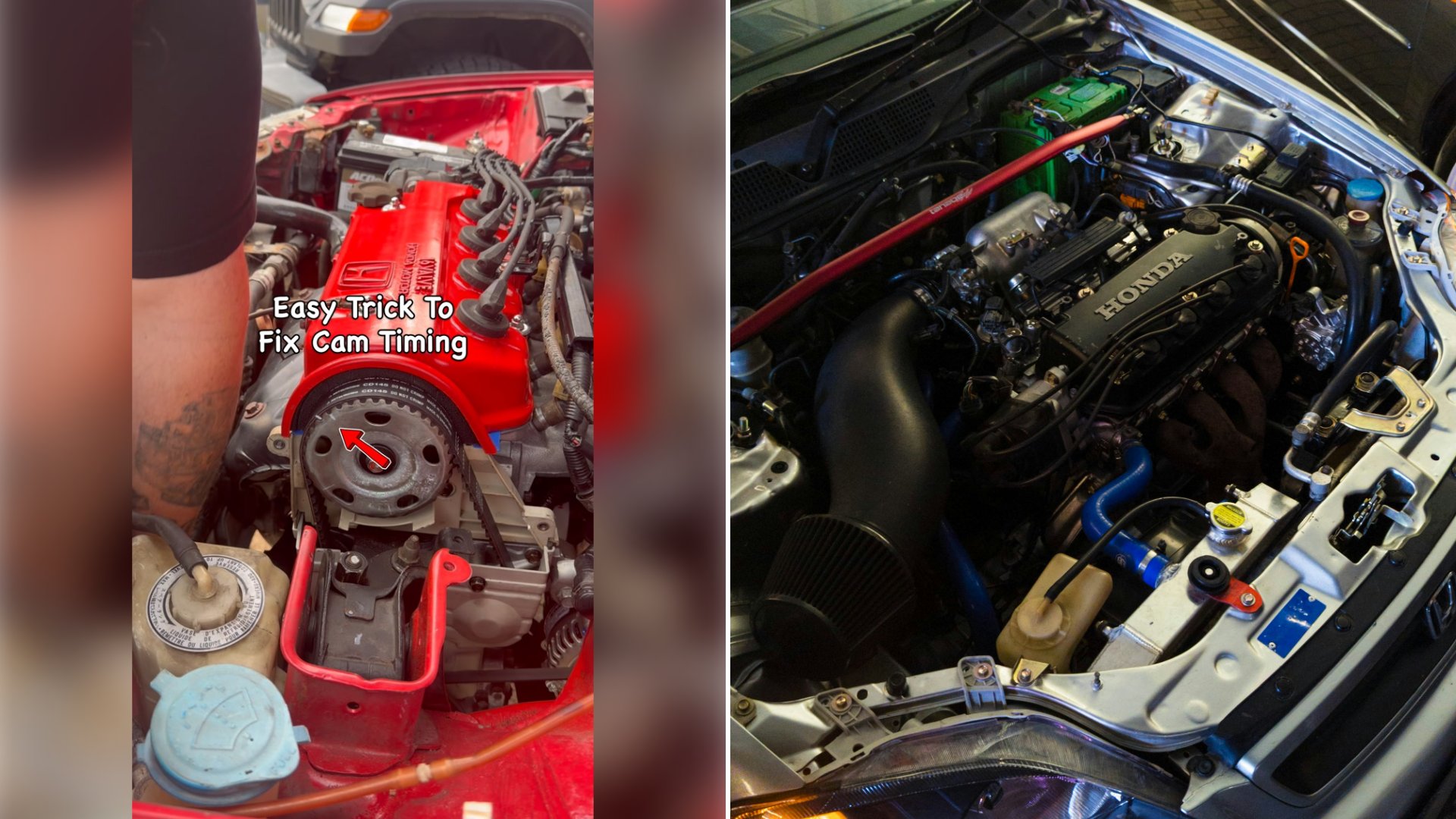
Being off by a single tooth sounds minor, but on an interference engine like Honda’s D16, it’s the kind of error that carries real consequences rather than just a rough-running annoyance. General timing belt diagnostic guidance for this type of fault lists reduced power, a rough idle, poor fuel economy, and check engine lights as the typical symptoms of a cam that’s shifted even one tooth from its reference mark, and on an interference design specifically, a timing error significant enough raises the risk of the pistons actually contacting the valves, a failure mode that turns a timing fix into a full valve and piston inspection. That’s exactly the stakes the creator is working against immediately after a rebuild, when getting the timing right the first time matters more than on an engine that’s already proven itself running correctly for years.
The standard, by-the-book way to correct a one-tooth timing error is genuinely as involved as the caption implies: removing the tensioner and belt entirely, resetting the crankshaft to its timing mark, aligning each camshaft to its own reference marks, then re-routing the belt in the correct sequence while keeping tension on the non-tensioner side before rotating the engine through at least two full revolutions to confirm everything holds. Diagnostic guidance for this exact scenario explicitly warns against two shortcuts some mechanics attempt instead: forcing the belt to jump a tooth by wedging a tool against a gear while turning the crank, which risks belt damage and an even worse timing error, and simply running the engine with the timing off to “see what happens,” which the same guidance bluntly calls gambling with bent valves or piston damage.
What makes a legitimate one-tool method worth sharing, rather than just another risky shortcut, is that it’s solving the same underlying problem, getting the cam back to its correct mark, without the wholesale teardown of removing the tensioner and belt from scratch. For a home mechanic or hobbyist who just finished a rebuild and caught a timing error during final checks rather than after the engine was already running, a method that corrects the fault without reopening the whole front of the engine saves real time, as long as it still ends with the cam and crank marks verified against each other rather than assumed correct. That verification step, checking the marks line up after the fix rather than trusting the method blindly, is what separates a legitimate time-saving technique from the exact shortcuts mechanics are warned against.
More from Steel Horse Rides
- Mechanic Pulls a Snapped Crankshaft Apart in Two Pieces on the Shop Bench, Says the Car Drove In Like That and Jokes the Customer Only Wanted an Oil Change
- Narrator of a Repair Clip Says a Car That Shook Every Time the Owner Hit the Gas Had an Engine Mount Cracked Clean in Half, Then Explains Why the Impact Wrench Is Not the Last Step
- Owner Says the Seats in a 1986 Toyota 4Runner Smell Exactly How You Would Imagine, Then Pulls Out the Carpet and Asks Followers to Pick the Color for the New Kit