

The sun is out, the chrome is gleaming, and a row of proud owners is sitting in folding chairs beside cars they have spent years and plenty of weekends on. A car show is one of the best things about car culture. It is also, sadly, a place where a few people have figured out how to make a quick dollar off the goodwill of everyone else.
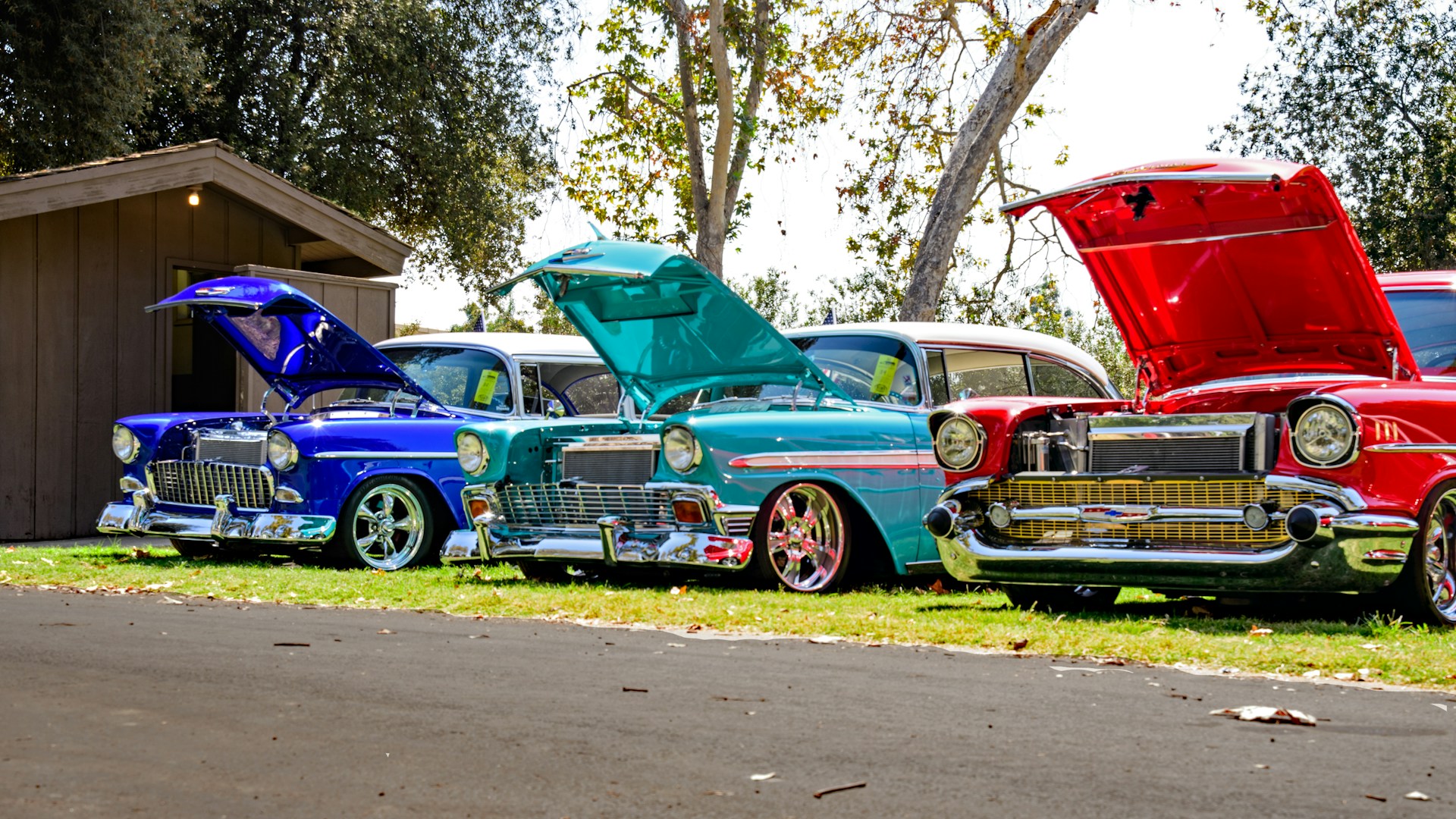
Whether you are showing a car or just walking the rows, here are the rip-offs and the manners worth knowing about before you head out on trophy day.
Pay To Play Entries
Let’s be fair first. Plenty of shows charge an entry fee, and many of them use the money for a good cause, such as a local charity, a fire department or a youth program. A fee alone is not a red flag. Organizers have real costs for permits, insurance, space and awards.
The trouble starts when the fee is the only thing that matters. Watch for shows where the rules are vague, where awards seem to go to nearly everyone who paid, or where “special” classes and add-on fees keep popping up on the day. Be cautious of events that advertise big prizes or big crowds with nothing to back it up, or organizers who will not tell you where the money goes.
Before you pay, ask a few plain questions. What exactly does the entry cover? How are the classes decided? Who judges, and what are they judging on? Is the show a registered event with a published set of rules? Is there a refund if the show is rained out? A well-run show can answer these without getting annoyed. If you get dodging or irritation, take the hint and keep your money.
Fake Rare Claims
Every car walker has seen the sign propped on a windshield that says “one of very few built” or “extremely rare.” Sometimes it is true. Sometimes it is wishful thinking, and sometimes it is a sales pitch. In a hobby where a car’s story can change its value, claims need to be backed up by something more than a sign.
If you are considering buying, or you are simply curious, ask for documentation. Good evidence can include the original window sticker, a factory build sheet or invoice, a title that matches the car, past registrations, restoration photos and receipts. A car that is a tribute or clone of something special is not a bad car, and many are beautifully built, but it should be described as exactly that. If an owner gets defensive when you politely ask how they know a car is what they say it is, that tells you something.
If you are the owner, the same rule works in your favor. A tidy folder of paperwork beside your car makes you look like the real deal, and it saves you from answering the same question over and over.
One more tip for buyers: never let the excitement of a show hurry a purchase. A car parked with a for-sale sign has usually not been inspected by anyone neutral. If you like it, get the owner’s contact details, ask to see the paperwork, and arrange a proper inspection on a different day. A real car and an honest seller will survive a little patience.
Keep Your Hands Off
This is the rule every car lover learns, and it is the one beginners most often break: do not touch somebody else’s car. Not the paint, not the hood, not the door handle, and not the steering wheel through an open window. Fingerprints, rings, belt buckles, zippers and jewelry can mark a finish that took hours to polish. Some owners have spent years and a lot of money on that paint.
A few easy manners go a long way:
- Ask first. Most owners are thrilled to open a hood or a door for someone who asks politely.
- Do not lean on a car, set a drink or a bag on it, or let kids climb on or touch it.
- Watch the backpacks, strollers and camera straps as you move through tight spaces between cars.
- Keep an eye on pets and children, and keep ice cream far from the paintwork.
- Say thank you. A kind word about the car is the best payment an owner can get.
Judging And Trophies
If you are entering a judged show, ask how points are given and whether the judges are looking for originality, quality of restoration or overall condition. Different shows value different things, and that matters when you decide what to enter and where. Trophies are nice, but they are not the point. The best part is the stories and the people you meet.
If something feels off, such as an award that does not match the rules you were given, ask the organizers calmly and in private. Raising a stink at the awards stand rarely helps anyone, and it may spoil a day that other people worked hard on.
Car shows survive because of honest owners, fair organizers and respectful visitors. Ask for the paperwork, read the rules, keep your hands to yourself and enjoy the shine. The hobby is better when everyone plays it straight.
More Stories You May Like
- Business Owner Skips the Most Expensive New Truck and Buys a Used 2021 Nissan Titan Instead, Explaining Why It Is the Smarter Move for Tax Write Offs and Bank Financing
- Five Things Your Car Salesman Should Never Know About You Before the Negotiation Even Starts
- True Barn Find 1967 Corvette L71 427 Is Found in Georgia with Only Three Thousand Miles on It