

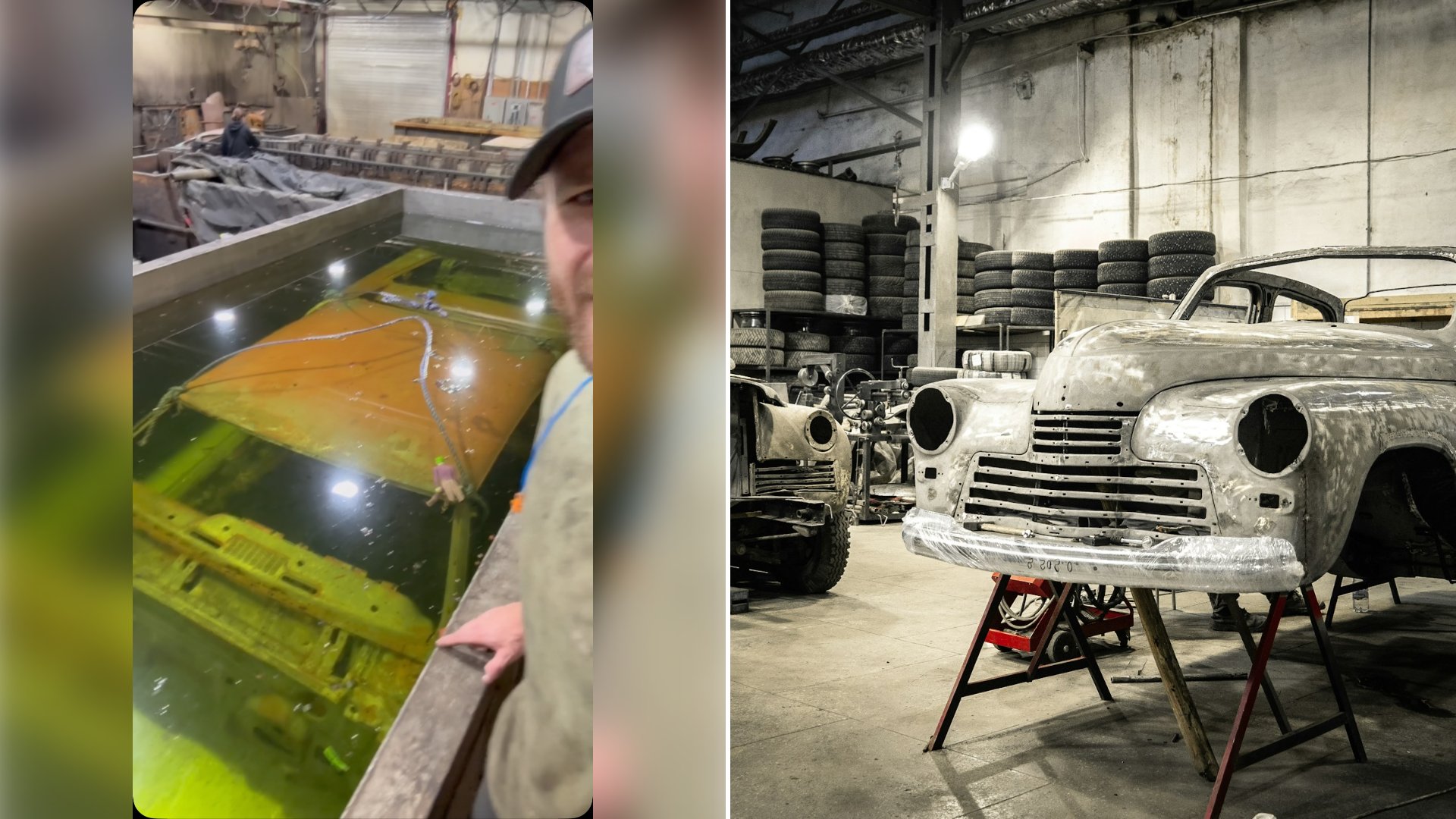
A video from the verified account minute_of_dangle captures a process most car owners never see in person: “Pulling the GTO out of the rust removing acid bath, neutralizing and pressure washing the rust off, all in the same video for you all.” Tagged #satisfying, #clean, #restoration, #gto, and #cars, the video pulled in 142,000 likes, 1,717 comments, and 1,598 shares.
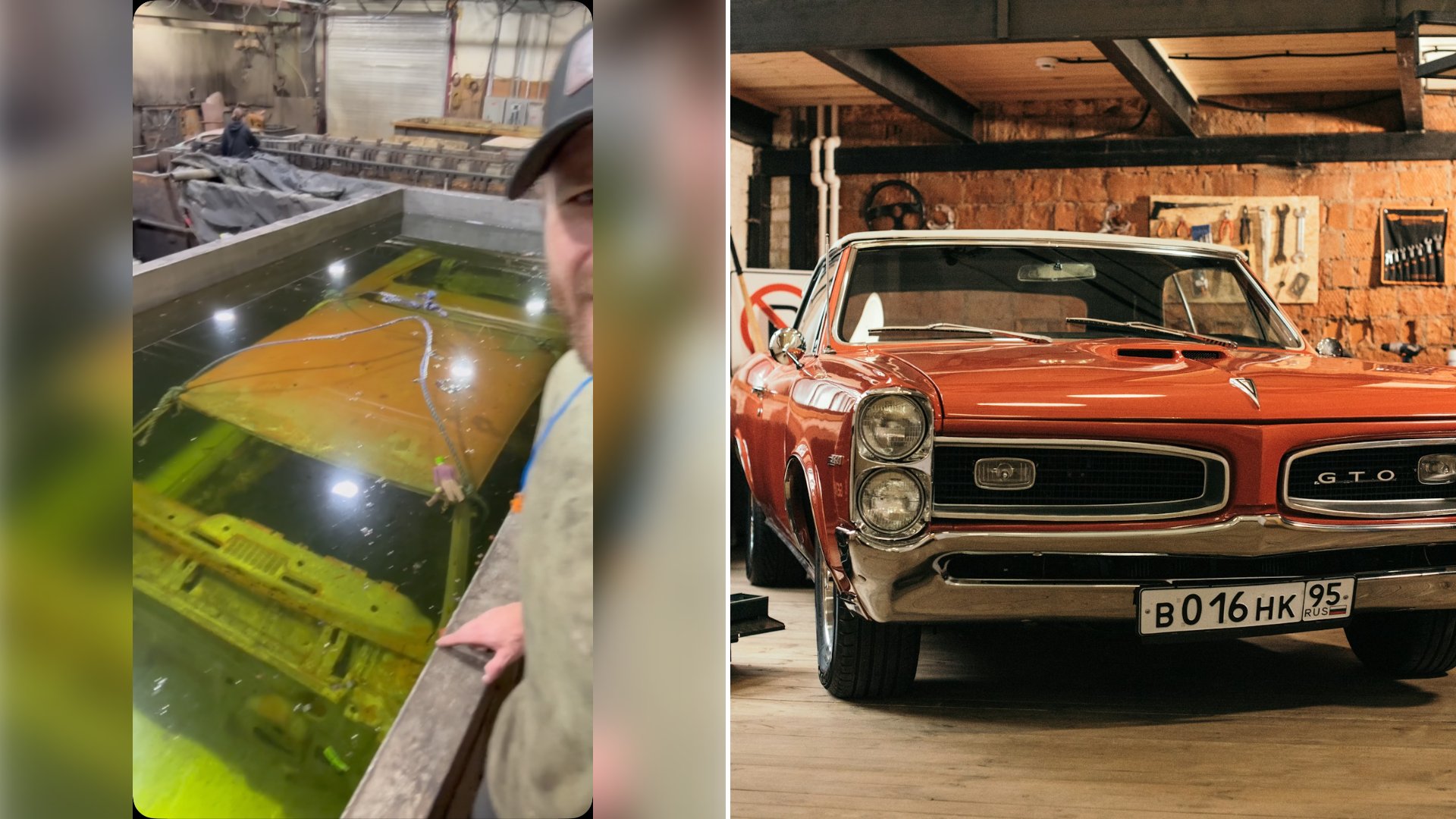
What looks like one dramatic acid bath is actually the tail end of a multi-stage industrial process, according to Alliance Chemical’s breakdown of how professional body dipping works. Before any acid touches the shell, most shops run the body through a hot caustic strip first, sodium hydroxide heated to around 200 degrees for roughly two days, which breaks down the organic binders in old paint, primer, and body filler so the coatings lift off in sheets rather than needing to be sanded. Only after that does the body move into the acid stage this video shows, typically a 30 percent phosphoric acid soak run for 12 to 24 hours, which converts the iron oxide that makes up rust into iron phosphate, a layer that bonds well with primer rather than just stripping bare metal and leaving it exposed.
The neutralizing step the caption specifically calls out isn’t a formality, it’s the difference between a usable body and one that rusts right back before the owner can prime it. Alliance Chemical’s guide explains that bare steel pulled straight from an acid bath starts flash-rusting within minutes of exposure to air, so shops typically run the body through a dilute oxalic acid rinse that binds any remaining iron into a soluble compound and passivates the surface, buying enough time to dry the shell completely and get primer on it, ideally within 24 hours, before rust has a chance to return. The guide also flags a hazard worth knowing even for home builders following along: the spent caustic bath and the spent acid bath should never be combined, since mixing the two triggers a violent chemical reaction.
That same caustic-then-acid-then-neutralize sequence is also why this isn’t a process most hobbyists set up in their own driveway. Massachusetts’ state guidance on hazardous waste in auto shops notes that a waste solution with a pH below 2 or above 12.5, exactly the range both the caustic strip and the acid de-rust tanks fall into before neutralization, is legally classified as hazardous waste regardless of what it’s made from, which means proper disposal, not a garden hose and a storm drain, is part of what a shop is paying for when it sends a body out for dipping. For a GTO this far gone in rust, that’s the tradeoff: a process dramatic enough to be genuinely satisfying to watch, built on chemistry serious enough that it has to be handled by people who know exactly what they’re doing.
More from Steel Horse Rides
- Owner Says the Seats in a 1986 Toyota 4Runner Smell Exactly How You Would Imagine, Then Pulls Out the Carpet and Asks Followers to Pick the Color for the New Kit
- Mechanic Pulls a Snapped Crankshaft Apart in Two Pieces on the Shop Bench, Says the Car Drove In Like That and Jokes the Customer Only Wanted an Oil Change
- Narrator of a Repair Clip Says a Car That Shook Every Time the Owner Hit the Gas Had an Engine Mount Cracked Clean in Half, Then Explains Why the Impact Wrench Is Not the Last Step