

Backing out of a parking spot is one of the few moments when almost every driver trusts a screen more than their own neck. That is exactly why a new Rivian recall deserves a close look. The company is recalling 98,828 vehicles because a notification may block the rearview camera image while the vehicle is in reverse. In plain words, the one picture you are counting on can get covered up right when you need it.
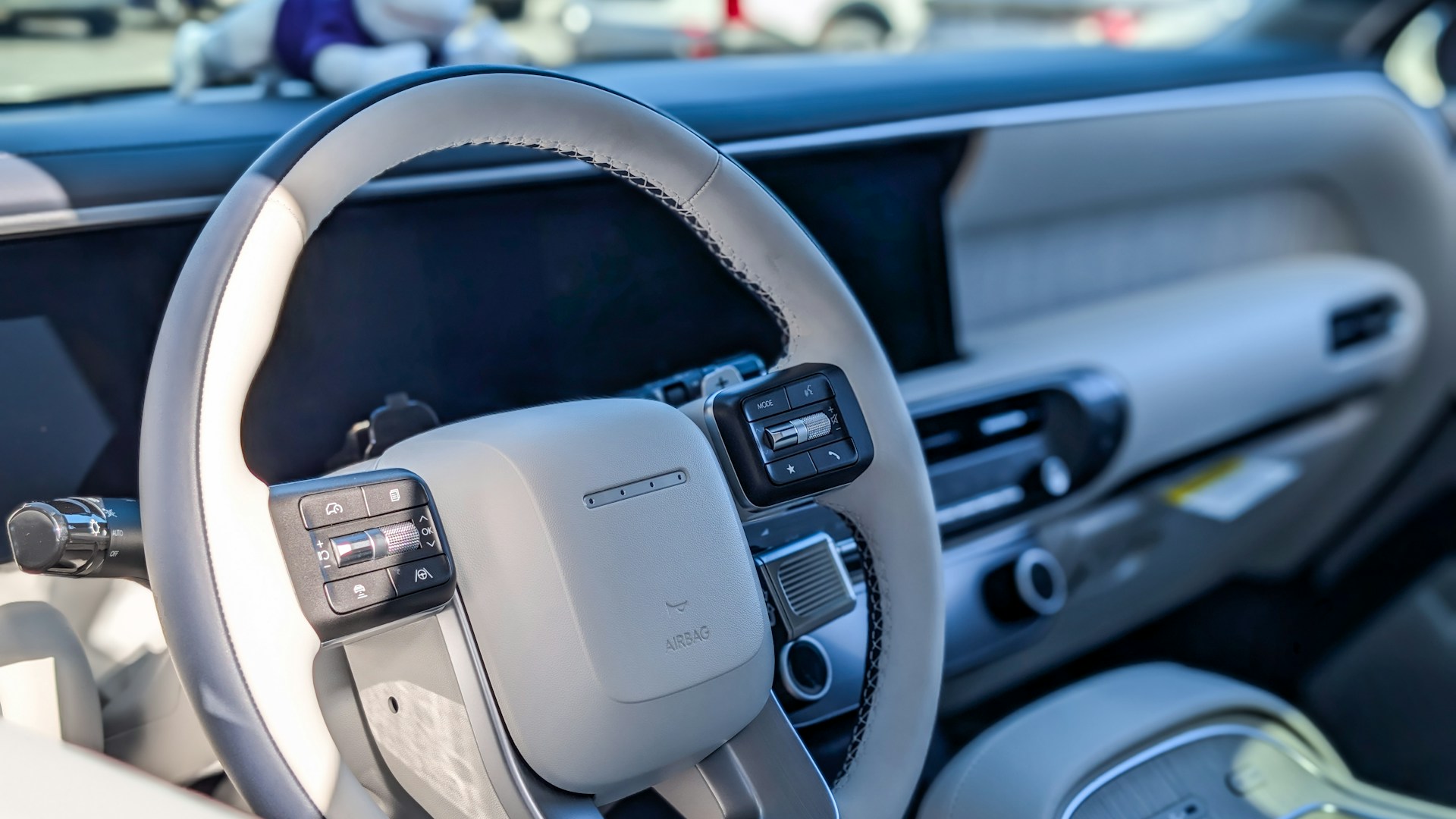
The recall is listed in the October 2026 recall roundup from Work Truck Online, dated October 5, 2026, which draws on data from the National Highway Traffic Safety Administration, better known as NHTSA. It covers the Rivian R1S from the 2022 through 2027 model years, the R1T from 2022 through 2026, and the 2027 R2.
That is a wide span of model years, and it adds up to a big number. If you own one of these electric trucks or SUVs, or you are thinking about buying one used, this is worth five minutes of your day.
What Exactly Is Going Wrong
According to the roundup, a notification may block the rearview camera image when the vehicle is in reverse. The trouble is that something else on the display can land on top of the picture at the wrong moment, covering the view of what is behind the vehicle.
Anyone who has had a text message banner jump over a map on a phone knows how annoying that is. On a phone, you miss your turn. Behind a vehicle, the stakes are higher, because the camera view is there to show you what is back there before you move. A blocked image means you are backing up with less information than you thought you had.
The Fix Is Free And Comes Through The Air
Here is the good news. The remedy is a free over-the-air software update. That means no appointment, no loaner car and no afternoon spent in a waiting room with stale coffee. The update arrives wirelessly, the same way many modern vehicles get their improvements, and the roundup reports that Rivian has already released it.
Owner letters are expected on November 9, 2026. Do not sit around waiting on the mail, though. Letters are the official notice, but the software update does not have to wait for the postman, and owners who keep their vehicles connected can receive the repair on their own schedule.
What Owners Should Do Now
If you drive one of the affected models, a few simple steps will cover you.
- Connect the vehicle to a trusted Wi-Fi network if it is not already, so software updates can come through.
- Look in the vehicle settings for any pending update and install it when it is safe to do so.
- Check your vehicle identification number, the VIN, at nhtsa.gov/recalls. That site will tell you whether a specific vehicle has an open recall.
- Keep the letter when it arrives. It is good to have a paper record for your files, especially if you ever sell.
Checking the VIN matters because not every vehicle in a model line is always included in a recall. You want a yes or no for your own vehicle, not a guess based on the model name. If the result shows an open recall, follow the instructions on the page or call the manufacturer to confirm the update has been installed.
Why A Backup Camera Matters So Much
Rearview cameras are not a luxury feature anymore. Federal rules have required rear visibility technology on new light vehicles since May 2018, and plenty of drivers now back up almost entirely by looking at the screen. That habit is understandable. The camera shows a wide view, it is right in front of you, and it works in the dark.
But a camera is a tool, not a guarantee. This recall is a handy reminder to keep a few old-fashioned habits alive.
- Turn your head and look. A quick glance over your shoulder takes one second.
- Use your mirrors along with the screen, not instead of it.
- Roll back slowly. Walking speed is plenty when you cannot be sure what is behind you.
- If the screen ever goes blank or something covers the picture, stop, put the vehicle in park, and sort it out before you keep going.
Children, pets, shopping carts, bicycles and low posts are all easy to miss. The best protection is a driver who treats the camera as a helper and never as the only set of eyes.
A Software Recall Is Still A Recall
Some folks hear the word recall and picture a vehicle parked for weeks while parts are on back order. A software recall like this one is a different animal. When the fix is delivered over the air, it can reach a large number of vehicles quickly, without owners having to drive anywhere.
It also tells us something about how cars are changing. A growing share of what used to be mechanical is now code, and code can have bugs. When the bug is found, the repair can be a download. That is a real convenience, but it only works when owners actually install the update, so do not ignore that little prompt on the screen.
For shoppers considering a used electric truck or SUV from this lineup, the recall is also a good reason to ask the seller a simple question. Has the software update been installed? A quick look at the vehicle settings or a lookup of the VIN on the NHTSA site gives you the answer in minutes and costs nothing.
The Bottom Line
Rivian is recalling 98,828 R1S, R1T and R2 vehicles because a notification may block the rearview camera image in reverse. The repair is free, it comes by software update, and the roundup says it has already been released. Letters to owners are due around November 9, 2026.
If you own one, check for the update this week and confirm your VIN on the NHTSA site. And whatever you drive, keep turning your head when you back up. The oldest safety feature on the road is still a pair of eyes that is looking in the right direction.
More Stories You May Like
- Detailer Breaks Down the Exact Order the Pros Use to Wash a Car on a BMW M4 and Says You Should Always Start With the Wheels First Every Time
- Business Owner Skips the Most Expensive New Truck and Buys a Used 2021 Nissan Titan Instead, Explaining Why It Is the Smarter Move for Tax Write Offs and Bank Financing
- Mechanic’s Dad Crunched Two Years Of Repair Orders And Names The Five Most Expensive Vehicles To Fix Led By Jaguar At More Than Fifteen Hundred Dollars A Visit