

Seven years ago a blue 1968 Dodge Charger R/T with a Hemi under the hood sold for $113,400. Five years later it sold again for $214,500. Now it is going back on the block, and this time the seller is not holding anything in reserve.
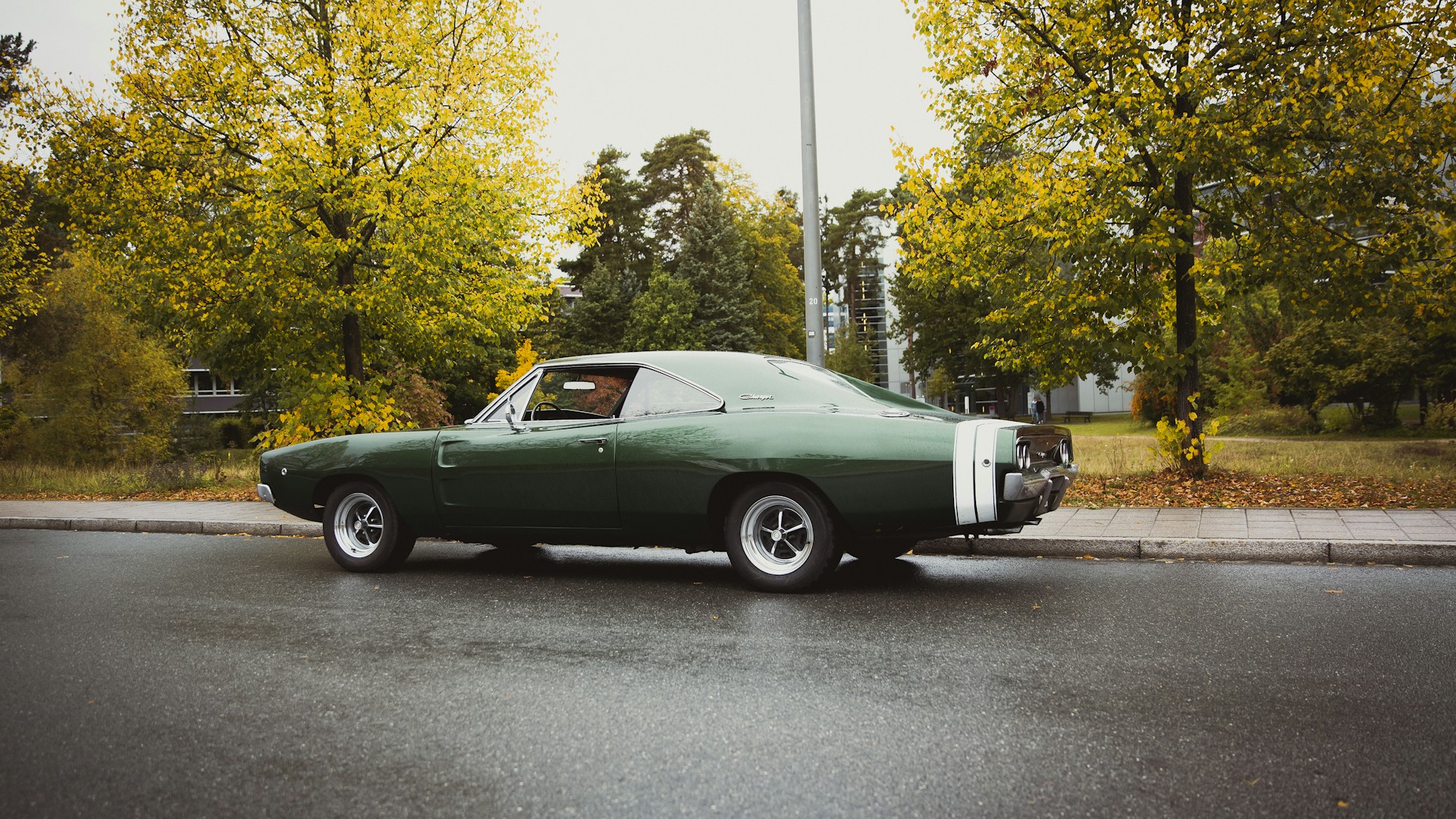
The car is among the lots scheduled for Mecum’s Kissimmee 2027 auction in January, according to Autoevolution. The sale has not happened yet, so the final price is still ahead.
Selling At No Reserve Is Rare For A Hemi Mopar
The big news is the format. This Charger will sell at no reserve, which is quite rare for Hemi Mopars. They usually hit the block with reserve prices, which act as a safety net for the sellers.
No reserve means the car sells to the highest bidder, whatever that bid turns out to be. For a car like this, it also tends to bring out more bidders, because everyone knows the car is really going to change hands.
Its Sales History Reads Like A Stock Chart
Internet records show this particular Charger sold in 2018 for $113,400. In March 2023 it crossed the block at Glendale for $214,500. That is a jump of roughly $100,000 in about five years.
All told, the report says it is already among the most expensive units ever sold at public auction. The 10 most expensive 1968 Hemi Chargers ever auctioned fetched between $123,750 and $302,500. The record holder is a Burgundy Metallic unit that went under the hammer in 2026.
Even so, the expectation is that this Charger should change hands for a six-figure sum. The question the writer left readers with is simple: how much do you think it will go for this time around?
One Of 211 Four-Speed Hemi R/Ts Built In 1968
The Charger arrived in January 1966 and was the first Mopar to get the street-spec version of the 426-cubic-inch (7.0-liter) Hemi V8. The 425-horsepower engine stayed on the options list through 1971.
It was not a big seller at first. The original upscale fastback moved about 37,344 units in 1966 and only 15,788 in 1967. In 1968 the Charger returned as a more conventional muscle car, and sales exceeded 96,000.
Sales stayed strong in 1969 and reached nearly 50,000 units in 1970. That was a poor year for muscle cars, so the number is high. Dodge also moved over 45,000 Chargers in 1971, when performance cars were struggling to find homes.
Only 0.5% Of Chargers Ever Got The Hemi
Between 1966 and 1971, Dodge sold over 300,000 Chargers. Records show that only 1,487 of them got the 426 Hemi, which comes to a minuscule 0.5% of total production. Unsurprisingly, these cars are very desirable.
The 1968 version is the most common of the Hemi years, with 475 examples. This car is one of them. Because it was ordered with a four-speed manual, though, it is one of only 211 built that way. The other 264 had the three-speed TorqueFlite automatic.
Blue On Blue, And Still Highly Original
The Charger is blue on blue and looks near perfect inside and out, which suggests it may have been restored in recent years. Even so, it is still highly original in terms of sheet metal and drivetrain components.
It carries the correct dual-quad Carter carburetor setup and a Dana 60 rear end with 3.54 gears. Those correct parts are exactly what serious buyers check first.
Why Dual Quads And A Dana 60 Matter To Mopar Fans
Those two details deserve a second look. The Hemi’s famous dual-quad setup, two four-barrel carburetors sitting on top of the engine, is part of what gives the car its look and its sound. Having the correct Carter carburetors tells a buyer the car has not been swapped over to something cheaper.
The Dana 60 rear end is the heavy-duty axle that goes with all that horsepower. A 3.54 gear ratio is the kind of spec that appears on the car’s documentation, and enthusiasts love to confirm it matches. In a market where a single wrong part can shave thousands off a price, correct components are worth real money.
Add the blue-on-blue color scheme and the near-perfect condition, and you can see why a car that already sold well in 2023 draws fresh attention. A car that gets better with every sale is a car people like to watch.
How To Think About A Car Whose Price Keeps Climbing
Even if a Hemi Charger is out of your budget, this car offers a free education in how the collector market works.
- Track a car’s sales history. Two sales five years apart show how fast values can move, up or down.
- Compare against the top 10. Knowing the range of $123,750 to $302,500 helps you judge whether a result is ordinary or a headline.
- Value the combination. A Hemi with a four-speed in 1968 is a smaller group than Hemi cars in general, and that shows in the price.
- Remember how reserves work. With no reserve, the result can surprise on either side.
Come January, a lot of eyes will be on that blue Charger. Whatever it brings, it will be a good test of how hot the Hemi market still is.
More Stories You May Like
- 10 Mistakes Drivers Make At The Gas Pump, Including Habits Safety Experts Say Can Spark Static Fires
- 10 Vehicles That Lose Value Fastest In The First Five Years According To iSeeCars, And Why Buying Used Can Save Thousands
- 9 Routine Car Maintenance Services Experts Say Many Drivers Can Skip, And The Owner’s Manual Check That Can Save Real Money