

Plymouth had to build 1,935 Superbirds, and it struggled to sell them. Today an unrestored 1970 example just changed hands for $368,500.
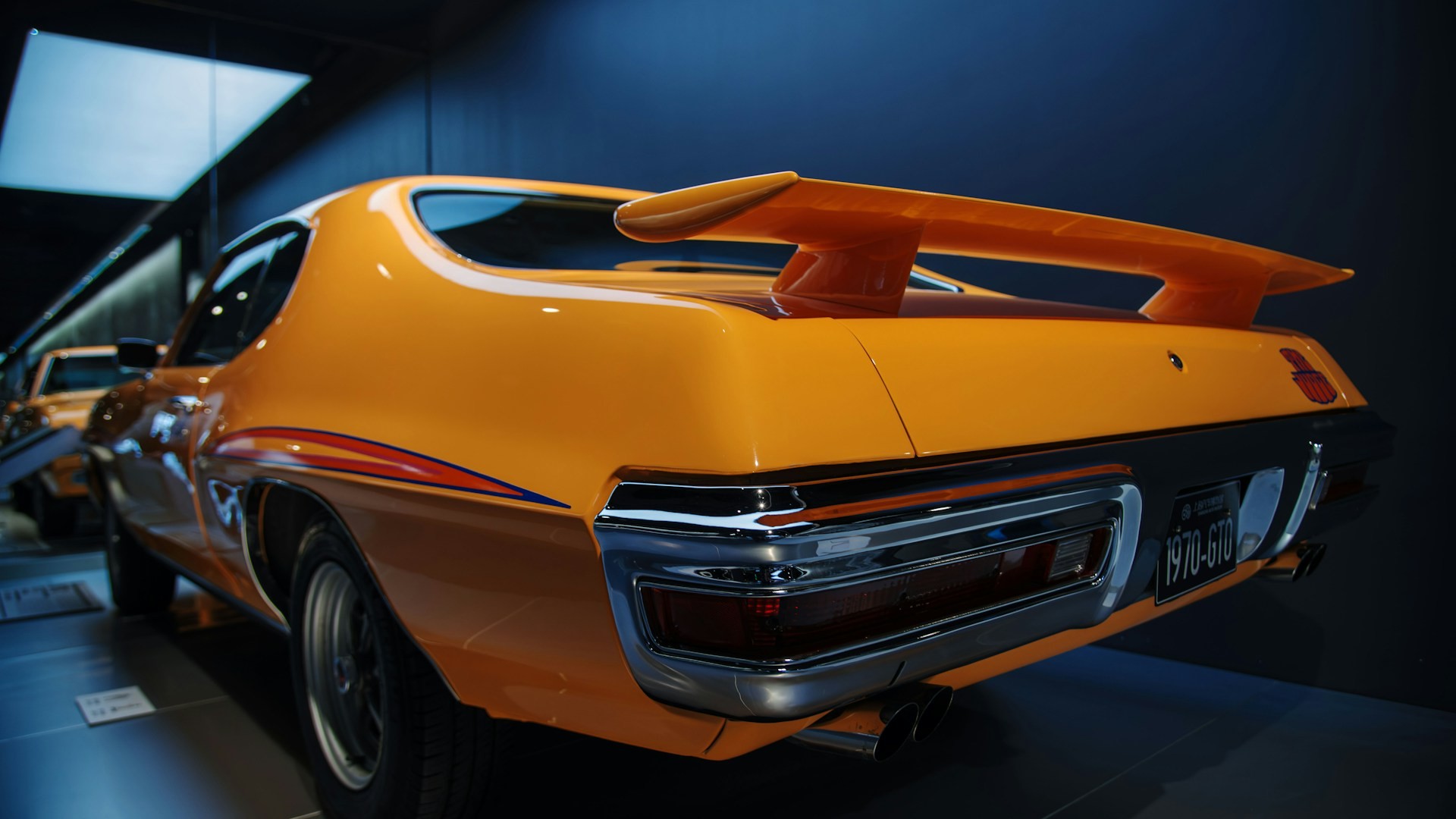
The red winged car, finished in TorRed, rolled across the block at Mecum’s Dallas/Fort Worth auction with its original paint and a numbers-matching 440 Six-Barrel under the hood.
Report: autoevolution
NASCAR Changed The Rules, And Plymouth Got Stuck With The Bill
The story starts with the 1969 Dodge Charger Daytona, the car with the long nose cone and the giant rear wing. Dodge built it because the regular Charger and the Charger 500 did poorly on NASCAR ovals.
NASCAR required at least 500 cars for public sale. Dodge built 503, and they sold like hotcakes.
Then NASCAR changed the rule for 1970. The sanctioning body now wanted one car for every two manufacturer dealers in the country, which meant Plymouth had to build at least 1,920 Superbirds.
Winged Warriors Sat On Dealer Lots
Plymouth built 1,935 of them and had a hard time moving the cars. Some unsold Superbirds sat on dealer lots, and some were converted into regular Road Runners.
That makes the car’s modern price tag feel almost unreal. A model that once gathered dust is now one of the prizes of any Mopar auction.
The Superbird is also more common than the Daytona on today’s classic market, which keeps it a bit more affordable, at least in non-Hemi form.
Only 308 Came With This Engine And This Gearbox
Of the 1,935 Superbirds, 135 had the 426 Hemi and 716 had the optional six-barrel 440. The rest got the standard four-barrel 440.
The six-barrel engine was rated at 390 horsepower, 15 more than the four-barrel version. The V in the car’s VIN confirms it carries the original Six-Barrel.
Pair that engine with a four-speed manual, as this car has, and total production drops to 308 examples. That is the number that moves a Superbird from famous to special.
The Price Put It In Elite Company
At $368,500 with the buyer’s premium, this car is among the five most expensive V-code Superbirds ever sold at public auction. It is one of only four to bring more than $350,000.
The all-time record is $550,000, paid in 2023 for a numbers-matching, low-mileage survivor in Lemon Twist paint. That same year a restored automatic Superbird sold for $401,500.
The third most expensive V-code example, a highly optioned car, sold for $375,000 earlier in 2026.
Unrestored, all-original examples are rare, and they usually sell for six figures. Many of them pass $250,000.
Even The Wing Has A Wild Backstory
The rear wing on these cars sits up high on tall struts, well above the trunk lid. The idea was to catch cleaner air for stability at very high speeds on a NASCAR oval.
The Superbird later proved it could run. A 1970 Superbird that set an SCTA land speed record of 211 mph at the Bonneville Salt Flats in 1972 is now lined up for Mecum’s Kissimmee 2027 auction.
That record car shows the machine was not just a sticker and a wing. It was built to go fast, and the people who owned them found out why.
Why Buyers Love The Six-Barrel Version
The Hemi gets the headlines, and only 135 Superbirds were built with one. That scarcity makes them far too costly for most of us.
The six-barrel 440 is the next rung down the ladder. It makes strong power, it is far easier to live with, and it still carries a V in the VIN that collectors understand.
The Gem Was Not The Top Seller Of The Weekend
A triple-black 1971 Plymouth ‘Cuda with a Six-Barrel sold for $385,000 at the same auction, which made it the priciest factory-stock classic there. The Superbird came in just behind it.
Together those two sales show where the real money sits in the Mopar world. Rare engine, rare body, original paint, and a story that makes people lean in.
What To Know Before You Chase A Winged Car
First, remember that unrestored does not mean unrepaired. Ask whether the paint is original, whether the panels were ever off the car, and whether any welding was done in the rear window area or the nose.
Look at the nose cone and the wing hardware carefully. Replacement pieces and reproductions exist, and a mismatch there can change the value in a hurry.
Verify the VIN, the fender tag and the engine stampings against each other. The engine letter in the VIN has to match what is under the hood.
Get the paperwork in order too. Original build records, owner history, and any magazine or club documentation help support the story of a car that sold for this much.
Finally, insure it properly. A car in this price range needs an agreed-value classic policy, a garage that stays dry, and a plan for storing it through the winter.
If you cannot afford a Superbird, take a lesson from its history. The cars people ignored on lots fifty years ago are often the ones that become the headline sellers, so pay attention to what the crowd is passing over today.
More Stories You May Like
- Father And Son Coachbuilders In Alexandria Minnesota Built Their Own Flat 8 Engine After Asking Whether One Could Fit In A 911
- Texas Man Kept His Granddad’s Old Farm Gas Pumps For More Than 30 Years Before Learning Pumps Like Them Now Sell For Hundreds Of Dollars
- Ignoring That Brake Squeal Or Grinding Noise Is How A Cheap Brake Job Turns Into A Pricey Repair, So Here Is Why Fixing It Early Saves You Money